Vermiculite Hydroponic Medium | Best Hydroponics
Vermiculite is a versatile and popular hydroponic medium, prized for its unique properties and benefits in soilless cultivation. Produced through an exfoliation process, vermiculite offers excellent water retention, good aeration, and a high cation exchange capacity. These characteristics make it ideal for various hydroponic systems, including NFT, DWC, and vertical setups. Vermiculite excels in seed starting, propagation, and as a component in custom growing media.
While it presents numerous advantages such as pH neutrality, sterility, and reusability, growers should be aware of potential drawbacks like waterlogging and gradual breakdown over time. Modern vermiculite is safe from historical asbestos concerns when sourced from reputable suppliers. Its cost-effectiveness and sustainability profile contribute to its continued popularity in hydroponics. As the industry evolves, vermiculite is likely to maintain its importance, with ongoing innovations focusing on enhancing its properties and integration with smart hydroponic technologies.
#1 Recommended Hydroponic Smart Kit | #2 Recommended Hydroponic Smart Kit |
 |  |
Vermiculite as a Hydroponic Medium: Benefits, Applications, and Considerations
Vermiculite has long been a staple in the world of hydroponics, offering growers a versatile and effective medium for soilless cultivation. As we delve into the realm of vermiculite in hydroponic systems, we’ll explore its properties, benefits, and potential drawbacks, providing an up-to-date overview of this popular growing medium.
Origins and Production
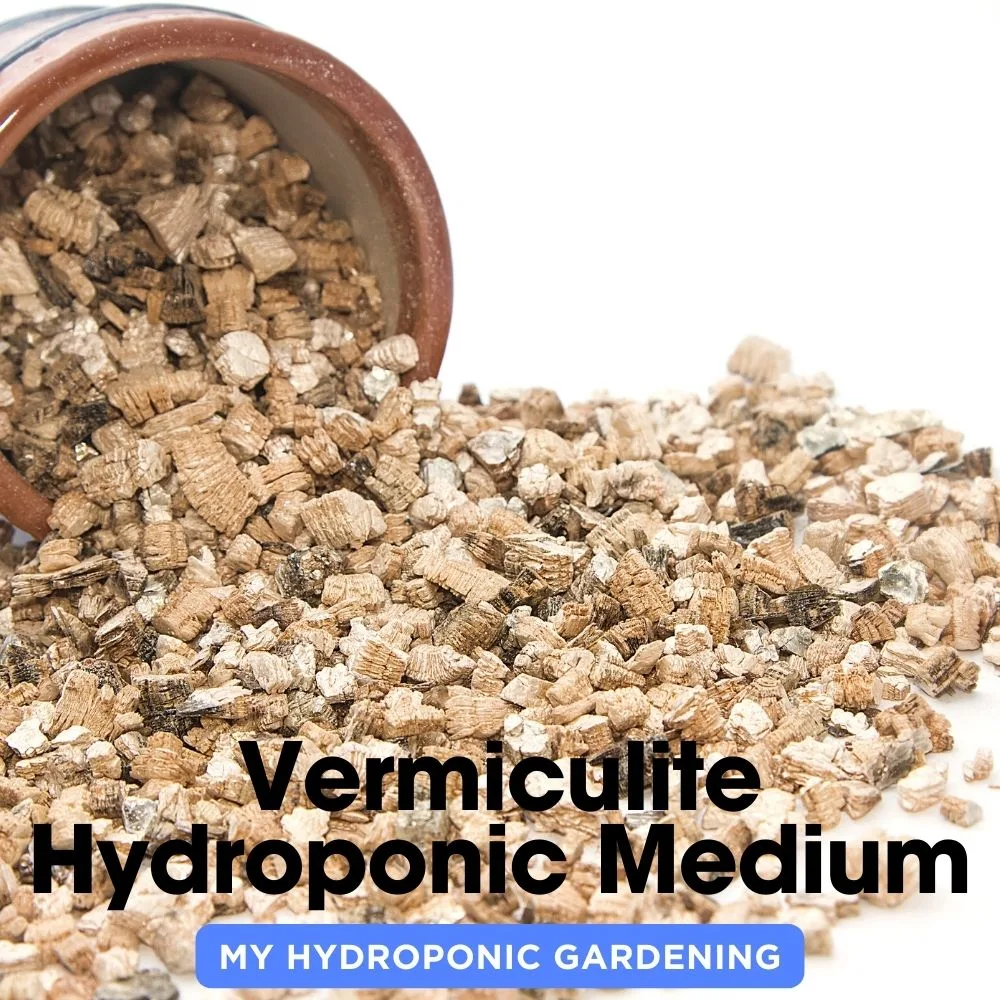
Vermiculite is a naturally occurring mineral that undergoes a transformation process called exfoliation. When heated to high temperatures, the mineral expands dramatically, creating a lightweight, porous material ideal for horticultural applications. This process not only alters its physical structure but also enhances its beneficial properties for plant growth.
Key Properties
The expanded vermiculite boasts several characteristics that make it an excellent choice for hydroponic systems:
- Lightweight: Its low density makes it easy to handle and reduces the overall weight of growing systems.
- High water retention: Vermiculite can hold up to four times its weight in water, ensuring consistent moisture for plant roots.
- Excellent aeration: Despite its water-holding capacity, vermiculite maintains good air porosity, crucial for root health.
- pH neutrality: With a pH around 7.0, vermiculite is suitable for a wide range of crops without significantly altering nutrient solution pH.
- High cation exchange capacity (CEC): This property allows vermiculite to hold and release nutrients effectively, acting as a buffer in the nutrient solution.
Benefits in Hydroponic Systems
Vermiculite’s unique properties translate into several advantages for hydroponic growers:
- Moisture balance: Its ability to retain water while maintaining aeration creates an ideal environment for root development.
- Nutrient management: The high CEC helps stabilize nutrient availability, reducing the frequency of pH and EC adjustments.
- Sterility: Being an inert medium, vermiculite doesn’t harbor pathogens, reducing the risk of soil-borne diseases.
- Versatility: It can be used alone or mixed with other media like perlite to customize growing conditions.
- Seedling propagation: Vermiculite excels in providing an optimal environment for seed germination and early root development.
Applications in Hydroponic Systems
Vermiculite finds use in various hydroponic setups:
- Nutrient Film Technique (NFT): In NFT systems, vermiculite-filled grow pots or cell trays are often used for starting plants before transferring them to the main channels.
- Deep Water Culture (DWC): Vermiculite can be used as a supportive medium in net pots, providing stability for plants in DWC systems.
- Ebb and Flow: The medium’s water retention properties make it suitable for ebb and flow systems, ensuring plants have access to moisture between flood cycles.
- Vertical Systems: Vermiculite’s lightweight nature makes it an excellent choice for vertical hydroponic setups, where weight is a crucial factor.
Grades and Types
Vermiculite is available in different grades to suit various applications:
- Fine grade: Ideal for seed starting and propagation.
- Medium grade: The most popular choice for general hydroponic use.
- Coarse grade: Suitable for larger plants or when increased drainage is desired.
Horticultural grade vermiculite is specifically processed for plant cultivation and differs from construction-grade material. Some vermiculite products are also certified for organic growing, catering to the needs of organic hydroponic farmers.
Best Practices for Using Vermiculite
To maximize the benefits of vermiculite in hydroponics, consider the following practices:
- Proper hydration: Vermiculite can be fully saturated from above or below, ensuring uniform moisture distribution.
- Nutrient management: Monitor and adjust nutrient solutions regularly, as vermiculite’s high CEC can influence nutrient availability.
- Sterilization and reuse: Vermiculite can be sterilized and reused, enhancing its cost-effectiveness. However, ensure thorough cleaning and sterilization between crop cycles.
- Climate considerations: In hotter climates, vermiculite’s water retention properties make it particularly valuable for maintaining consistent moisture levels.
Potential Drawbacks and Solutions
While vermiculite offers numerous benefits, it’s important to consider potential drawbacks:
- Waterlogging: In some situations, vermiculite can become waterlogged. This is often addressed by mixing it with perlite to improve drainage.
- Breakdown over time: Vermiculite tends to break down faster than some other media, potentially requiring more frequent replacement.
- Dust during handling: Proper safety measures, such as wearing a dust mask, should be taken when handling dry vermiculite to avoid inhalation of fine particles.
- Historical asbestos concerns: While modern vermiculite sources are tested and safe, there were historical issues with asbestos contamination. Always source vermiculite from reputable suppliers.
To mitigate these issues, consider:
- Using vermiculite in mixes rather than as a standalone medium
- Implementing proper system design to manage moisture levels
- Following safety guidelines during handling and preparation
Environmental and Economic Considerations
The production of vermiculite does have environmental implications due to mining and heat processing. However, its reusability and effectiveness in reducing water usage in agriculture contribute to a favorable sustainability profile. Economically, vermiculite is generally cost-effective compared to many other hydroponic media, especially when considering its reusability and the potential for bulk discounts for commercial growers.
Future Outlook
As hydroponics continues to evolve, vermiculite is likely to maintain its importance in soilless cultivation. Current innovations focus on enhancing its properties for hydroponic use and integrating vermiculite-based systems with smart hydroponic technologies. These developments suggest a continued and evolving role for vermiculite in the future of hydroponics.
Conclusion
Vermiculite remains a key player in hydroponic media, offering a unique combination of properties that benefit various growing systems. Its balance of performance, cost-effectiveness, and sustainability positions it well for the future of soilless cultivation. While it does have some limitations, proper management and system design can mitigate these issues, ensuring vermiculite continues to be an effective and popular choice for hydroponic growers. As with any growing medium, success with vermiculite in hydroponics relies on understanding its properties and optimizing its use within the specific context of each growing system.
#1 Recommended Hydroponic Smart Kit | #2 Recommended Hydroponic Smart Kit |
| | |
FAQs and Answers
How does vermiculite compare to perlite in hydroponic systems?
Vermiculite and perlite have different properties that make them suitable for various hydroponic applications. Vermiculite has higher water retention capacity and a higher cation exchange capacity (CEC), making it better at holding nutrients and moisture. Perlite, on the other hand, provides better aeration and drainage. Many growers combine the two to create an optimal growing medium that balances water retention and drainage. The choice between vermiculite, perlite, or a mix depends on the specific needs of your hydroponic system and the crops you’re growing.
Can vermiculite be reused in hydroponic systems?
Yes, vermiculite can be reused in hydroponic systems, which contributes to its cost-effectiveness. However, it’s crucial to properly clean and sterilize the vermiculite between crop cycles to prevent the spread of diseases or pests. The process typically involves thoroughly washing the vermiculite to remove old root matter and mineral buildup, then sterilizing it using heat or a mild bleach solution. Keep in mind that vermiculite does break down over time, so you may need to replace it or add fresh material after several uses.
Is vermiculite safe to use considering past asbestos concerns?
Modern vermiculite used in horticulture is generally safe and free from asbestos contamination. The historical concerns about asbestos in vermiculite were primarily linked to a specific mine in Libby, Montana, which was closed in 1990. Today, vermiculite sources are tested to ensure they are asbestos-free. However, it’s always important to purchase vermiculite from reputable suppliers who can provide assurance of its safety. When handling dry vermiculite, it’s recommended to wear a dust mask to avoid inhaling fine particles, which is a general safety practice for handling any dusty material.
What are the best applications for vermiculite in hydroponic systems?
Vermiculite is versatile and can be used in various hydroponic applications. It’s particularly effective for:
- Seed starting and propagation, due to its moisture retention and sterility
- As a component in growing media for Nutrient Film Technique (NFT) and Deep Water Culture (DWC) systems
- In ebb and flow systems, where its water retention properties help maintain moisture between flood cycles
- Vertical hydroponic systems, thanks to its lightweight nature
- As a standalone medium or mixed with other substrates like perlite for customized growing conditions
How does vermiculite affect nutrient management in hydroponic systems?
Vermiculite’s high cation exchange capacity (CEC) plays a significant role in nutrient management. This property allows vermiculite to hold onto positively charged nutrients (cations) and release them slowly to plants. While this can be beneficial in stabilizing nutrient availability, it also means that growers need to monitor nutrient solutions carefully. The CEC of vermiculite can influence the pH and electrical conductivity (EC) of the nutrient solution, potentially requiring more frequent adjustments. Additionally, when first using vermiculite, it may temporarily bind some nutrients, so initial fertilizer applications might need to be slightly higher to compensate for this effect.