Automated nutrient and pH management in hydroponic grows represents a significant advancement in agricultural technology, combining soil-less cultivation with…

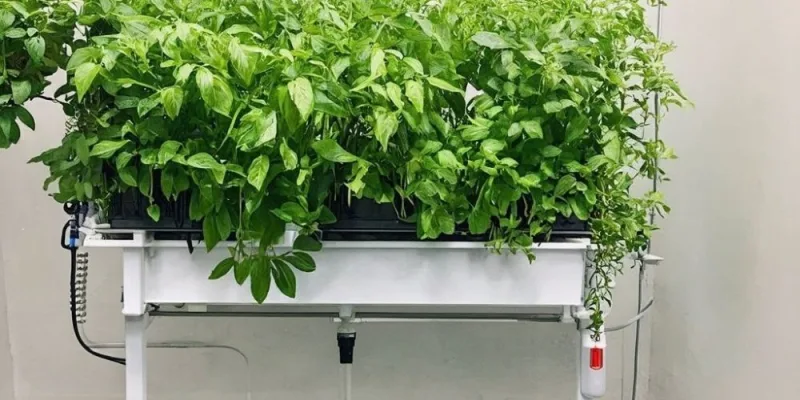
Automated nutrient and pH management in hydroponic grows represents a significant advancement in agricultural technology, combining soil-less cultivation with…
Monitoring and adjusting Electrical Conductivity (EC) levels is crucial for successful hydroponic cultivation. EC directly indicates nutrient concentration in…
Optimizing nutrient concentrations is crucial for successful hydroponic crop production. This process involves tailoring nutrient solutions to specific crops…
Hydroponic system troubleshooting is essential for maintaining a thriving indoor garden. Key challenges include managing nutrient deficiencies, balancing pH…
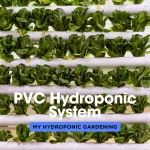
PVC hydroponic systems offer an efficient, cost-effective method for soilless plant cultivation, utilizing polyvinyl chloride pipes to create space-saving…
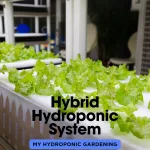
Hybrid Hydroponic Systems represent an innovative approach to sustainable agriculture, combining multiple soilless cultivation techniques to optimize plant growth.…
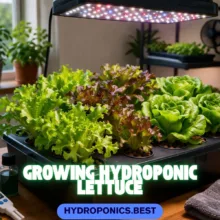
Hydroponic lettuce is one of the easiest and most efficient crops to grow indoors, offering faster growth and using significantly less water than traditional soil gardening. This method involves growing plants in a nutrient-rich water solution, eliminating the need for soil while allowing precise control over nutrients, pH, and environmental conditions. Beginners often start with simple systems like the Kratky method, while more advanced growers may use NFT or DWC systems. Key factors for success include maintaining…
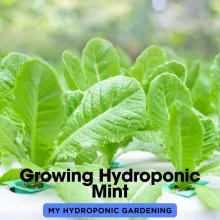
Growing hydroponic mint offers numerous advantages, including faster growth, higher yields, and year-round production. This method allows for precise control over nutrients and growing conditions, resulting in healthier plants and more flavorful harvests. Various hydroponic systems work well for mint, such as deep water culture, nutrient film technique, and ebb and flow systems. Key considerations include choosing the right setup, maintaining proper nutrient levels (EC range 2.0-2.4), pH (5.5-6.0), and lighting (14-16 hours daily). Popular varieties like…
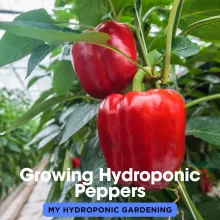
Growing hydroponic peppers offers numerous advantages over traditional soil-based methods, including higher yields, year-round production, and efficient use of space and resources. Popular systems for pepper cultivation include Ebb and Flow and Deep Water Culture, each with its own benefits. Setting up a hydroponic system requires careful planning and investment in essential equipment like grow lights, pH meters, and nutrient solutions. A wide variety of peppers can thrive hydroponically, from bell peppers to hot and specialty varieties.…
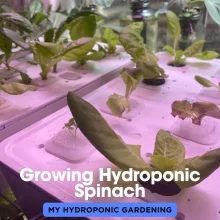
Hydroponic spinach cultivation has emerged as a revolutionary method in modern agriculture, offering numerous advantages over traditional soil-based farming. This soilless technique provides higher yields, faster growth rates, and year-round harvests while significantly reducing water usage and pesticide needs. Setting up a hydroponic system requires careful planning and investment in equipment like LED grow lights, pumps, and monitoring systems. Selecting appropriate spinach varieties and maintaining optimal growing conditions are crucial for success. While challenges exist, such as…
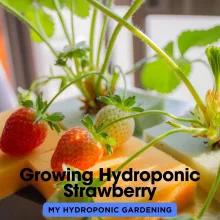
Hydroponic strawberry cultivation offers a modern, efficient approach to growing this popular fruit. This soil-less method provides precise control over nutrients and growing conditions, resulting in faster growth, higher yields, and year-round production. Key benefits include space efficiency, reduced water usage, and easier pest management. Ebb and flow or drip systems are ideal for strawberries, with ever-bearing and day-neutral varieties performing well. Successful cultivation requires careful attention to nutrient balance, pH levels, lighting, temperature, and humidity. While…