PVC Hydroponic System | Best Hydroponics
PVC hydroponic systems offer an efficient, cost-effective method for soilless plant cultivation, utilizing polyvinyl chloride pipes to create space-saving gardening setups. These systems primarily employ the Nutrient Film Technique (NFT), where a thin stream of nutrient-rich water nourishes plant roots. Key components include PVC pipes, reservoirs, pumps, and monitoring tools. While PVC hydroponics offer advantages like water conservation and precise nutrient control, they also present challenges such as potential environmental concerns and maintenance requirements.
Suitable for both hobbyists and commercial growers, these systems excel at growing leafy greens and herbs. Proper planning, regular maintenance, and attention to food safety are crucial for success. As hydroponics evolves, PVC systems are integrating advanced technologies like IoT devices and exploring more sustainable practices. Despite some limitations, PVC hydroponic systems remain a popular choice for their versatility, accessibility, and potential to contribute to sustainable agriculture in various settings.
#1 Recommended Hydroponic Smart Kit | #2 Recommended Hydroponic Smart Kit |
 |  |
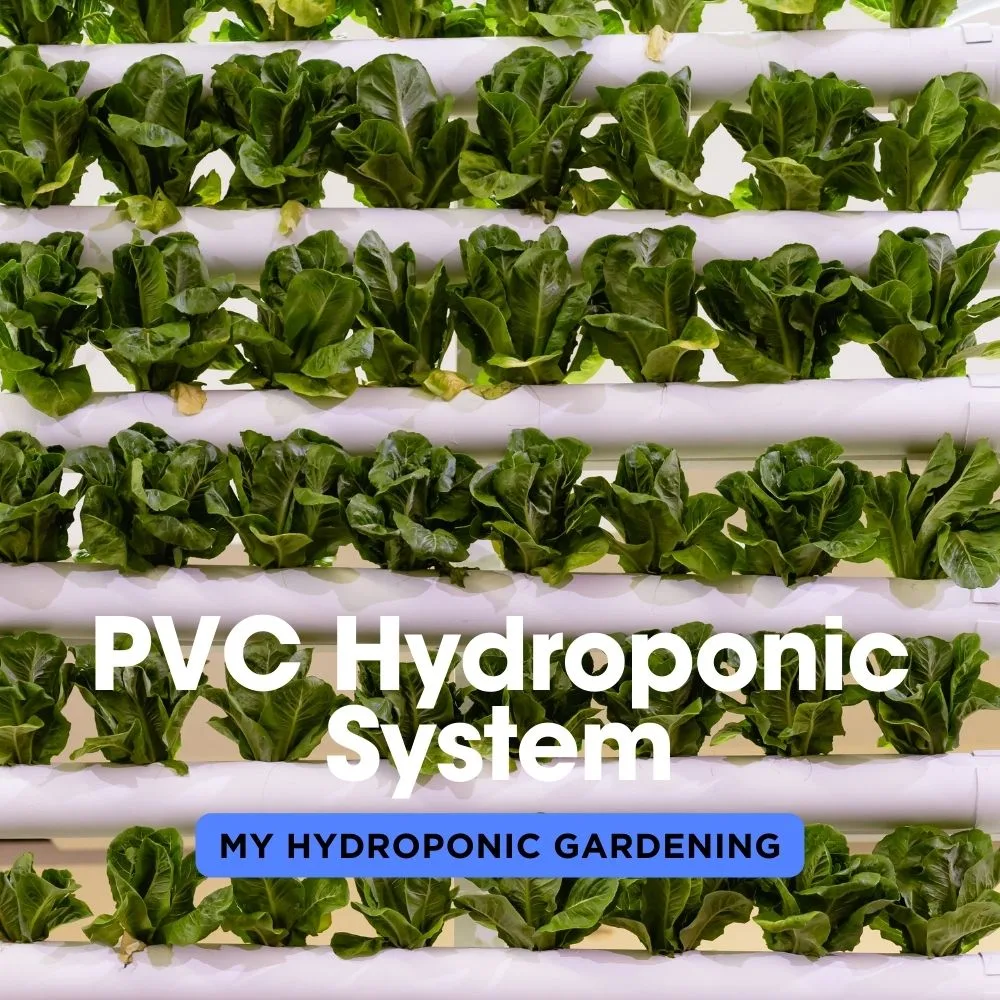
PVC Hydroponic Systems: A Comprehensive Guide
Hydroponic gardening has gained significant popularity in recent years, offering an innovative solution for growing plants without soil. Among the various hydroponic methods, PVC hydroponic systems have emerged as a cost-effective and versatile option for both hobbyists and commercial growers. This article explores the world of PVC hydroponic systems, detailing their benefits, construction, maintenance, and potential drawbacks.
Introduction to PVC Hydroponic Systems
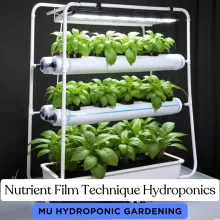
PVC hydroponic systems utilize polyvinyl chloride pipes to create efficient, space-saving gardening setups. These systems primarily employ the Nutrient Film Technique (NFT), where a thin stream of nutrient-rich water flows along the bottom of PVC pipes, providing essential nourishment to plant roots. The popularity of PVC hydroponics stems from its numerous advantages, including water conservation, precise nutrient control, and adaptability to various environments.
Planning and Components
Successful implementation of a PVC hydroponic system begins with careful planning. Considerations include available space, indoor or outdoor placement, and specific plant requirements. The choice between round PVC pipes and flat gutters can significantly impact nutrient distribution and root health. System layout should maximize efficiency while ensuring proper water flow, with careful attention paid to pipe gradients to maintain a consistent nutrient film.
Key components of a PVC hydroponic system include:
- PVC pipes and fittings
- Reservoir for nutrient solution storage
- Submersible pump for water circulation
- Net pots for holding plants
- Growing media (e.g., expanded clay pellets, rockwool cubes)
- Lighting and climate control equipment (for indoor setups)
- Monitoring tools (timers, pH meters, EC meters)
Building Your PVC Hydroponic System
Construction complexity varies based on the chosen design. A basic NFT system might involve horizontal pipes with holes for net pots, connected to a reservoir and pump. More advanced setups, like the A-frame method, require assembling a wooden frame to support multiple levels of PVC pipes.
Step-by-step construction typically involves:
- Measuring and cutting PVC pipes to desired lengths
- Drilling holes for plant sites
- Assembling the frame (if applicable)
- Connecting pipes and fittings
- Installing the pump and reservoir
- Setting up monitoring and control systems
Safety considerations during construction include proper tool use and adequate ventilation when working with PVC cement.
Plant Selection and Cultivation
Choosing appropriate plants is crucial for success in PVC hydroponic systems. Leafy greens, herbs, and compact fruiting plants often thrive in these setups. Popular choices include lettuce, spinach, basil, and cherry tomatoes.
The cultivation process begins with seeding in starter cubes or directly in net pots filled with growing media. Proper nutrient management is essential, involving regular monitoring and adjustment of pH levels (typically 5.5-6.5) and nutrient concentrations. Special attention must be given to root development, ensuring roots have adequate access to the nutrient film without becoming waterlogged.
System Maintenance and Troubleshooting
Regular maintenance is key to a healthy PVC hydroponic system. This includes:
- Cleaning and sanitizing PVC components to prevent algae growth and pathogen buildup
- Monitoring and adjusting nutrient solution levels and composition
- Checking and cleaning pumps and filters
- Inspecting for leaks and addressing them promptly
- Pruning plants and harvesting as needed
Common issues in PVC hydroponic systems include nutrient imbalances, pump failures, and algae overgrowth. Solutions often involve adjusting nutrient mixes, ensuring proper system maintenance, and optimizing environmental conditions.
Advanced Techniques and Innovations
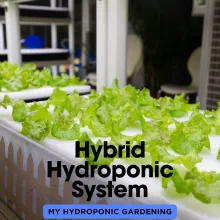
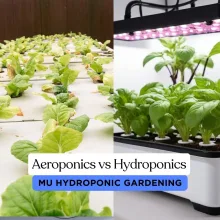
As technology advances, PVC hydroponic systems are becoming more sophisticated. Automation through IoT devices allows remote monitoring and control of system parameters. Some growers are experimenting with hybrid systems, combining PVC hydroponics with aquaponics or aeroponics for increased efficiency.
For commercial applications, scaling up PVC systems requires careful planning to maintain consistent nutrient delivery and maximize space utilization. Vertical farming techniques are increasingly being incorporated into PVC hydroponic designs to further optimize space usage.
Environmental and Safety Considerations
While PVC is durable and cost-effective, its environmental impact is a concern for some growers. Sustainable practices include:
- Using food-grade PVC to minimize chemical leaching
- Implementing recycling programs for used components
- Exploring alternative materials or improved PVC formulations
Food safety is paramount, necessitating the use of appropriate materials and regular system cleaning. Some growers are exploring biodegradable or recyclable alternatives to address environmental concerns while maintaining system efficiency.
Cost Analysis and Efficiency
PVC hydroponic systems generally have lower initial setup costs compared to many other hydroponic methods. Long-term operational expenses include electricity for pumps and lights, nutrients, and occasional component replacement. When compared to traditional soil gardening, PVC hydroponics often yield higher productivity per square foot and use less water, though energy costs may be higher.
The efficiency and cost-effectiveness can vary based on scale and crop selection. Small-scale home systems can be very economical, while larger commercial operations may require significant investment in automation and environmental control.
Downsides and Limitations
Despite their many advantages, PVC hydroponic systems do have some drawbacks:
- Environmental concerns related to PVC production and disposal
- Potential for chemical leaching if non-food-grade PVC is used
- Susceptibility to power outages, which can quickly damage crops
- Limited root space in some designs, restricting plant size
- Learning curve for proper nutrient management and system maintenance
- Possibility of rapid disease spread due to shared nutrient solution
Future Trends
The future of PVC hydroponics likely involves more integrated and sustainable designs. Emerging technologies may include smart sensors for more precise control and data-driven growing strategies. Improvements in PVC formulations could address concerns about chemical leaching and environmental impact. There’s also a trend towards integrating these systems with broader sustainable agriculture practices, potentially combining them with renewable energy sources or water reclamation systems.
Conclusion
PVC hydroponic systems offer a versatile and accessible method for soilless cultivation. While they have limitations, their benefits in terms of space efficiency, water conservation, and crop control make them attractive to many growers. Success with these systems relies on proper planning, consistent maintenance, and a willingness to learn and adapt.
As hydroponics continues to evolve, PVC systems are likely to remain a popular choice for both hobbyists and commercial growers. By addressing environmental concerns and leveraging technological advancements, PVC hydroponics can play a significant role in the future of sustainable agriculture, offering a practical solution for growing fresh produce in various settings, from urban rooftops to large-scale farming operations.
#1 Recommended Hydroponic Smart Kit | #2 Recommended Hydroponic Smart Kit |
| | |
Summary and FAQs
Is PVC safe for growing food in hydroponic systems?
Generally, PVC is considered safe for hydroponic use when food-grade PVC is used. However, it’s important to use schedule 40 or higher PVC pipes, which are designed for potable water. To further ensure safety, avoid exposing the PVC to high temperatures or direct sunlight, which can accelerate chemical leaching. Some growers prefer to use alternative materials like HDPE (High-Density Polyethylene) if they have concerns about PVC.
What are the best plants to grow in a PVC hydroponic system?
PVC hydroponic systems, especially those using the NFT (Nutrient Film Technique), are best suited for plants with shallow root systems. Ideal choices include:
- Leafy greens: lettuce, spinach, kale, and Swiss chard
- Herbs: basil, cilantro, parsley, and mint
- Some fruiting plants: small varieties of tomatoes and peppers Avoid plants with extensive root systems or those that require significant support structures.
How often should I clean my PVC hydroponic system?
Regular cleaning is crucial for maintaining a healthy PVC hydroponic system. A general guideline is:
- Weekly: Check and clean filters, inspect for algae growth
- Monthly: Clean the entire system, including pipes and reservoir
- Between crop cycles: Perform a thorough cleaning and sterilization However, the frequency may vary depending on your specific setup and environmental conditions. Always monitor your system and clean more frequently if you notice algae growth or other issues.
What’s the ideal slope for PVC pipes in an NFT hydroponic system?
The ideal slope for PVC pipes in an NFT system is typically between 1:30 and 1:40, or about a 2-3% gradient. This means for every 100 cm of horizontal distance, the pipe should drop by 2.5 to 3.3 cm. This slope ensures that the nutrient solution flows at an appropriate rate, providing oxygen to the roots while preventing water from pooling. However, the exact slope may need to be adjusted based on factors like pipe length, flow rate, and plant type.
Can I use a PVC hydroponic system outdoors?
Yes, PVC hydroponic systems can be used outdoors, but there are several considerations:
- Protect the system from direct sunlight to prevent algae growth and degradation of the PVC
- Ensure the system is sheltered from rain to maintain nutrient balance
- In colder climates, consider insulating the pipes and reservoir to maintain consistent temperatures
- Use UV-resistant PVC or paint the pipes with UV-resistant paint to extend their lifespan
- Be prepared to monitor and adjust the system more frequently due to variable outdoor conditions Outdoor systems can be very productive, but they typically require more attention than indoor setups.