Growing Hydroponic Strawberry | Best Hydroponics
Hydroponic strawberry cultivation offers a modern, efficient approach to growing this popular fruit. This soil-less method provides precise control over nutrients and growing conditions, resulting in faster growth, higher yields, and year-round production. Key benefits include space efficiency, reduced water usage, and easier pest management. Ebb and flow or drip systems are ideal for strawberries, with ever-bearing and day-neutral varieties performing well. Successful cultivation requires careful attention to nutrient balance, pH levels, lighting, temperature, and humidity.
While hydroponic systems offer many advantages, they also present challenges such as higher initial costs, technical knowledge requirements, and energy demands. Regular maintenance, including pruning and pollination, is crucial for optimal yields. Despite some drawbacks, hydroponic strawberry production represents an exciting frontier in agriculture, with ongoing advancements in technology and sustainability practices shaping its future. As global demand for strawberries grows, hydroponics is poised to play an increasingly important role in meeting this need.
#1 Recommended Hydroponic Smart Kit | #2 Recommended Hydroponic Smart Kit |
 |  |
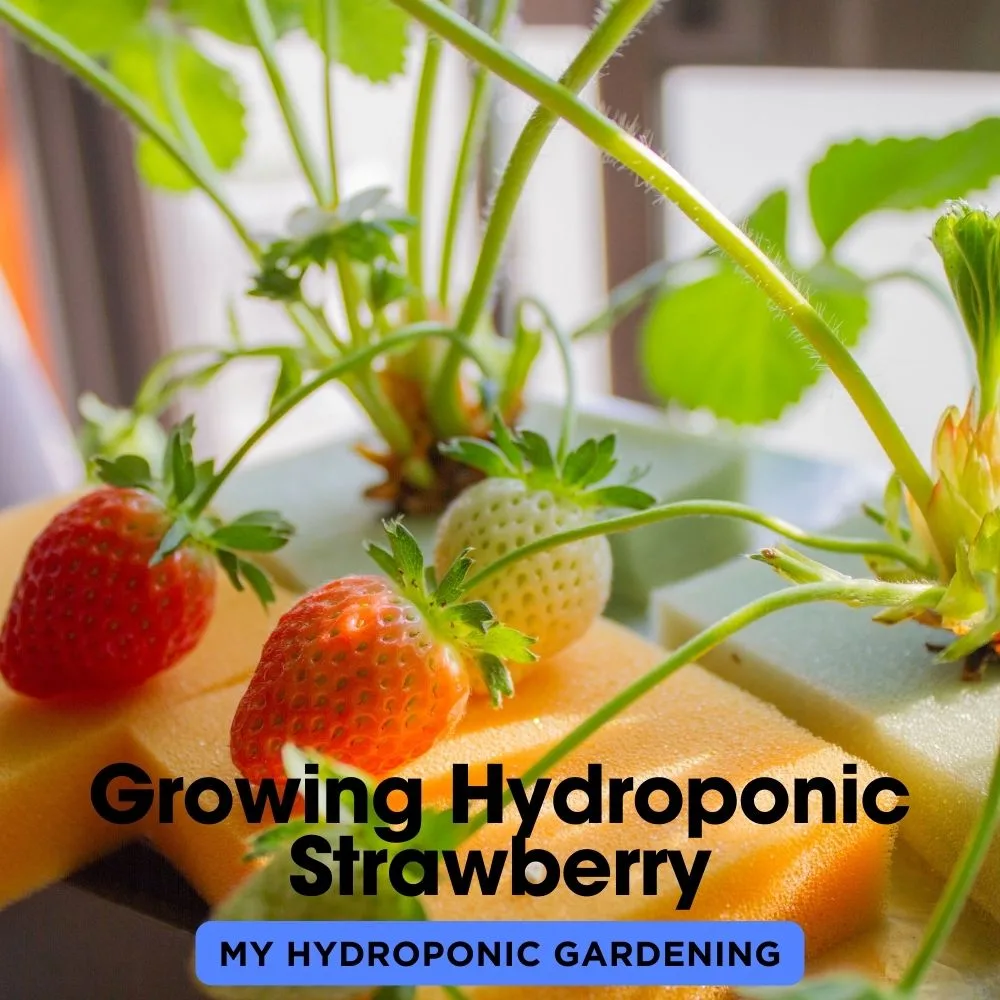
Growing Hydroponic Strawberries: A Comprehensive Guide
Hydroponic strawberry cultivation has gained significant popularity in recent years, offering growers a innovative way to produce this beloved fruit. This soil-less method of growing plants delivers nutrients directly to the roots through a water-based solution, allowing for precise control over plant nutrition and growing conditions. The result is often faster growth and higher yields compared to traditional soil-based methods.
Benefits of Hydroponic Strawberry Growing
Growing strawberries hydroponically offers numerous advantages. These include increased yields, faster growth, and the ability to produce fruit year-round. Hydroponic systems are also space-efficient, making them ideal for urban environments or areas with limited arable land. Water consumption is significantly reduced compared to soil-based growing, as water is recirculated within the system. Pest and disease control is generally easier in hydroponic setups, as many soil-borne issues are eliminated.
The precise nutrient management possible in hydroponic systems leads to healthier plants and potentially more flavorful fruits. Growers can adjust nutrient levels to optimize plant health and fruit production at different growth stages.
Choosing the Right Hydroponic System
For strawberries, the most suitable hydroponic systems are ebb and flow (flood and drain) and drip systems. Ebb and flow systems periodically flood the root zone with nutrient solution before draining it away, while drip systems continuously supply nutrients to each plant. Both provide excellent oxygenation and nutrient distribution for strawberry plants.
When setting up a hydroponic strawberry system, essential equipment includes growing containers or trays, a reservoir for nutrient solution, pumps, timers, and grow lights for indoor setups. Additional items may include pH and EC meters, air stones, and ventilation equipment.
Selecting Strawberry Varieties
Choosing the right strawberry variety is crucial for successful hydroponic cultivation. Ever-bearing and day-neutral strains are well-suited for hydroponic systems, offering extended or continuous fruit production. Popular varieties for hydroponics include Douglas, Tioga, Chandler, Brighton, and Red Gauntlet.
For home growers, flavor and length of fruiting period might be priorities, while commercial growers often focus on yield, shelf life, and disease resistance. Opting for disease-resistant cultivars can significantly reduce the risk of crop loss, even though hydroponic systems generally have fewer disease issues than soil growing.
Starting Your Hydroponic Strawberry Garden
While it’s possible to start strawberries from seeds, using cuttings or clones is often preferred in hydroponic systems. Cuttings provide a quicker start and ensure genetic consistency. Propagation typically involves taking runners (stolons) from a mother plant and rooting them in a separate growing medium.
Once seedlings or rooted cuttings are established, they can be transplanted into the hydroponic system. This process requires careful handling to ensure the roots are well-positioned in the chosen growing medium and can access the nutrient solution.
Optimal Growing Conditions
Strawberries require a balanced nutrient solution containing primary macronutrients (nitrogen, phosphorus, potassium), secondary nutrients (calcium, magnesium, sulfur), and micronutrients. The ideal composition may vary depending on the growth stage, with higher nitrogen levels during vegetative growth and increased potassium during fruiting.
Maintaining the proper pH level is crucial for nutrient uptake. Strawberries prefer a slightly acidic pH range of 5.5 to 6.5 in hydroponic systems. Regular monitoring and adjustment of pH levels ensure optimal nutrient availability.
Lighting is another critical factor, especially in indoor setups. LED grow lights are often used due to their energy efficiency and customizable spectrum. A combination of red and blue light with some white light is typically most effective for strawberry production.
Temperature and humidity control are essential for optimal growth. Strawberries grow best in temperatures between 60-80°F (15-27°C) and prefer moderate humidity levels around 65-75%. Good air circulation is also crucial to prevent fungal diseases and promote pollination.
Care and Maintenance
Regular care for hydroponic strawberries includes daily checks of nutrient solution levels and pH, and inspection of plants for signs of stress or disease. Nutrient levels should be monitored using an EC (electrical conductivity) meter, with adjustments made based on plant growth stage and any signs of deficiency or excess.
Pruning involves removing dead or yellowing leaves, as well as runners if not being used for propagation. In enclosed environments where natural pollinators may be absent, hand pollination using a small brush or electric toothbrush can be effective.
While hydroponic systems generally have fewer pest issues than soil growing, vigilance is still necessary. Integrated Pest Management (IPM) strategies, including the use of beneficial insects and careful monitoring, are often employed.
Harvesting and Yield
One of the major advantages of hydroponic strawberry production is the potential for higher yields in less space. Harvesting can often begin earlier than in soil-based systems, and with proper management, production can continue for extended periods.
When harvesting, it’s important to pick the fruits at the right stage of ripeness. Strawberries don’t continue to ripen after picking, so timing is crucial. Gentle handling during harvest and proper post-harvest storage are essential to maintain fruit quality.
Downsides and Challenges
While hydroponic strawberry production offers many benefits, it’s important to note some potential downsides:
- Higher initial costs: Setting up a hydroponic system requires a significant upfront investment in equipment and materials.
- Technical knowledge: Successful hydroponic growing requires a good understanding of plant nutrition, water chemistry, and system management.
- Energy requirements: Indoor hydroponic systems can have high energy costs for lighting and climate control.
- System dependency: Plants are entirely dependent on the system for nutrients and water. Any equipment failure could quickly lead to crop loss.
- Limited organic options: While it’s possible to use organic nutrients in hydroponics, it’s more challenging than in soil-based organic growing.
- Potential for rapid spread of pathogens: If a disease does enter the system, it can spread quickly through the shared nutrient solution.
Future Trends and Sustainability
The future of hydroponic strawberry production looks promising, with ongoing research into more efficient systems and sustainable practices. Vertical farming techniques are being increasingly integrated with hydroponics to maximize space efficiency, particularly in urban environments.
Advancements in LED lighting technology continue to improve energy efficiency and optimize light spectra for plant growth. Additionally, the integration of AI and IoT technologies is enabling more precise control and monitoring of hydroponic systems, potentially leading to even higher yields and resource efficiency.
From a sustainability perspective, hydroponic strawberry production offers several advantages, including reduced water usage and the potential for local production, reducing transportation needs. However, the energy requirements, particularly for indoor systems, remain a consideration in overall environmental impact assessments.
Conclusion
Hydroponic strawberry cultivation represents an exciting frontier in modern agriculture, offering the potential for high-yield, year-round production with efficient resource use. While it comes with its own set of challenges and requires a significant investment in knowledge and equipment, the benefits can be substantial for both commercial growers and enthusiastic hobbyists. As technology continues to advance and our understanding of plant science deepens, hydroponic strawberry production is likely to play an increasingly important role in meeting the growing global demand for this delicious fruit.l markets.n innovative solution to year-round tomato production.
#1 Recommended Hydroponic Smart Kit | #2 Recommended Hydroponic Smart Kit |
| | |
Summary and FAQs
What are the main advantages of growing strawberries hydroponically compared to traditional soil methods?
The main advantages of hydroponic strawberry cultivation include:
- Higher yields in less space
- Year-round production capability
- Better control over growing conditions
- Reduced water usage
- Fewer pest and soil-borne disease issues
- Precise nutrient management
- Potential for faster growth and earlier harvests
- Ability to grow in urban or non-traditional agricultural areas
Which hydroponic system is best for growing strawberries?
The two most recommended hydroponic systems for strawberries are:
- Ebb and flow (flood and drain) systems: These periodically flood the root zone with nutrient solution before draining it away.
- Drip systems: These continuously supply nutrients to each plant.
Both systems provide excellent oxygenation and nutrient distribution for strawberry plants. The choice between them often depends on the scale of operation and personal preference.
How do I maintain the proper nutrient balance for hydroponic strawberries?
Maintaining proper nutrient balance involves:
- Using a balanced nutrient solution containing primary macronutrients (nitrogen, phosphorus, potassium), secondary nutrients (calcium, magnesium, sulfur), and micronutrients.
- Adjusting nutrient composition based on growth stage (e.g., higher nitrogen during vegetative growth, more potassium during fruiting).
- Regularly monitoring and maintaining pH levels between 5.5 and 6.5.
- Checking electrical conductivity (EC) to ensure proper nutrient concentration.
- Changing out the nutrient solution every 2-3 weeks or as needed.
- Conducting periodic leaf tissue analysis for more precise adjustments.
What are the main challenges or downsides of hydroponic strawberry production?
The main challenges include:
- Higher initial setup costs compared to soil-based growing
- Need for technical knowledge about hydroponics and plant nutrition
- Dependency on equipment (pumps, timers, etc.) for plant survival
- Potential for rapid spread of pathogens if they enter the system
- Higher energy costs, especially for indoor setups with artificial lighting
- Limited options for organic certification compared to soil-based organic growing
How do I handle pollination in an indoor hydroponic strawberry system?
In an indoor hydroponic system where natural pollinators are absent, you can:
- Hand pollinate using a small, soft brush or electric toothbrush to gently vibrate the flowers
- Use air circulation (fans) to help distribute pollen
- Introduce bumblebees or other pollinating insects if the growing area is large enough
- Consider self-pollinating strawberry varieties, though these may have lower yields
Remember to pollinate during the middle of the day when pollen is most viable, and repeat the process every 1-2 days for best results.