Growing Hydroponic Basil | Best Hydroponics
Hydroponic basil cultivation offers an efficient, sustainable alternative to traditional soil-based methods. This soilless technique provides faster growth, higher yields, and year-round production while using significantly less water and reducing the need for pesticides. Optimal conditions for hydroponic basil include 14-16 hours of daily light, an EC range of 1.0-1.6, and a pH between 5.5-6.8. Regular pruning and harvesting promote bushy growth and prevent flowering, which can alter flavor.
Common challenges include nutrient imbalances, root problems, and algae growth, but these can be managed through proper maintenance and monitoring. While initial setup costs may be higher, the long-term benefits often justify the investment. Hydroponic basil maintains similar nutritional value to soil-grown basil and offers versatility in culinary applications. As technology advances, hydroponic herb production continues to evolve, promising even greater efficiency and sustainability in the future.
#1 Recommended Hydroponic Smart Kit | #2 Recommended Hydroponic Smart Kit |
 |  |
Growing Hydroponic Basil: A Comprehensive Guide
Hydroponic basil cultivation has gained significant popularity in recent years, offering a modern approach to herb production that combines efficiency, sustainability, and year-round availability. This soilless method of growing basil presents numerous advantages over traditional soil-based cultivation, making it an attractive option for both hobbyist gardeners and commercial growers.
The Basics of Hydroponic Basil
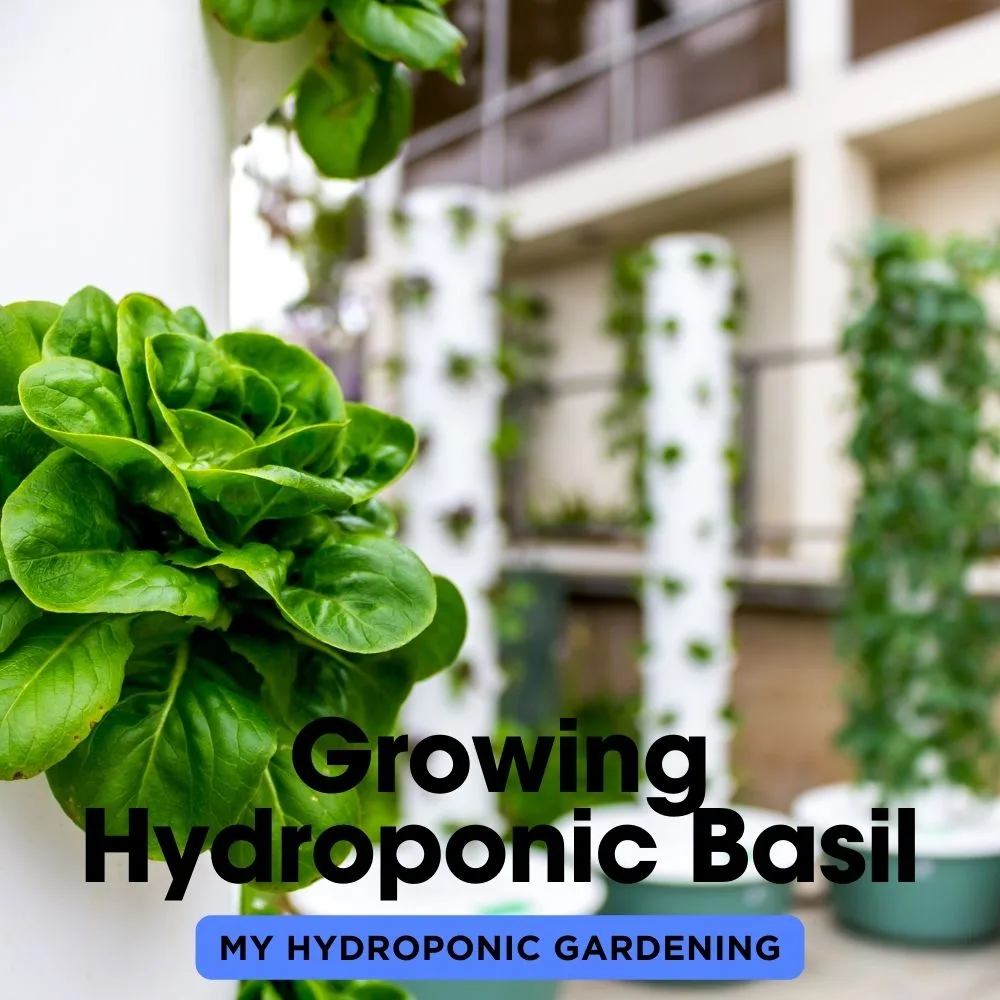
Hydroponic systems for basil range from simple DIY setups to sophisticated commercial installations. At their core, these systems deliver nutrient-rich water directly to the plant roots, eliminating the need for soil. This method allows for precise control over growing conditions, resulting in faster growth rates, higher yields, and more frequent harvests compared to conventional methods.
One of the primary benefits of hydroponic basil cultivation is its minimal environmental impact. These systems typically use up to 90% less water than traditional soil-based farming, making them highly water-efficient. Additionally, the controlled environment reduces or eliminates the need for pesticides, contributing to a cleaner, more sustainable growing process.
Getting Started
For beginners, hydroponic basil cultivation is relatively straightforward. Many user-friendly systems, such as the iHarvest®, offer an excellent introduction to hydroponics. Essential equipment includes LED grow lights, a nutrient reservoir, water pumps, and growing mediums like rockwool or clay pebbles.
While the initial setup cost for a hydroponic system may be higher than traditional gardening, the long-term benefits often justify the investment. These systems are highly scalable, allowing growers to start small and expand as needed, from countertop units to large commercial operations.
Basil Varieties and Their Performance
Various basil varieties thrive in hydroponic systems. Green basil types, such as Genovese or Sweet basil, are popular choices known for their vigorous growth and classic flavor. Purple basil varieties, while less vigorous, add visual interest and unique flavors to the mix. Each variety offers distinct flavor profiles, ranging from sweet to spicy or citrusy, catering to different culinary Basil Varieties and Their Performance.
In hydroponic systems, basil typically produces harvestable leaves in as little as 3-4 weeks from germination, with continuous harvests possible thereafter. This rapid growth cycle is one of the key advantages of hydroponic cultivation.
Optimal Growing Conditions
Successful hydroponic basil cultivation relies on maintaining optimal growing conditions. Lighting is crucial, with basil requiring 14-16 hours of light daily. LED grow lights are often preferred for their energy efficiency and customizable spectrum, allowing growers to tailor the light to basil’s specific needs.
The nutrient solution is another critical factor. For basil, the ideal Electrical Conductivity (EC) range is 1.0-1.6, or a Parts Per Million (PPM) of 700-1200. The pH should be maintained between 5.5-6.8 for optimal nutrient uptake. Regular monitoring and adjustment of these parameters are essential for healthy plant growth.
Water temperature, humidity, and air circulation also play vital roles in basil’s development. Maintaining a stable environment with temperatures around 65-75°F (18-24°C) and humidity levels between 50-70% promotes robust growth and helps prevent issues like fungal diseases.
Care and Maintenance
Regular care is essential for healthy hydroponic basil. Pruning encourages bushier growth and prevents flowering, which can alter the herb’s flavor. While hydroponic systems generally reduce pest issues, vigilant monitoring helps catch any problems early.
One common challenge in hydroponic systems is algae growth. This can be prevented through proper light management and regular cleaning of the system components. Routine maintenance, including checking and cleaning pumps and filters, is crucial for long-term success.
Harvesting and Post-Harvest Handling
Hydroponic basil is typically ready for its first harvest 3-4 weeks after transplanting. Continuous harvesting techniques, where outer leaves are regularly picked, promote ongoing growth. To maximize yields, it’s best to harvest before flowering occurs and always leave a few leaves on the plant to support regrowth.
Proper post-harvest handling is crucial for maintaining basil’s quality. Gentle washing and appropriate storage can significantly extend shelf life. If flowers do appear, they should be pinched off promptly to maintain the plant’s focus on leaf production.
Challenges and Solutions
Despite its relative ease of cultivation, hydroponic basil can face challenges. Nutrient deficiencies or imbalances may manifest as yellowing leaves or stunted growth. Root problems, often caused by overwatering or lack of oxygen, can lead to wilting or plant death. Environmental stress factors like temperature fluctuations or improper lighting can also impact plant health.
Interestingly, excessively high nutrient levels can alter basil’s flavor, potentially leading to a mint-like taste. Regular monitoring and prompt adjustment of growing conditions can help prevent and address these issues.
Sustainability and Economic Aspects
Hydroponic basil production offers impressive water efficiency and the ability to grow year-round, regardless of outdoor conditions. This consistent supply can command premium prices, especially during off-seasons. The growing market demand for fresh, locally grown herbs makes hydroponic basil an attractive option for both small-scale and commercial growers.
However, it’s important to note that energy usage can be a concern, particularly in regions with high electricity costs. Optimizing energy efficiency through the use of LED lighting and efficient climate control systems is crucial for maintaining profitability.
Nutritional Value and Health Benefits
While basil is not exceptionally high in vitamins or antioxidants compared to some other herbs, it still offers notable health benefits. Hydroponic basil maintains a nutrient profile similar to soil-grown basil, with some studies suggesting potentially higher concentrations of certain compounds due to controlled growing conditions.
The herb is rich in essential oils, providing its characteristic aroma and potential therapeutic properties. Its versatility in culinary applications, from fresh garnishes to key ingredients in pesto and other dishes, makes it a popular choice among consumers.
Regulatory Considerations
The regulation of hydroponic produce, including basil, continues to evolve. Organic certification for hydroponic crops remains a topic of debate in some regions, with policies varying by country. Food safety regulations apply to hydroponic herbs just as they do to conventionally grown produce, often with additional emphasis on water quality and system cleanliness.
Conclusion
Hydroponic basil cultivation offers an efficient, sustainable, and rewarding way to produce this popular herb. While it requires initial investment and ongoing attention to maintaining optimal growing conditions, the benefits of faster growth, higher yields, and year-round production make it an attractive option for many growers. As with any cultivation method, there are challenges to overcome, but with proper care and management, hydroponic basil can thrive, providing a steady supply of fresh, flavorful herbs for both personal use and commercial markets.n innovative solution to year-round tomato production.
#1 Recommended Hydroponic Smart Kit | #2 Recommended Hydroponic Smart Kit |
| | |
Summary and FAQs
What are the main advantages of growing basil hydroponically compared to traditional soil methods?
Growing basil hydroponically offers several advantages:
- Faster growth and higher yields
- Year-round production, regardless of outdoor conditions
- More efficient use of water (up to 90% less than soil-based methods)
- Reduced need for pesticides due to controlled environment
- Precise control over nutrient delivery and growing conditions
- Space efficiency, especially with vertical systems
- Cleaner harvest with less risk of soil-borne diseases
How often should I harvest my hydroponic basil, and what’s the best method?
Hydroponic basil can typically be harvested every 3-4 weeks after the initial growth period. The best method is to use continuous harvesting techniques:
- Start harvesting when the plant has at least 3-4 sets of true leaves
- Cut stems just above a leaf intersection, leaving at least 2/3 of the plant intact
- Always leave a few leaves on each stem to support regrowth
- Harvest regularly to encourage bushy growth and prevent flowering
- For maximum yield, harvest before the plant starts to flower
What are the optimal nutrient and pH levels for hydroponic basil, and how often should I check them?
For optimal growth of hydroponic basil:
- Maintain an EC (Electrical Conductivity) range of 1.0-1.6, or a PPM (Parts Per Million) of 700-1200
- Keep the pH between 5.5-6.8
- Check these levels at least once a week, or more frequently in smaller systems
- Adjust nutrient solution and pH as needed to maintain optimal ranges
- Be aware that excessively high nutrient levels can alter basil’s flavor
What are common problems in hydroponic basil cultivation and how can I prevent them?
Common issues and prevention methods include:
- Nutrient deficiencies: Regular monitoring and adjusting of nutrient solution
- Root rot: Ensure proper oxygenation of the nutrient solution and avoid overwatering
- Algae growth: Minimize light exposure to the nutrient solution and clean the system regularly
- Pest infestations: Maintain a clean environment and use physical barriers or organic pest control methods if needed
- Bolting (premature flowering): Maintain proper light cycles and harvest regularly
- Flavor changes: Avoid excessive nutrient concentrations and maintain proper EC levels
Can I grow different varieties of basil together in the same hydroponic system?
Yes, you can grow different basil varieties together, but consider the following:
- Choose varieties with similar growth rates and nutrient requirements for best results
- Be aware that some varieties (like purple basil) may grow less vigorously than others
- Ensure adequate spacing between plants to prevent competition for light and nutrients
- Monitor closely to ensure all varieties are thriving under the same conditions
- Consider separating varieties if you notice significant differences in growth or health
- Keep in mind that mixing varieties might lead to cross-pollination if plants are allowed to flower, which could affect seed purity for future plantings