Growing Hydroponic Peppers | Best Hydroponics
Growing hydroponic peppers offers numerous advantages over traditional soil-based methods, including higher yields, year-round production, and efficient use of space and resources. Popular systems for pepper cultivation include Ebb and Flow and Deep Water Culture, each with its own benefits. Setting up a hydroponic system requires careful planning and investment in essential equipment like grow lights, pH meters, and nutrient solutions. A wide variety of peppers can thrive hydroponically, from bell peppers to hot and specialty varieties.
Starting from seeds or clones, peppers typically take 60-90 days from planting to harvest. Optimal growing conditions include 14-18 hours of light daily, specific pH and temperature ranges, and balanced nutrients. While hydroponic pepper growing presents challenges such as initial setup costs and the need for technical knowledge, many growers find the benefits outweigh the drawbacks. As technology advances, hydroponic pepper cultivation continues to gain popularity among both hobbyists and commercial producers.
#1 Recommended Hydroponic Smart Kit | #2 Recommended Hydroponic Smart Kit |
 |  |
Growing Hydroponic Peppers: A Comprehensive Guide
Hydroponic pepper cultivation has gained significant popularity in recent years, offering gardeners and commercial growers alike an efficient and controlled method of producing high-quality peppers. This innovative approach to agriculture allows for year-round production, higher yields, and better control over growing conditions compared to traditional soil-based methods.
Benefits of Hydroponic Pepper Cultivation
Hydroponic systems offer numerous advantages for growing peppers. First and foremost, they allow for significantly higher yields in smaller spaces. Without the constraints of soil, plants can be placed closer together, maximizing the use of available area. This makes hydroponic pepper growing particularly attractive for urban environments or areas with limited land.
Another key benefit is the ability to grow peppers year-round, regardless of outdoor climate conditions. By controlling temperature, humidity, and lighting, growers can maintain ideal conditions for pepper plants throughout the year, ensuring a consistent supply of fresh peppers.
Water conservation is another significant advantage of hydroponic systems. These setups typically use up to 90% less water than traditional soil-based farming, as water is recirculated and reused within the system. This not only reduces water consumption but also minimizes nutrient runoff, making hydroponic pepper growing an environmentally friendly option.
Hydroponic Systems for Peppers
There are several hydroponic systems suitable for growing peppers, with two of the most popular being Ebb and Flow (flood and drain) systems and Deep Water Culture (DWC) systems.
Ebb and Flow systems work by periodically flooding the grow tray with nutrient solution and then draining it back into a reservoir. This system is versatile and can be easily scaled up or down depending on your needs. It’s particularly well-suited for peppers as it provides excellent oxygenation to the root zone.
Deep Water Culture systems, on the other hand, keep the plant roots constantly submerged in an oxygenated nutrient solution. This system is simpler to set up and maintain, making it a good choice for beginners. However, it may require more frequent monitoring of water temperature and oxygen levels to ensure optimal growing conditions.
Setting Up Your Hydroponic Pepper System
When setting up a hydroponic system for peppers, several key components are necessary. These include grow lights (LED or HID), a pH meter, an EC (electrical conductivity) meter, air pumps, water pumps, growing media, net pots or containers, and a complete set of hydroponic nutrients.
Space planning is crucial for a successful setup. Most pepper varieties, especially bell peppers, need about 18 inches of space between plants. Remember to factor in space for equipment, maintenance access, and potential system expansion. Vertical growing techniques can be employed to maximize space efficiency in smaller areas.
While the initial cost of setting up a hydroponic system can be higher than traditional gardening, long-term savings on water, pesticides, and increased yields often offset this investment. When budgeting, consider both upfront and ongoing costs, including energy usage for lights and pumps, nutrient solutions, and potential equipment replacements.
Selecting Pepper Varieties for Hydroponics
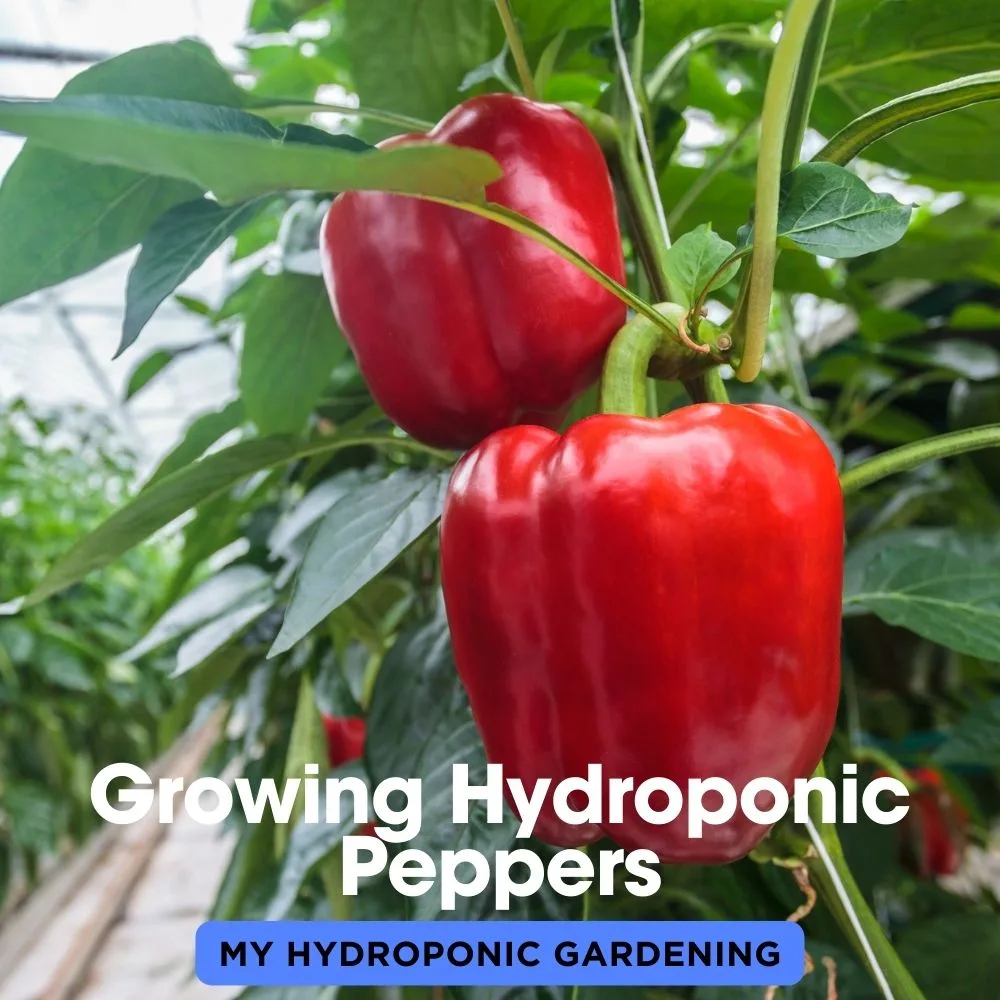
A wide range of pepper varieties can thrive in hydroponic systems. For bell peppers, varieties like California Wonder, Quadrato d’Asti Rosso, and Bellboy F1 are known for their adaptability to indoor growing conditions and consistent fruit size.
Hot pepper enthusiasts can successfully grow varieties such as Jalapeno, Habanero, and Thai Chili in hydroponic setups. These peppers often produce prolifically in controlled environments.
When growing indoors, it’s advisable to choose varieties that remain compact and have shorter maturation periods. Self-pollinating varieties may be easier to manage in an indoor environment where natural pollinators are absent.
Hydroponic systems also offer an excellent opportunity to grow specialty or exotic pepper varieties that may not be readily available in local markets. Options like Aji Amarillo, Scotch Bonnet, or Sweet Banana peppers can add diversity to your grow and potentially command premium prices if selling to restaurants or specialty markets.
Starting Your Hydroponic Peppers
When starting your hydroponic pepper plants, you have the option of using either seeds or clones. Seeds offer greater variety and can be more cost-effective, but they take longer to mature. Clones provide genetic consistency and faster initial growth but may be more difficult to source.
To germinate pepper seeds, pre-soak them in lukewarm water overnight. Plant the seeds about 1/4 inch deep in a suitable growing medium, maintaining a temperature of 80-85°F (27-29°C). Use a humidity dome or plastic wrap to keep moisture levels high. Germination typically occurs within 7-14 days.
Once seedlings have developed their first set of true leaves, they’re ready for transplanting into the hydroponic system. Gently remove the seedlings from their starting medium, taking care not to damage the delicate roots. Place them into net pots or your chosen growing containers, ensuring the roots are in contact with the nutrient solution or growing medium.
Optimal Growing Conditions
Peppers thrive in specific conditions that can be easily maintained in a hydroponic setup. They require a pH level between 5.5 and 6.5, with an ideal temperature range of 70-80°F (21-27°C) during the day and slightly cooler at night.
Lighting is crucial for pepper plants, with most varieties requiring 14-18 hours of light per day. LED grow lights are often preferred due to their energy efficiency and ability to provide the full spectrum of light needed for optimal growth.
Nutrient management is another critical aspect of hydroponic pepper cultivation. A balanced hydroponic nutrient solution specifically formulated for fruiting plants is essential. Regular monitoring and adjustment of EC levels ensure that plants receive the right amount of nutrients throughout their growth cycle.
Challenges and Considerations
While hydroponic pepper growing offers many advantages, it’s not without challenges. The initial setup can be complex and requires a good understanding of hydroponic principles. Ongoing maintenance, including regular cleaning and monitoring of nutrient levels and pH, is crucial for success.
Power outages or equipment failures can quickly become problematic in hydroponic systems, potentially leading to crop loss if not addressed promptly. Having backup power sources and spare equipment on hand is advisable.
Some critics argue that hydroponically grown produce may lack the full flavor profile of soil-grown counterparts, although this is often offset by the ability to control growing conditions precisely.
Conclusion
Hydroponic pepper cultivation offers an exciting and efficient way to grow a wide variety of peppers year-round. With proper setup, maintenance, and care, growers can achieve higher yields, conserve water, and have greater control over their crops compared to traditional soil-based methods. While there are challenges to overcome, the benefits of hydroponic pepper growing make it an attractive option for both hobbyist gardeners and commercial producers alike. As technology continues to advance, we can expect to see further innovations in hydroponic systems, making this method of cultivation even more accessible and efficient in the future
#1 Recommended Hydroponic Smart Kit | #2 Recommended Hydroponic Smart Kit |
| | |
Summary and FAQs
What are the best pepper varieties for hydroponic growing?
Some of the best pepper varieties for hydroponic systems include:
- Bell peppers: California Wonder, Quadrato d’Asti Rosso, and Bellboy F1
- Hot peppers: Jalapeno, Habanero, and Thai Chili
- Specialty peppers: Aji Amarillo, Scotch Bonnet, and Sweet Banana Choose varieties that suit your space, climate control capabilities, and market demand if growing commercially.
How long does it take to grow peppers hydroponically from seed to harvest?
The time from seed to harvest for hydroponic peppers typically ranges from 60 to 90 days, depending on the variety. However, some factors can influence this timeline:
- Bell peppers generally take longer than hot peppers
- Optimal growing conditions can speed up the process
- Starting with clones instead of seeds can reduce the time to harvest Remember that after the initial harvest, pepper plants will continue to produce for several months.
What type of hydroponic system is best for growing peppers?
Two popular systems for growing peppers hydroponically are:
- Ebb and Flow (Flood and Drain) systems: These are versatile, scalable, and provide excellent oxygenation to the root zone.
- Deep Water Culture (DWC) systems: These are simpler to set up and maintain, making them good for beginners. Both systems can produce excellent results. The choice depends on your experience level, available space, and specific growing goals.
How much light do hydroponic peppers need?
Hydroponic peppers typically require 14-18 hours of light per day. Key points to remember:
- Use full-spectrum LED grow lights for energy efficiency and optimal growth
- Ensure even light distribution across all plants
- Adjust light intensity and duration based on the growth stage of your peppers
- Monitor plants for signs of light stress (yellowing leaves) or light deficiency (elongated stems)
What are the main challenges of growing peppers hydroponically?
While hydroponic pepper growing offers many benefits, there are some challenges to be aware of:
- Initial setup costs can be higher than traditional soil gardening
- The system requires regular monitoring of pH, EC levels, and nutrient solution
- Technical knowledge is needed to maintain optimal growing conditions
- Power outages or equipment failures can quickly become problematic
- Some argue that hydroponically grown peppers may lack the full flavor profile of soil-grown ones Despite these challenges, many growers find the benefits of higher yields, water conservation, and year-round production outweigh the drawbacks.