Growing Hydroponic Mint | Best Hydroponics
Growing hydroponic mint offers numerous advantages, including faster growth, higher yields, and year-round production. This method allows for precise control over nutrients and growing conditions, resulting in healthier plants and more flavorful harvests. Various hydroponic systems work well for mint, such as deep water culture, nutrient film technique, and ebb and flow systems. Key considerations include choosing the right setup, maintaining proper nutrient levels (EC range 2.0-2.4), pH (5.5-6.0), and lighting (14-16 hours daily).
Popular varieties like peppermint and spearmint thrive in hydroponic environments. Regular pruning and harvesting promote bushier growth. While hydroponic mint cultivation offers many benefits, challenges include initial setup costs, technical knowledge requirements, and potential system failures. Despite these, with proper management, hydroponic mint growing can provide a bountiful supply of fresh, flavorful mint year-round, making it an attractive option for both hobbyists and commercial growers.
#1 Recommended Hydroponic Smart Kit | #2 Recommended Hydroponic Smart Kit |
 |  |
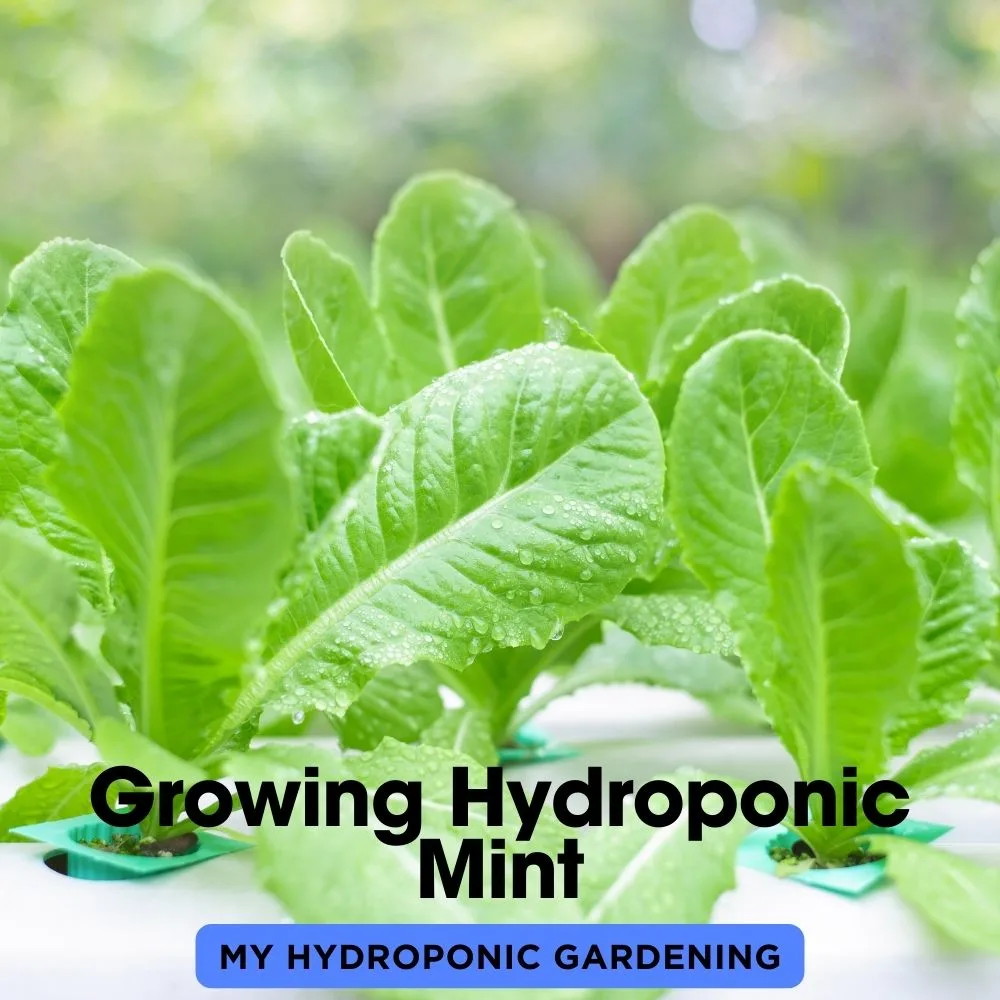
Growing Hydroponic Mint: A Comprehensive Guide
Hydroponic mint cultivation has gained popularity in recent years, offering a modern approach to growing this versatile and beloved herb. This method provides numerous benefits, including faster growth, higher yields, and year-round production. By mastering hydroponic mint growing, you can enjoy fresh, flavorful mint at your fingertips, regardless of the season or your available outdoor space.
Understanding Hydroponic Mint Cultivation
Hydroponic systems allow for precise control over nutrients and growing conditions, resulting in healthier plants and more flavorful harvests. Various hydroponic setups work well for mint, including deep water culture (DWC), nutrient film technique (NFT), and ebb and flow systems. Each has its advantages, but all can successfully grow mint with proper management.
Compared to soil-grown mint, hydroponic mint often grows faster and produces more abundant harvests. It’s also cleaner, less prone to soil-borne diseases, and allows for easier harvesting and maintenance. From an environmental perspective, hydroponic mint production typically uses less water and space than traditional farming methods. It also reduces the need for pesticides and can be done in urban environments, decreasing transportation costs and carbon footprint.
Getting Started with Hydroponic Mint
When choosing a hydroponic setup for mint, consider your space, budget, and experience level. Key components include a growing container, air pump, growing medium, nutrients, pH testing kit, and lighting system. Ensure all materials are food-safe and suitable for hydroponic use.
For beginners, simple DIY setups like the Kratky method or a small deep water culture system can be effective. These can be made with readily available materials and offer a low-cost entry point. As you gain experience, you might consider more advanced systems with automated features.
Water quality is crucial in hydroponics. Use clean, filtered water to prevent contaminants from affecting plant growth. If your tap water has high mineral content, consider investing in a reverse osmosis system for optimal water quality.
Hydroponic systems can be adapted to various spaces, from small countertop units to larger greenhouse setups. Vertical systems can maximize space efficiency, making them ideal for urban or indoor growing.
Mint Varieties and Propagation
Peppermint and spearmint are the most common varieties grown hydroponically. Peppermint is sweeter and often used in desserts and drinks, while spearmint has a more savory profile suitable for cooking. Beyond these, you can explore varieties like chocolate mint, apple mint, or lemon mint, each offering unique flavors and aromas that expand culinary possibilities.
Mint is easily propagated from cuttings. Take 4-6 inch stem cuttings, remove lower leaves, and place them in water or directly in the hydroponic medium. Roots typically develop within 1-2 weeks. If starting from seeds, be aware that mint seeds are tiny and can be challenging to germinate. They require light to germinate, so press them gently onto the surface of your growing medium. Germination can take up to two weeks, so patience is key.
Optimal Growing Conditions
Mint prefers a higher nutrient concentration than many herbs. Aim for an Electrical Conductivity (EC) range of 2.0-2.4 for optimal growth. Use a balanced hydroponic nutrient solution designed for herbs. Maintain pH levels between 5.5 and 6.0 for best nutrient uptake. Regular monitoring and adjustment are crucial for maintaining healthy plants.
Mint thrives with 14-16 hours of light daily. Use full-spectrum LED grow lights to provide adequate intensity and the right spectrum for leafy growth. In terms of temperature, mint prefers cooler conditions between 65-70°F (18-21°C). Maintain humidity levels around 50-60% to prevent issues like powdery mildew while promoting healthy growth.
Care and Maintenance
Regular pruning encourages bushier growth and prevents legginess. Pinch off the top sets of leaves when plants reach 6-8 inches tall to promote branching. While hydroponics reduces pest issues, watch for aphids and spider mites. Use preventive measures like neem oil or introduce beneficial insects if needed.
Monitor water levels regularly and top up as needed. Consider a recirculating system to conserve water and maintain consistent nutrient levels. Regular cleaning prevents algae growth and disease. Clean reservoirs, pumps, and growing containers between crop cycles. Use food-grade hydrogen peroxide for sterilization.
Harvesting and Using Hydroponic Mint
You can start harvesting mint leaves as soon as the plant is established, typically 4-6 weeks after planting. Regular harvesting encourages bushier growth. When harvesting, cut stems just above a leaf intersection, leaving at least 2/3 of the plant intact to continue growing.
Freshly harvested hydroponic mint can be used in a variety of culinary applications, from refreshing beverages like mojitos and mint tea to savory dishes and desserts. It’s also great for aromatherapy and as a natural pest deterrent in gardens.
Potential Downsides and Challenges
While hydroponic mint cultivation offers many advantages, it’s important to be aware of potential challenges:
- Initial setup costs: Hydroponic systems can be more expensive to set up compared to traditional soil gardening.
- Technical knowledge: Successfully managing a hydroponic system requires understanding of nutrient solutions, pH levels, and system maintenance.
- Power dependency: Most hydroponic systems rely on electricity for pumps and lighting. Power outages can be problematic if not addressed quickly.
- Risk of rapid disease spread: While generally cleaner than soil systems, if a disease does occur, it can spread quickly through the shared water system.
- Potential for system failures: Issues like pump failures or nutrient imbalances can quickly affect plant health if not caught and corrected promptly.
- Ongoing costs: Regular purchases of nutrients and potentially higher electricity bills should be considered.
Despite these challenges, many growers find that the benefits of hydroponic mint cultivation far outweigh the drawbacks. With proper management and care, you can enjoy a bountiful supply of fresh, flavorful mint year-round, right from your own hydroponic garden.deners and commercial producers alike. As technology continues to advance, we can expect to see further innovations in hydroponic systems, making this method of cultivation even more accessible and efficient in the future
#1 Recommended Hydroponic Smart Kit | #2 Recommended Hydroponic Smart Kit |
| | |
Summary and FAQs
How often should I harvest my hydroponic mint to promote healthy growth?
For optimal growth, harvest your hydroponic mint every 3-4 weeks. When harvesting, cut stems just above a leaf intersection, leaving at least 2/3 of the plant intact. Regular harvesting encourages bushier growth and prevents the plant from becoming leggy. Always ensure you’re not removing more than 1/3 of the plant at any given time to allow for continuous growth.
What’s the best way to prevent mint from overtaking my entire hydroponic system?
Unlike soil gardens where mint can spread aggressively, hydroponic systems offer better control. However, mint can still grow rapidly. To manage this:
- Use individual net pots or separate chambers for each mint plant.
- Regularly prune roots if they start to extend beyond their designated area.
- Harvest frequently to keep the plant’s size in check.
- Consider using a system with separate channels or containers for different plants.
Can I mix different varieties of mint in the same hydroponic system?
Yes, you can grow different mint varieties in the same hydroponic system, but there are some considerations:
- Ensure all varieties have similar nutrient and pH requirements.
- Keep them in separate net pots or containers to prevent root entanglement.
- Be aware that some varieties might grow faster than others, so monitor and adjust nutrient levels accordingly.
- Label your plants clearly to avoid confusion, especially if the varieties look similar.
How do I address nutrient deficiencies in my hydroponic mint?
To address nutrient deficiencies:
- Regularly monitor your EC (Electrical Conductivity) levels and maintain them between 2.0-2.4 for mint.
- Keep pH levels between 5.5-6.0 for optimal nutrient uptake.
- Look for visual cues: yellowing leaves might indicate nitrogen deficiency, while purple stems could suggest phosphorus deficiency.
- Use a balanced hydroponic nutrient solution designed for herbs and leafy greens.
- If deficiencies persist, consider supplementing with specific nutrients based on the symptoms observed.
Is it necessary to use artificial lighting for growing hydroponic mint indoors?
- While mint can grow in partial shade, for optimal growth in an indoor hydroponic setup, artificial lighting is highly recommended. Here’s why:
- Mint thrives with 14-16 hours of light daily, which is difficult to achieve with natural light alone, especially in winter months.
- Consistent lighting ensures steady growth and flavor development.
- Full-spectrum LED grow lights provide the right intensity and spectrum for leafy growth.
- Artificial lighting allows you to control the light cycle precisely, which can help prevent flowering and maintain leaf production. If you’re growing near a very sunny window, you might be able to supplement with natural light, but most indoor setups will benefit significantly from dedicated grow lights.