Ebb and Flow Hydroponics | Best Hydroponics
Ebb and flow hydroponics is an efficient, automated irrigation method for soilless plant cultivation. This system periodically floods plants with nutrient-rich water before draining it back into a reservoir, optimizing nutrient uptake and root oxygenation. Key advantages include energy efficiency, versatility in plant types, and scalability from small to large operations. Components typically include growing trays, a reservoir, a pump, a timer, and connecting tubes.
While offering benefits like water conservation and precise nutrient control, ebb and flow systems also present challenges such as potential rapid pH changes and the risk of widespread disease transmission. Recent innovations incorporate IoT and AI for enhanced monitoring and control. Despite requiring careful management, ebb and flow hydroponics remains an attractive option for both hobbyists and commercial growers due to its high yield potential and adaptability. As technology advances, this method is poised to play a significant role in urban agriculture and food security initiatives.
#1 Recommended Hydroponic Smart Kit | #2 Recommended Hydroponic Smart Kit |
 |  |
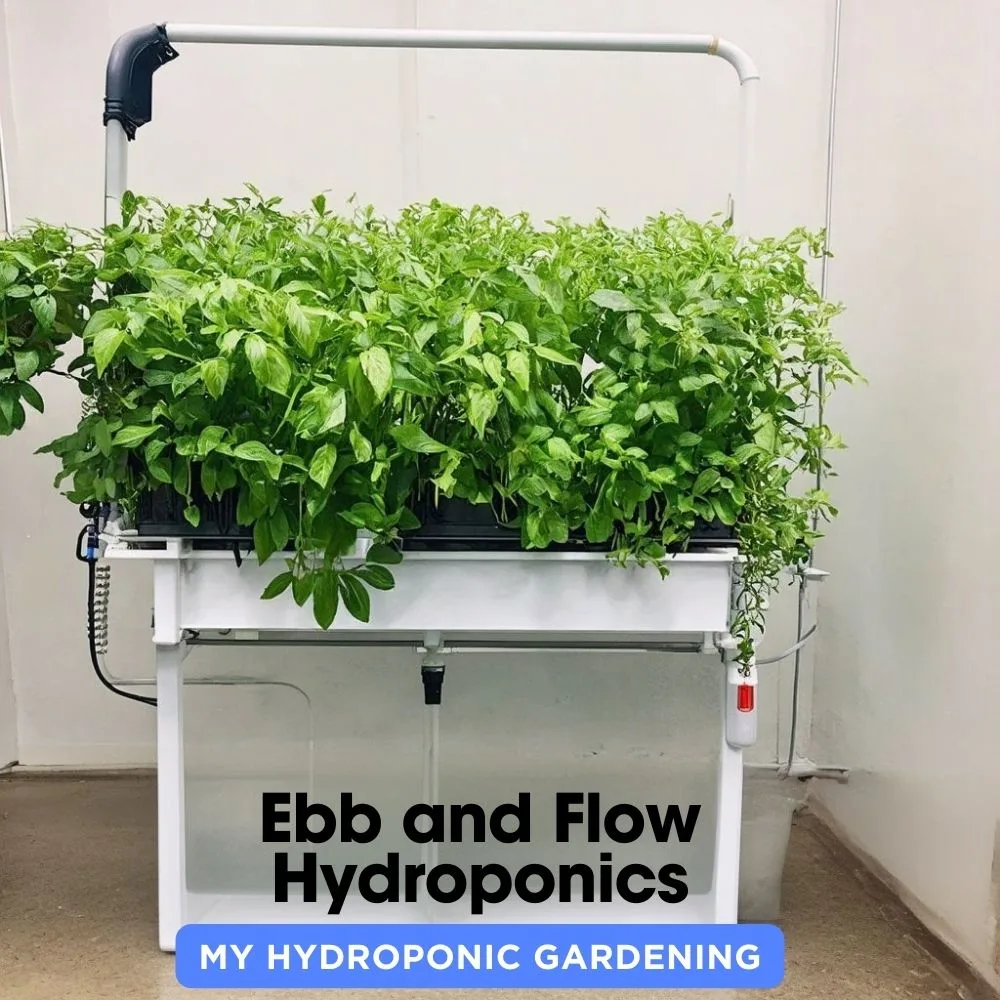
Ebb and Flow Hydroponics: The Automated Irrigation Revolution
Ebb and flow hydroponics, also known as flood and drain systems, represents a cutting-edge approach to soilless plant cultivation. This method has gained significant traction in recent years due to its efficiency and adaptability. In an ebb-and-flow system, plants are periodically flooded with nutrient-rich water, which is then drained back into a reservoir, creating a cyclical process that optimizes nutrient uptake and oxygenation.
The Principle Behind Ebb and Flow
The core principle behind ebb and flow hydroponics is the alternation between flooding and draining phases. During the flood cycle, plants receive a concentrated dose of nutrients, while the drain cycle allows roots to access oxygen, promoting robust growth. This rhythmic process mimics natural water table fluctuations, creating an ideal environment for plant development.
Energy Efficiency: A Key Advantage
One of the primary advantages of ebb and flow systems is their energy efficiency. Unlike continuous flow systems, pumps in ebb and flow setups operate intermittently, significantly reducing electricity consumption. This not only lowers operational costs but also minimizes the environmental impact of hydroponic cultivation.
Versatility in Plant Cultivation
Versatility is another key benefit of ebb and flow hydroponics. These systems can accommodate a wide range of plant sizes and types, from compact herbs to larger fruiting plants. The ability to easily scale from small hobby setups to large commercial operations makes ebb and flow an attractive option for growers at all levels.
Comparison with Other Hydroponic Methods
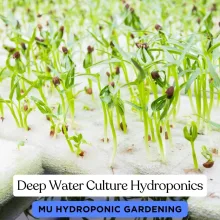
Compared to other hydroponic methods like Nutrient Film Technique (NFT) or Deep Water Culture (DWC), ebb and flow systems offer distinct advantages. They provide better oxygenation to roots than DWC and are less prone to system failures than NFT. However, it’s worth noting that ebb and flow systems may require a more complex initial setup than simpler methods like DWC.
Evolution of Ebb and Flow Systems
The modern ebb and flow system has evolved significantly since its conceptual roots in ancient agricultural practices like the flooding of the Nile delta. Technological advancements in pump design, timing mechanisms, and sensor technology have revolutionized these systems, allowing for precise control and automation.
Components of an Ebb and Flow System
A typical ebb and flow setup consists of several key components. The growing tray or individual pots house the plants and growing medium. A reservoir stores the nutrient solution, while a submersible pump moves the solution to the growing area. A timer controls the flood and drain cycles, and connecting tubes facilitate water movement. Advanced systems may incorporate air stones for additional oxygenation, sophisticated drainage systems, and an array of sensors for monitoring water levels, pH, and nutrient concentrations.
The Flood and Drain Cycle
The flood and drain cycle is the heart of an ebb and flow system. When the timer activates the pump, nutrient solution floods the growing area. Plants absorb water and nutrients during this period. After a set interval, the pump shuts off, and the solution drains back into the reservoir. This drainage phase draws oxygen to the roots, promoting healthy growth and preventing waterlogging.
Water Efficiency: A Sustainable Approach
One of the standout features of ebb and flow systems is their water efficiency. By recirculating the nutrient solution, these systems significantly reduce water waste compared to traditional irrigation methods. This makes them particularly attractive in regions facing water scarcity or for growers looking to minimize their environmental footprint.
The Importance of Growing Media
The choice of growing medium plays a crucial role in ebb and flow hydroponics. Common options include expanded clay pebbles (hydroton), rockwool, coco coir, and perlite. Each medium has unique properties affecting water retention, aeration, and nutrient availability. This allows growers to tailor their system to specific plant needs and environmental conditions.
Recent Innovations in Ebb and Flow Technology
Recent innovations have further enhanced the capabilities of ebb and flow systems. Integration with Internet of Things (IoT) technology allows for remote monitoring and control, enabling growers to manage their systems from anywhere. Artificial intelligence and machine learning algorithms are being employed to optimize nutrient delivery and environmental conditions, maximizing yield and quality.
Challenges and Downsides
Despite its many advantages, ebb and flow hydroponics is not without challenges. The reliance on pumps and timers means that power outages or equipment failures can quickly become critical issues. The system’s complexity compared to soil-based growing may also present a steeper learning curve for novice growers.
Managing pH and Nutrient Levels
Another potential downside is the risk of rapid pH and nutrient concentration changes in the reservoir. As water evaporates and plants uptake nutrients, the solution’s composition can shift quickly, requiring regular monitoring and adjustment. This need for vigilant maintenance can be time-consuming, especially in larger operations.
Disease Management in Ebb and Flow Systems
Root diseases can also spread more rapidly in ebb and flow systems compared to some other hydroponic methods. The shared nutrient solution means that pathogens can quickly affect multiple plants if not promptly addressed. Implementing strict sanitation protocols and potentially using beneficial microorganisms can help mitigate this risk.
Weighing the Pros and Cons
Despite these challenges, the benefits of ebb and flow hydroponics often outweigh the drawbacks for many growers. The system’s efficiency, versatility, and potential for automation make it an attractive option in a world increasingly focused on sustainable and high-yield agriculture.
The Future of Ebb and Flow Hydroponics
Looking to the future, ebb and flow hydroponics is poised to play a significant role in urban agriculture and food security initiatives. Its ability to produce high yields in limited spaces makes it ideal for rooftop gardens and indoor vertical farms. As climate change continues to impact traditional agriculture, the controlled environment offered by ebb and flow systems could become increasingly valuable.
Conclusion
In conclusion, ebb and flow hydroponics represent a powerful tool in the modern grower’s arsenal. While it requires careful management and initial investment, its potential for high yields, water efficiency, and adaptability make it a compelling choice for both hobbyists and commercial producers. As technology continues to advance, we can expect even more innovative applications of this versatile hydroponic method, further cementing its place in the future of agriculture.
#1 Recommended Hydroponic Smart Kit | #2 Recommended Hydroponic Smart Kit |
| | |
Summary and FAQs
How often should I flood my ebb and flow system, and for how long?
The frequency and duration of flooding in an ebb-and-flow hydroponic system can vary depending on several factors. Here’s a general guideline:
Flooding Frequency:
- Young plants or seedlings: 2-3 times per day
- Mature plants: 4-6 times per day
- During peak growing periods or hot weather: Up to 8-10 times per day
Flood Duration:
- Typically 5-15 minutes per flood cycle
Factors affecting flood schedule:
- Plant size and type
- Growing medium used
- Environmental conditions (temperature, humidity, light intensity)
- Stage of plant growth
Key considerations:
- Ensure the growing medium has time to drain and aerate between floods
- Adjust the frequency based on plant appearance and root health
- Monitor moisture levels in the growing medium
- Increase frequency during hot weather or intense light periods
- Reduce frequency if plants show signs of overwatering
Remember, these are general guidelines. It’s crucial to observe your plants and adjust the flood schedule accordingly. Start with fewer cycles and gradually increase as plants grow and demand more nutrients. Use timers to automate the process for consistency.
What are the best-growing media to use in an ebb and flow hydroponic system?
The best growing media for an ebb and flow hydroponic system should provide adequate water retention, good aeration, and proper drainage. Here are some of the most popular and effective options:
- Expanded Clay Pebbles (Hydroton):
• Excellent drainage and aeration
• Reusable and pH neutral
• Lightweight and easy to work with
• May require more frequent flooding due to low water retention - Rockwool:
• Great water retention and aeration balance
• Sterile and pH neutral
• Excellent for seedlings and cuttings
• Not biodegradable, which can be an environmental concern - Coco Coir:
• Good water retention and aeration
• Environmentally friendly and biodegradable
• pH neutral and disease-resistant
• May require additional calcium and magnesium supplements - Perlite:
• Excellent aeration and drainage
• Lightweight and sterile
• Often mixed with other media for better water retention
• Can float when flooded if used alone - Growstones:
• Made from recycled glass
• Good balance of water retention and aeration
• Environmentally friendly alternative to perlite
• May have inconsistent pH levels - Mixture of Media:
• Combining media types can optimize growing conditions
• Common mix: 50% coco coir, 25% perlite, 25% vermiculite
Factors to consider when choosing:
- Plant type and size
- Frequency of flood cycles
- Environmental conditions
- Reusability and environmental impact
- Cost and availability
Each medium has its pros and cons, so it’s important to consider your specific needs and experiment to find the best option for your system and plants. Many growers find success with a mixture of media to balance water retention and aeration.
How do I prevent or manage root diseases in an ebb and flow setup?
Preventing and managing root diseases in an ebb and flow hydroponic system is crucial for maintaining healthy plants and ensuring optimal yields. Here are several strategies to help prevent and manage root diseases:
- Maintain proper sanitation:
• Clean and disinfect all equipment regularly
• Use sterile growing media
• Wash hands and tools before handling plants
• Remove any dead plant material promptly - Ensure good oxygenation:
• Use air stones in the reservoir to increase dissolved oxygen
• Ensure proper drainage between flood cycles
• Don’t overwater – allow roots to access oxygen between floods - Control water temperature:
• Keep reservoir water between 18-22°C (65-72°F)
• Use water chillers in warmer climates if necessary - Maintain proper pH and nutrient levels:
• Keep pH between 5.5-6.5 for most plants
• Monitor and adjust nutrient concentrations regularly
• Use high-quality nutrients and change solution regularly - Implement beneficial microorganisms:
• Use products containing beneficial bacteria and fungi
• These can outcompete pathogens and boost plant immunity - Monitor and maintain proper humidity:
• High humidity can promote fungal growth
• Use dehumidifiers or improve air circulation if needed - Use disease-resistant plant varieties:
• Choose plants bred for resistance to common hydroponic diseases - Implement a quarantine system:
• Isolate new plants before introducing them to your main system
• Monitor for signs of disease before integration - Use UV sterilization or hydrogen peroxide:
• UV sterilizers can kill pathogens in the nutrient solution
• Hydrogen peroxide can be added to the reservoir to increase oxygenation and kill pathogens - Regular inspection:
• Check roots regularly for discoloration, sliminess, or foul odors
• Address any issues immediately - Proper plant spacing:
• Avoid overcrowding to improve air circulation - Use of organic fungicides:
• As a last resort, use approved organic fungicides for hydroponic systems
Remember, prevention is key in managing root diseases. Regular monitoring and maintenance of your system will go a long way in keeping your plants healthy. If you do encounter a disease, act quickly to identify the problem and implement appropriate management strategies to prevent its spread.
Can I grow different types of plants together in the same ebb and flow system?
Yes, you can grow different types of plants together in the same ebb and flow system, but it requires careful planning and consideration. Here are some key points to keep in mind:
- Nutrient requirements:
• Choose plants with similar nutrient needs
• Leafy greens often work well together
• Mixing fruiting plants with leafy greens can be challenging due to different nutrient needs - Growth rates:
• Group plants with similar growth rates to prevent shading
• Fast-growing plants may outcompete slower-growing ones - Root systems:
• Consider root size and depth requirements
• Shallow-rooted plants (e.g., lettuce) can be grown alongside deeper-rooted plants (e.g., tomatoes) - Plant size:
• Ensure larger plants don’t overshadow smaller ones
• Plan spacing accordingly - pH preferences:
• Group plants with similar pH requirements
• Most plants prefer a pH range of 5.5-6.5 - Pest and disease susceptibility:
• Avoid mixing plants that are prone to the same pests or diseases - Harvest times:
• Consider grouping plants with similar harvest cycles - Temperature preferences:
• Ensure all plants in the system thrive in the same temperature range - Light requirements:
• Group plants with similar light needs - Allelopathy:
• Be aware of plants that may inhibit the growth of others through chemical interactions
Examples of compatible plant groupings:
- Leafy greens: Lettuce, spinach, kale, Swiss chard
- Herbs: Basil, cilantro, parsley, mint
- Fruiting plants: Tomatoes, peppers, eggplants (require similar conditions)
Challenges to consider:
- Maintaining optimal nutrient balance for all plants
- Managing different watering needs
- Preventing cross-contamination of pests or diseases
Tips for success:
- Start with a few compatible plants and expand gradually
- Monitor plant health closely and adjust as needed
- Use adjustable lighting or plant placement to accommodate different light needs
- Consider using separate reservoirs for plants with very different nutrient needs
While growing different plants together can be more complex, it can also lead to more efficient use of space and resources. With careful planning and management, you can create a diverse and productive ebb and flow system.
What are the energy requirements for running an ebb and flow hydroponic system compared to other hydroponic methods?
Ebb and flow hydroponic systems are generally considered to be among the more energy-efficient hydroponic methods. Here’s a comparison of energy requirements for ebb and flow systems versus other common hydroponic techniques:
Ebb and Flow Energy Requirements:
- Main energy use: Submersible pump for periodic flooding
- Pump runs intermittently (typically 5-15 minutes, 4-6 times per day)
- Timer for controlling flood cycles
- Optional air stone in reservoir
Comparison with other systems:
- Deep Water Culture (DWC):
• Requires constant air pump operation (24/7)
• Generally higher energy consumption than ebb and flow - Nutrient Film Technique (NFT):
• Requires continuous water pump operation
• Often higher energy consumption than ebb and flow - Drip Systems:
• Continuous or frequent pump operation
• Comparable or slightly higher energy use than ebb and flow - Aeroponics:
• High-pressure pumps running frequently
• Generally higher energy consumption than ebb and flow - Wicking Systems:
• Passive systems with minimal energy requirements
• Lower energy use than ebb and flow, but less control and often lower yields
Factors affecting energy consumption in ebb and flow:
- System size
- Pump efficiency
- Flood frequency and duration
- Use of additional equipment (air stones, fans, etc.)
Energy-saving tips for ebb and flow systems:
- Use energy-efficient pumps
- Optimize flood cycles to minimize pump runtime
- Ensure proper system design to reduce pumping requirements
- Use timers to automate and optimize operation
- Consider solar power for off-grid or energy-saving setups
Additional considerations:
- Lighting often consumes more energy than the hydroponic system itself
- Climate control (heating/cooling) can significantly impact overall energy use
In conclusion, ebb and flow systems are generally more energy-efficient than many other active hydroponic methods due to their intermittent pump operation. However, the exact energy consumption can vary based on system design, plant needs, and environmental factors. When considering overall energy use in hydroponics, it’s important to factor in lighting and climate control, which often account for a larger portion of energy consumption than the hydroponic system itself.