Hydroton Clay Pebbles For Hydroponic System | Best Hydroponics
Hydroton clay pebbles are a popular growing medium for hydroponic systems, offering excellent aeration, drainage, and root support. Made by heating and expanding natural clay, these pH-neutral, chemically inert pebbles range from 8-16mm in diameter. They provide numerous benefits, including reusability, temperature regulation, and pH stability. However, they also have limitations such as lower water holding capacity and higher initial costs.
Hydroton is versatile, working well in various hydroponic setups like ebb and flow and Dutch bucket systems. Best practices include thorough rinsing before use, regular cleaning, and monitoring irrigation frequency. Many plants thrive in Hydroton-based systems, particularly leafy greens, herbs, and fruiting plants. While environmentally friendly due to its long lifespan and recyclability, Hydroton requires careful consideration of system design and plant needs. Overall, it offers a unique combination of benefits that can contribute to successful hydroponic cultivation when used appropriately.
#1 Recommended Hydroponic Smart Kit | #2 Recommended Hydroponic Smart Kit |
 |  |
Hydroton Clay Pebbles: A Comprehensive Guide for Hydroponic Systems
Hydroton clay pebbles, also known as LECA (Lightweight Expanded Clay Aggregate) or expanded clay pellets, have become a popular growing medium in hydroponic systems. These small, rounded pellets offer a unique combination of properties that make them well-suited for soilless cultivation. In this comprehensive guide, we’ll explore the benefits, challenges, and best practices for using Hydroton in hydroponic setups.
What Are Hydroton Clay Pebbles?
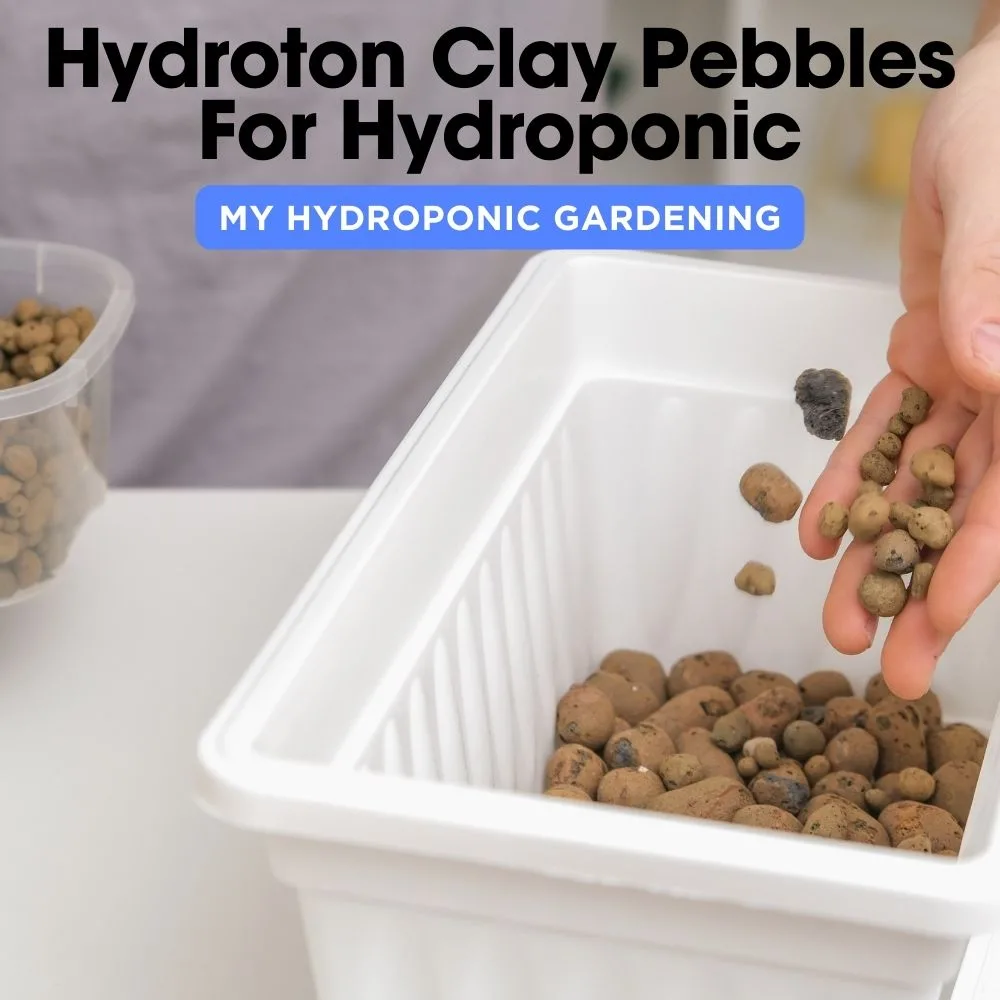
Hydroton clay pebbles are manufactured by heating natural clay in rotary kilns at high temperatures. This process causes the clay to expand and form small, porous pellets, typically ranging from 8-16mm in diameter. The result is a lightweight, pH-neutral, and chemically inert growing medium that provides excellent drainage and aeration for plant roots.
Physical Properties and Benefits
The unique structure of Hydroton clay pebbles offers several advantages for hydroponic growers:
- Excellent Aeration: The high pore space between pebbles allows for superior oxygen flow to plant roots, promoting healthy growth and reducing the risk of root rot.
- Effective Drainage: The large spaces between pebbles prevent water logging and ensure efficient nutrient solution circulation.
- pH Stability: Being chemically inert, Hydroton doesn’t affect the pH of your nutrient solution, making it easier to maintain optimal growing conditions.
- Root Support: The pebbles provide sturdy support for plant roots, encouraging strong root development.
- Reusability: Unlike some other hydroponic media, Hydroton can be cleaned and reused for multiple growing cycles, making it a cost-effective long-term solution.
- Temperature Regulation: The pebbles offer some insulation for plant roots, helping to maintain a stable root zone temperature.
Challenges and Limitations
While Hydroton offers numerous benefits, it’s important to consider its limitations:
- Lower Water Holding Capacity: Compared to some other media, Hydroton has a relatively low water holding capacity. This means more frequent irrigation may be necessary, especially for water-hungry plants or in hot climates.
- Initial Cost: The upfront cost of Hydroton can be higher than some alternatives. However, its reusability often leads to long-term savings.
- Potential Plumbing Issues: When new, Hydroton pebbles tend to float, which can potentially cause problems with pumps or plumbing. This issue typically resolves as the pebbles become fully saturated over time.
- Weight When Saturated: While lightweight when dry, Hydroton becomes significantly heavier when saturated. This should be considered when designing system support structures.
Using Hydroton in Hydroponic Systems
Hydroton clay pebbles are versatile and can be used in various hydroponic setups:
- Ebb and Flow Systems: Hydroton works exceptionally well in ebb and flow (flood and drain) systems due to its excellent drainage properties.
- Dutch Bucket Systems: The pebbles provide great support and aeration in Dutch bucket setups, making them popular for growing larger plants like tomatoes or peppers.
- Deep Water Culture (DWC): While not as common, Hydroton can be used as a top layer in DWC systems to provide additional support and prevent algae growth.
- Nutrient Film Technique (NFT): Hydroton can be used to start seedlings or support young plants before transferring them to NFT channels.
Best Practices for Using Hydroton
To maximize the benefits of Hydroton clay pebbles in your hydroponic system:
- Rinse Thoroughly: Before first use, rinse the pebbles to remove any dust or debris that could clog your system.
- Pre-soak: Soak the pebbles in pH-balanced water for 24 hours before use to ensure they’re fully saturated.
- Monitor Irrigation: Due to the lower water holding capacity, you may need to irrigate more frequently than with other media.
- Regular Cleaning: Between crop cycles, clean and sterilize the pebbles to prevent disease buildup and maintain optimal growing conditions.
- pH Monitoring: While Hydroton itself is pH neutral, monitor your nutrient solution regularly as pH can change over time due to plant uptake and microbial activity.
Ideal Crops for Hydroton-based Systems
Many plants thrive in Hydroton-based hydroponic systems, particularly those that benefit from well-aerated roots. Some examples include:
- Leafy Greens: Lettuce, spinach, and kale do well in Hydroton systems.
- Herbs: Basil, cilantro, and parsley thrive in the well-drained environment.
- Fruiting Plants: Tomatoes, peppers, and cucumbers can be successfully grown using Hydroton.
- Cannabis: Many cannabis growers prefer Hydroton for its excellent aeration properties.
However, plants with very high water requirements or those sensitive to moisture fluctuations may require careful management in Hydroton-based systems.
Environmental Considerations
Hydroton is generally considered an environmentally friendly option for several reasons:
- Long Lifespan: The pebbles can be reused for many growing cycles, reducing waste.
- Energy Efficiency: When used correctly, Hydroton can contribute to water and energy efficiency in hydroponic systems.
- Recyclability: At the end of its useful life, Hydroton can often be recycled or repurposed in landscaping or construction applications.
Cost Analysis
While the initial investment in Hydroton may be higher than some alternatives, its reusability often leads to long-term savings. When comparing costs, consider:
- Lifespan: Hydroton can last for many growing cycles with proper care.
- Required Volume: Calculate how much media you’ll need for your specific system.
- Additional Equipment: Factor in any extra irrigation equipment needed due to Hydroton’s drainage properties.
Special Applications
Beyond traditional hydroponics, Hydroton has found use in other growing applications:
- Aquaponics: Hydroton provides an excellent environment for beneficial bacteria in aquaponic systems.
- Container Gardening: Some gardeners use Hydroton as a component in potting mixes for plants requiring excellent drainage.
- Orchid Growing: The excellent aeration properties make Hydroton popular among orchid enthusiasts.
Conclusion: Is Hydroton Right for Your Hydroponic System?
Hydroton clay pebbles offer a unique combination of benefits that make them attractive for many hydroponic growers, especially those operating small to medium-scale systems. The excellent aeration, root support, and reusability often outweigh the drawbacks for many crops and setups.
However, the decision to use Hydroton should be based on your specific needs. Consider your crop types, system design, climate, and long-term operational goals. For growers willing to manage irrigation carefully and invest in a reusable medium, Hydroton can provide an excellent foundation for a successful hydroponic operation.
As with any growing medium, success with Hydroton comes down to understanding its properties and adapting your growing practices accordingly. By leveraging its strengths and mitigating its limitations, you can create an optimal environment for healthy, productive plants in your hydroponic system.
#1 Recommended Hydroponic Smart Kit | #2 Recommended Hydroponic Smart Kit |
| | |
Summary and FAQs
How often do I need to water plants grown in Hydroton clay pebbles?
The frequency of watering depends on various factors such as plant type, growth stage, climate, and system design. Generally, you’ll need to water more frequently than with soil or some other hydroponic media due to Hydroton’s lower water holding capacity. Monitor your plants closely and adjust irrigation as needed. Many growers find that watering 3-6 times per day works well, but this can vary. Use the appearance of your plants and the moisture level of the Hydroton as guides.
Can I reuse Hydroton clay pebbles, and if so, how do I clean them?
Yes, one of the main advantages of Hydroton is its reusability. To clean them:
- Remove any plant debris and roots.
- Rinse thoroughly with clean water to remove loose particles.
- Soak in a mixture of water and hydrogen peroxide (1 part 3% hydrogen peroxide to 9 parts water) for about 30 minutes to disinfect.
- Rinse again with clean water.
- Allow to dry completely before reusing or storing. This process helps prevent the spread of diseases between crop cycles.
Are Hydroton clay pebbles suitable for all types of hydroponic systems?
Hydroton is versatile and can be used in many hydroponic systems, but it’s particularly well-suited for certain types. It works excellently in ebb and flow (flood and drain) systems and Dutch bucket setups. It can also be used in deep water culture as a top layer, and for starting seedlings in various systems. However, it may not be the best choice for vertical systems or those requiring very lightweight media. Always consider your specific system design and plant needs when choosing a growing medium.
Do I need to add anything to Hydroton clay pebbles before using them in my hydroponic system?
Each medium has its pros and cons:
- Hydroton offers excellent aeration and drainage, is reusable, and provides good root support. However, it has lower water retention and a higher initial cost.
- Rockwool has good water retention and is sterile, but it’s not reusable and can be difficult to dispose of environmentally.
- Coco coir has good water retention and is biodegradable, but it can break down over time and may require more frequent replacement. The choice depends on your specific needs, system design, and the types of plants you’re growing.
Do I need to add anything to Hydroton clay pebbles before using them in my hydroponic system?
Before first use, you should:
- Rinse the pebbles thoroughly to remove dust and debris.
- Soak them in pH-balanced water for 24 hours to ensure they’re fully saturated. You don’t need to add any nutrients to the pebbles themselves, as they’re an inert medium. All necessary nutrients will be provided through your hydroponic nutrient solution. Some growers choose to add beneficial bacteria to their system, which can colonize the surface of the Hydroton, but this is optional and depends on your specific growing strategy.