Hydroponic Growing Media | Best Hydroponics
Hydroponic growing media play a crucial role in soil-less plant cultivation, offering numerous benefits such as water efficiency, faster growth rates, and higher yields. Popular media options include rockwool, clay pebbles, coco coir, perlite, and vermiculite, each with unique properties suited to different hydroponic systems and crops. When selecting media, growers must consider factors like water retention, aeration, pH stability, and environmental impact.
While hydroponics presents challenges such as a steep learning curve and higher initial costs, proper media management can lead to successful cultivation. The future of hydroponic media looks promising, with trends toward more sustainable options and the integration of smart technologies. Despite some downsides, like potential environmental waste from non-biodegradable media, hydroponics remains an attractive option for both commercial and hobby growers due to its efficiency and precise control over plant nutrition.
#1 Recommended Hydroponic Smart Kit | #2 Recommended Hydroponic Smart Kit |
 |  |
Hydroponic Growing Media – The Ultimate Guide
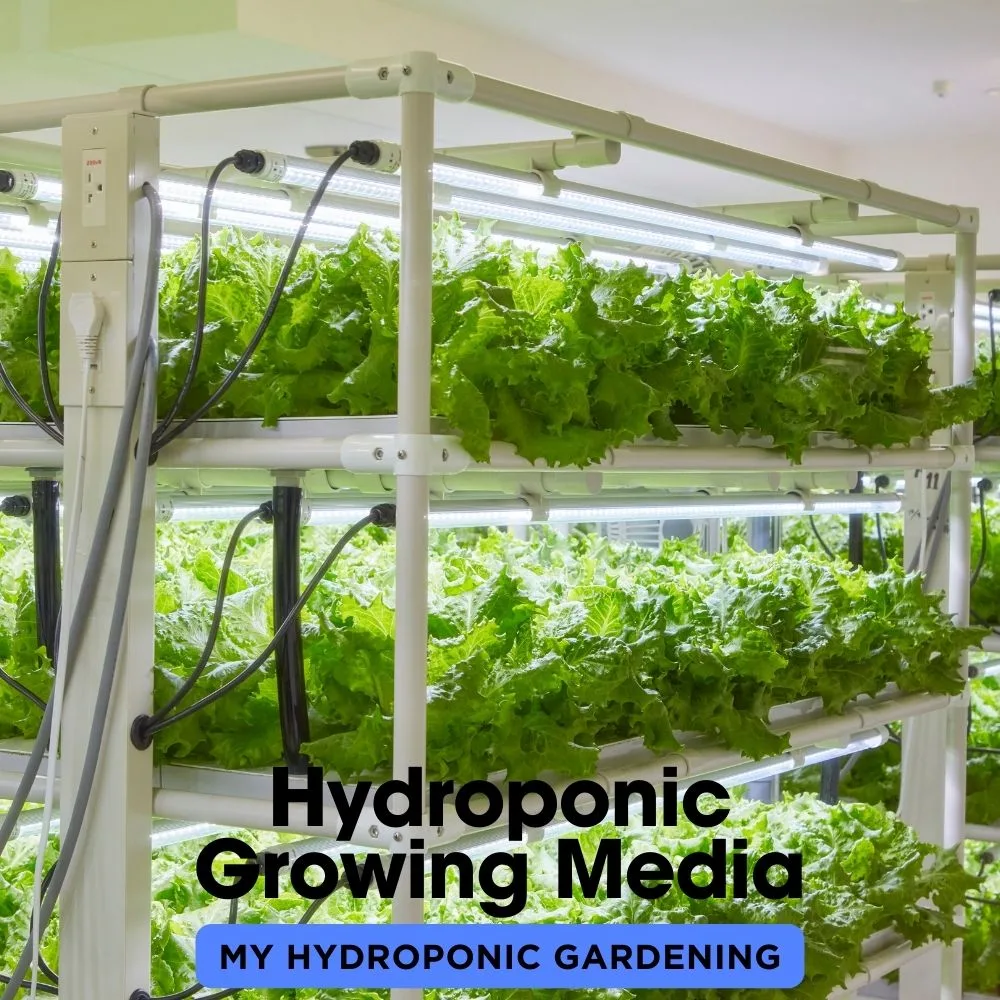
Hydroponics, a revolutionary method of cultivating plants without soil, has gained significant traction in recent years. This soil-less technique involves growing plants in nutrient-rich water solutions, offering precise control over plant nutrition and environmental factors. As we delve into the world of hydroponic growing media, it’s essential to understand that these media play a crucial role in supporting plant roots, balancing moisture and oxygen, and influencing overall crop success.
A Brief History of Hydroponics
The history of hydroponics dates back to ancient civilizations, but modern hydroponics emerged in the early 20th century, pioneered by scientists like William Frederick Gericke. Today, hydroponic techniques are widely used in both commercial and hobbyist applications, offering A Brief History of Hydroponicsbenefits over traditional soil-based agriculture.
The Water Efficiency Advantage
One of the primary advantages of hydroponics is its exceptional water efficiency. Hydroponic systems can use up to 90% less water than conventional farming methods, making it an attractive option in water-scarce regions. This efficiency is achieved through recirculating systems and precise control over water delivery.
Accelerated Growth and Higher Yields
Additionally, hydroponic cultivation often results in faster growth rates and higher yields. Plants grown hydroponically can focus their energy on growth rather than extensive root development for nutrient search, leading to more productive crops. The ability to tailor nutrient solutions to specific crop needs at different growth stages also contributes to optimized plant health and improved crop quality.
Challenges for New Growers
However, it’s important to note that hydroponics is not without its challenges. New growers often face a steep learning curve, needing to familiarize themselves with system maintenance, nutrient management, and potential issues like pH imbalances or equipment failures. The initial investment for setting up a hydroponic system can also be higher than traditional soil gardening, although the long-term benefits in yield and efficiency can offset these costs.
Popular Hydroponic Growing Media
When it comes to hydroponic growing media, there are numerous options available, each with its own set of characteristics. Some of the most popular media include:
- Rockwool: Made from spun rock fibers, rockwool offers excellent water retention and aeration properties. However, it requires pre-treatment to adjust pH and is not biodegradable.
- Clay pebbles (LECA): These provide good aeration and drainage while being reusable. They’re pH neutral and suitable for various hydroponic systems.
- Coco coir: Derived from coconut husks, coco coir offers good water retention and aeration. It’s biodegradable and renewable, making it an environmentally friendly option.
- Perlite: This lightweight, porous volcanic rock provides excellent aeration and drainage. It’s often used in mixes with other media.
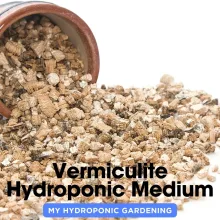
- Vermiculite: A mineral that expands when heated, vermiculite creates a lightweight medium with high water retention.
- Oasis cubes: These synthetic foam cubes are particularly popular for seed starting and cutting propagation.
- Growstones: Made from recycled glass, growstones provide excellent aeration and are lighter than clay pebbles.
Factors to Consider When Choosing Growing Media
When choosing a growing medium, several factors need to be considered:
- Water retention capacity: Media with high water retention, like rockwool, require less frequent watering but may increase the risk of overwatering.
- Aeration and oxygen retention: Proper aeration is crucial for root health. Media like clay pebbles or perlite excel in this aspect.
- pH neutrality and stability: pH-neutral media are preferred as they don’t interfere with nutrient availability.
- Nutrient holding capacity: Some media can retain nutrients, acting as a buffer. This can be beneficial but may also make it harder to adjust nutrient levels quickly.
- Support for plant roots: Media should provide adequate support, especially for larger plants.
- Reusability and longevity: Reusable media like clay pebbles can be more cost-effective in the long run.
- Environmental impact: The production, use, and disposal of media should be considered. Some growers prefer biodegradable options like coco coir, while others prioritize long-lasting, reusable media.
Matching Media to Crops
It’s crucial to note that different crops may perform better with specific types of media. For instance, leafy greens often do well in media with good water retention, such as rockwool or coco coir. Fruiting plants, on the other hand, may benefit from media with excellent drainage and aeration, like clay pebbles or perlite.
Potential Downsides of Hydroponic Media
While hydroponic growing media offer numerous advantages, they also come with potential downsides. Some media, like rockwool, are not biodegradable and can contribute to environmental waste. Others may require frequent replacement, adding to ongoing costs. Certain media can also be prone to harboring pests or diseases if not properly maintained or sterilized between uses.
Best Practices for Media Management
Proper management of hydroponic media is essential for success. This includes appropriate preparation techniques, such as rinsing or pre-soaking, regular maintenance to prevent issues like salt build-up or algae growth, and proper disposal or recycling of used media.
Future Trends in Hydroponic Growing Media
As we look to the future of hydroponic cultivation, several trends are emerging in growing media. There’s increasing interest in developing more environmentally friendly options, including biodegradable media and those made from recycled materials. Innovations in synthetic media are also ongoing, with research focusing on improving properties like water retention and microbial activity.
The Integration of Smart Technologies
One exciting development is the integration of smart technologies with growing media. Future media may incorporate sensors to provide real-time data on moisture levels, nutrient content, and root health, further optimizing hydroponic systems.
Conclusion
In conclusion, the choice of growing media is a critical factor in successful hydroponic cultivation. While there are challenges to overcome, the benefits of hydroponics – including water efficiency, increased yields, and precise control over plant nutrition – make it an increasingly attractive option for both commercial and hobby growers. As technology continues to advance and our understanding of plant needs deepens, we can expect to see even more innovative and efficient hydroponic growing media in the future.
#1 Recommended Hydroponic Smart Kit | #2 Recommended Hydroponic Smart Kit |
| | |
Summary and FAQs
What is the best growing media for hydroponics?
There’s no single “best” media for all hydroponic systems. The ideal choice depends on factors like the type of system, crop being grown, and specific growing conditions. However, popular options include rockwool, clay pebbles (LECA), coco coir, and perlite. Each has its own advantages in terms of water retention, aeration, and reusability. It’s often beneficial to experiment with different media or combinations to find what works best for your specific setup.
How often should I replace my hydroponic growing media?
The frequency of replacement varies depending on the type of media used. Some media, like clay pebbles, can be reused for several growing cycles if properly cleaned and sterilized between uses. Others, like rockwool, are typically used for a single growing cycle. Coco coir can often last for 2-3 growing cycles. Always monitor your media for signs of degradation, compaction, or pest issues, which might necessitate earlier replacement.
Can I mix different types of hydroponic growing media?
Yes, mixing different types of media is a common practice in hydroponics. This allows growers to combine the beneficial properties of multiple media. For example, mixing perlite with coco coir can improve drainage and aeration while maintaining good water retention. However, it’s important to consider how the different media will interact and affect factors like pH and nutrient retention.
How do I maintain the proper pH in my hydroponic growing media?
Maintaining proper pH is crucial in hydroponics. Start by using pH-neutral media or adjusting the pH of your media before use. Regularly test the pH of your nutrient solution and adjust as necessary using pH up or down solutions. Some media, like coco coir, can affect pH over time, so more frequent monitoring may be required. Aim to keep the pH between 5.5 and 6.5 for most hydroponic crops.
Are there any environmentally friendly options for hydroponic growing media?
Yes, there are several environmentally friendly options for hydroponic media. Coco coir is biodegradable and made from a renewable resource. Rice hulls and other agricultural by-products are also gaining popularity as sustainable options. Reusable media like clay pebbles have a lower environmental impact over time. Additionally, new innovations are focusing on creating biodegradable synthetic media or using recycled materials. When choosing media, consider both its performance in your system and its environmental impact.