Perlite Hydroponic Medium | Best Hydroponics
Perlite is a versatile and efficient growing medium for hydroponic systems, popular among hobbyist gardeners and commercial growers. This volcanic glass derivative offers numerous benefits, including excellent aeration, water retention, and sterility. Its neutral pH and stability make it ideal for precise nutrient management. Perlite outperforms many alternatives, resisting compaction and providing consistent performance across various hydroponic setups. It’s particularly effective for crops like tomatoes, lettuce, and strawberries.
Available in different grades, perlite can be adapted to various system types and plant growth stages. Proper preparation and maintenance are crucial for optimal results. While perlite offers significant advantages, it’s important to consider potential drawbacks such as dust production and rapid drying in certain conditions. As hydroponics continues to evolve, perlite remains a key component, with ongoing research exploring ways to enhance its performance. Its combination of benefits makes it a cornerstone of successful soilless cultivation worldwide.
#1 Recommended Hydroponic Smart Kit | #2 Recommended Hydroponic Smart Kit |
 |  |

Perlite Hydroponic Medium: A Comprehensive Guide for Modern Growers
In the ever-evolving world of agriculture and horticulture, hydroponics has emerged as a revolutionary method of cultivation, offering solutions to many challenges faced by traditional soil-based farming. At the heart of many successful hydroponic systems lies perlite, a versatile and efficient growing medium that has gained significant popularity among both hobbyist gardeners and commercial growers.
Understanding Perlite: Nature’s Gift to Hydroponics
Perlite is a naturally occurring volcanic glass that undergoes a remarkable transformation when heated to high temperatures. This process, known as expansion, causes the perlite to pop like popcorn, creating a lightweight, porous material ideal for horticultural applications. The resulting product boasts a neutral pH range of 6.5 to 7.5, making it suitable for a wide variety of plants.
One of perlite’s most valuable characteristics is its inorganic nature. Unlike organic media, perlite doesn’t decompose or break down over time, ensuring long-term stability in hydroponic systems. This stability translates to consistent performance and reduced risk of disease transmission, a crucial factor in maintaining healthy hydroponic crops.
Benefits of Perlite in Hydroponic Systems
The advantages of using perlite in hydroponics are numerous and significant. Its excellent aeration properties promote optimal oxygen exchange at the root zone, crucial for healthy root development and nutrient uptake. The porous structure of perlite particles allows for efficient water retention while preventing waterlogging, striking a balance that many plants thrive in.
Perlite’s sterility is another key benefit, significantly reducing the risk of introducing pathogens into the hydroponic system. This characteristic is particularly valuable in commercial operations where disease outbreaks can lead to substantial losses.
The pH stability of perlite contributes to efficient nutrient absorption by plants. Unlike some other media that may alter the pH of the nutrient solution, perlite maintains a consistent environment, allowing growers to fine-tune their nutrient regimes with precision.
Perlite vs. Other Hydroponic Media
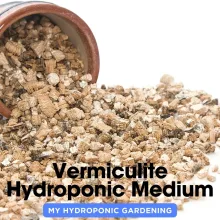
When compared to other popular hydroponic media, perlite often stands out. Unlike vermiculite, which tends to compact over time, perlite maintains its structure, ensuring consistent aeration throughout the growing cycle. Compared to soil-based systems, perlite offers superior control over nutrient delivery and root zone conditions.
Perlite is also considerably lighter than alternatives like grit, sharp sand, or pumice. This lightweight nature not only makes it easier to handle and transport but also reduces the structural requirements for hydroponic setups, particularly in vertical or rooftop gardens.
Types and Applications of Perlite in Hydroponics
Perlite is available in various grades, from fine to coarse, each suited to different applications within hydroponic systems. Fine perlite is excellent for seed starting and rooting cuttings, providing gentle support and moisture retention for delicate seedlings. Coarser grades are ideal for larger plants and longer-term setups, offering improved drainage and aeration.
The versatility of perlite allows it to be used effectively in various hydroponic systems. In vertical setups, perlite provides excellent drainage and aeration in limited spaces, maximizing productivity per square foot. For deep water culture systems, perlite can be used in net pots to support plants and provide additional oxygenation to the root zone.
In ebb and flow (flood and drain) systems, perlite’s water retention properties help maintain moisture between flood cycles, reducing stress on plants. Its growing popularity in aquaponics systems demonstrates its effectiveness as a biofilter medium, supporting beneficial bacteria crucial for nutrient cycling.
Optimizing Perlite Use in Hydroponics
The ideal perlite mix ratio depends on the specific hydroponic system and plant needs. While pure perlite systems work well for many crops, blending perlite with other media like vermiculite or coconut coir can enhance water retention and provide a more diverse root environment.
Proper preparation of perlite is crucial for optimal performance. Before use, it should be thoroughly washed to remove dust, which can clog systems and impact plant health. In some cases, sterilization may be necessary, particularly when reusing perlite or in sensitive growing operations.
Nutrient management in perlite-based systems is relatively straightforward due to the medium’s neutral pH and low cation exchange capacity. Perlite doesn’t bind nutrients, allowing for efficient delivery to plant roots. This characteristic enables growers to implement precise fertilization strategies, typically involving frequent applications of dilute nutrient solutions tailored to specific crop needs and growth stages.
Plant-Specific Considerations and Success Stories
Certain crops have shown particularly impressive results in perlite-based hydroponic systems. Tomatoes grown in perlite often exhibit reduced splitting and higher overall quality. Lettuce tends to form larger, better-shaped heads with a lower incidence of tipburn, a common problem in hydroponic lettuce production. Strawberries benefit significantly from perlite’s high oxygen retention, which is crucial for their root health and fruit production.
The adaptability of perlite allows growers to easily modify their systems for different growth stages, from seedlings to mature plants, providing optimal conditions throughout the crop cycle.
Practical Considerations and Maintenance
Setting up a perlite-based hydroponic system requires careful planning but is generally straightforward. Regular maintenance is key to long-term success. This includes monitoring for dust accumulation, which can reduce aeration over time, and preventing compaction in long-term setups.
Water retention characteristics may need adjustment based on climate conditions and specific crop needs. One of perlite’s significant advantages is its reusability; it can be sterilized and reused for multiple growing cycles, though eventual replacement is necessary to maintain optimal growing conditions.
Potential Downsides and Considerations
While perlite offers numerous benefits, it’s important to consider potential drawbacks. The dust produced during handling can be a respiratory irritant, necessitating proper safety measures during setup and maintenance. Some growers find that perlite dries out quickly in certain conditions, requiring more frequent irrigation compared to some other media.
In systems with high water flow, fine perlite particles may be prone to migration, potentially clogging pumps or filters. Additionally, while perlite is generally considered environmentally friendly, its production does involve mining and energy-intensive heating processes, which may be a concern for growers focused on sustainability.
The Future of Perlite in Hydroponics
As hydroponics continues to evolve, perlite remains a key player in the industry. Ongoing research is exploring ways to enhance perlite’s performance, including developing coatings to improve water retention and incorporating beneficial microorganisms.
The increasing focus on urban agriculture and controlled environment growing is likely to drive further innovations in perlite-based hydroponic systems, particularly in vertical farming applications where its lightweight nature is a significant advantage.
Conclusion
Perlite stands as a versatile and effective medium for hydroponic cultivation, offering a unique combination of benefits that cater to a wide range of crops and growing systems. Its stability, sterility, and excellent aeration properties make it a top choice for both small-scale and commercial hydroponic operations. While it’s not without its challenges, the advantages of perlite often outweigh its drawbacks, particularly when managed with proper knowledge and care. As the hydroponic industry continues to grow and evolve, perlite is likely to remain a cornerstone of successful soilless cultivation, contributing to more efficient and productive growing systems worldwide.
#1 Recommended Hydroponic Smart Kit | #2 Recommended Hydroponic Smart Kit |
| | |
Summary and FAQs
What makes perlite an ideal medium for hydroponic systems?
Perlite is ideal for hydroponics due to its excellent aeration properties, water retention capabilities, and sterility. It has a neutral pH (6.5-7.5), doesn’t decompose, and provides good oxygen exchange for root health. Its lightweight nature and ability to be reused also make it practical for various hydroponic setups.
How does perlite compare to other hydroponic media like vermiculite or rockwool?
Unlike vermiculite, perlite doesn’t compact over time, maintaining consistent aeration. It’s lighter than alternatives like grit or pumice, making it easier to handle. Compared to rockwool, perlite is more environmentally friendly and can be reused. However, perlite may dry out faster than some alternatives, potentially requiring more frequent irrigation.
What types of plants grow best in perlite-based hydroponic systems?
Many plants thrive in perlite-based systems, but some standout crops include tomatoes, lettuce, and strawberries. Tomatoes grown in perlite are less prone to splitting, lettuce tends to form larger heads with reduced tipburn, and strawberries benefit from perlite’s high oxygen retention, which is crucial for their root health.
How should perlite be prepared and maintained for use in a hydroponic system?
Before use, perlite should be thoroughly washed to remove dust. In some cases, sterilization may be necessary. During use, monitor for dust accumulation and prevent compaction in long-term setups. Perlite can be reused for multiple growing cycles but should eventually be replaced to maintain optimal conditions. Proper storage in a dry, covered area when not in use is important to prevent contamination.
Are there any downsides to using perlite in hydroponics?
While perlite offers many benefits, it does have some drawbacks. The dust produced during handling can be a respiratory irritant, requiring safety measures. It may dry out quickly in certain conditions, necessitating more frequent watering. Fine perlite particles can potentially clog pumps or filters in high water flow systems. Additionally, perlite production involves mining and energy-intensive processes, which may be a concern for environmentally conscious growers.