Hydroponic Gardening for Beginners | Best Hydroponics
Hydroponic gardening, a soilless cultivation method, offers numerous advantages over traditional soil-based gardening, including faster growth rates, higher yields, and efficient use of space and resources. This modern technique uses nutrient-rich water solutions to nourish plants, making it accessible to both hobbyists and commercial growers. For beginners, the Deep Water Culture (DWC) system is recommended due to its simplicity and low cost. Essential components include growing containers, nutrient solutions, pumps, and lighting.
Leafy greens and herbs are ideal for novice hydroponic gardeners. Proper water quality management, nutrient balance, and regular maintenance are crucial for success. While hydroponics presents some challenges, such as initial setup costs and a learning curve, it addresses environmental concerns and offers year-round growing capabilities. As technology advances, hydroponic gardening is poised to play a significant role in sustainable agriculture, making it an exciting and rewarding venture for beginners willing to learn and adapt.
#1 Recommended Hydroponic Smart Kit | #2 Recommended Hydroponic Smart Kit |
 |  |
Hydroponic Gardening for Beginners: A Modern Guide to Soilless Cultivation
Hydroponic gardening, a innovative method of growing plants without soil, has gained significant traction in recent years. This technique, which uses nutrient-rich water solutions to nourish plants, offers numerous advantages over traditional soil-based gardening. As we delve into the world of hydroponics, we’ll explore its benefits, essential components, and how beginners can start their own hydroponic garden.
Historical Context and Modern Evolution
The concept of hydroponics dates back to ancient civilizations, but modern technology has revolutionized this growing method. Today, hydroponic systems range from simple DIY setups to sophisticated commercial operations. This versatility makes hydroponics accessible to both hobbyists and professional growers alike.
Efficiency and Productivity
One of the primary benefits of hydroponic gardening is its efficiency. Plants grown hydroponically typically grow 20-25% faster and yield 20-25% more than their soil-grown counterparts. This increased productivity is due to the direct delivery of nutrients to plant roots and the ability to control environmental factors more precisely.
Environmental Benefits
Hydroponics also addresses several environmental concerns associated with traditional agriculture. It uses up to 90% less water than conventional farming methods, as water is recycled within the system. Additionally, hydroponic gardens can be set up in urban areas or regions with poor soil quality, potentially reducing transportation costs and carbon emissions associated with food production.
Getting Started: Overcoming Initial Hesitations
For beginners, the world of hydroponics might seem daunting at first. However, with proper guidance and planning, it’s quite accessible. The Deep Water Culture (DWC) system is often recommended for newcomers due to its simplicity and low cost. A basic DWC setup can be assembled for around $25 and an hour of work, making it an excellent starting point for hydroponic enthusiasts.
Planning Your Hydroponic Garden
When starting your hydroponic journey, it’s crucial to consider factors such as available space, indoor vs. outdoor placement, and initial investment. Even those with limited space or resources can successfully begin hydroponic gardening with proper planning.
Essential Components of a Hydroponic System
A basic hydroponic system consists of several key components. These include growing containers, a nutrient-rich water solution, pumps for water circulation, and lighting (if growing indoors). Air stones or other oxygenation methods are crucial for maintaining healthy root systems. Additionally, monitoring equipment such as pH meters and EC (electrical conductivity) meters help maintain optimal growing conditions.
Setting Up Your First System
Setting up your first hydroponic system can be an exciting process. A simple DWC setup typically involves a container like a 5-gallon bucket, net pots to hold plants, an air pump with an air stone for oxygenation, and a nutrient solution. The materials are relatively inexpensive and easily accessible. Assembly is usually straightforward, involving drilling holes in the bucket lid for net pots and setting up the air pump.
Choosing the Right Plants
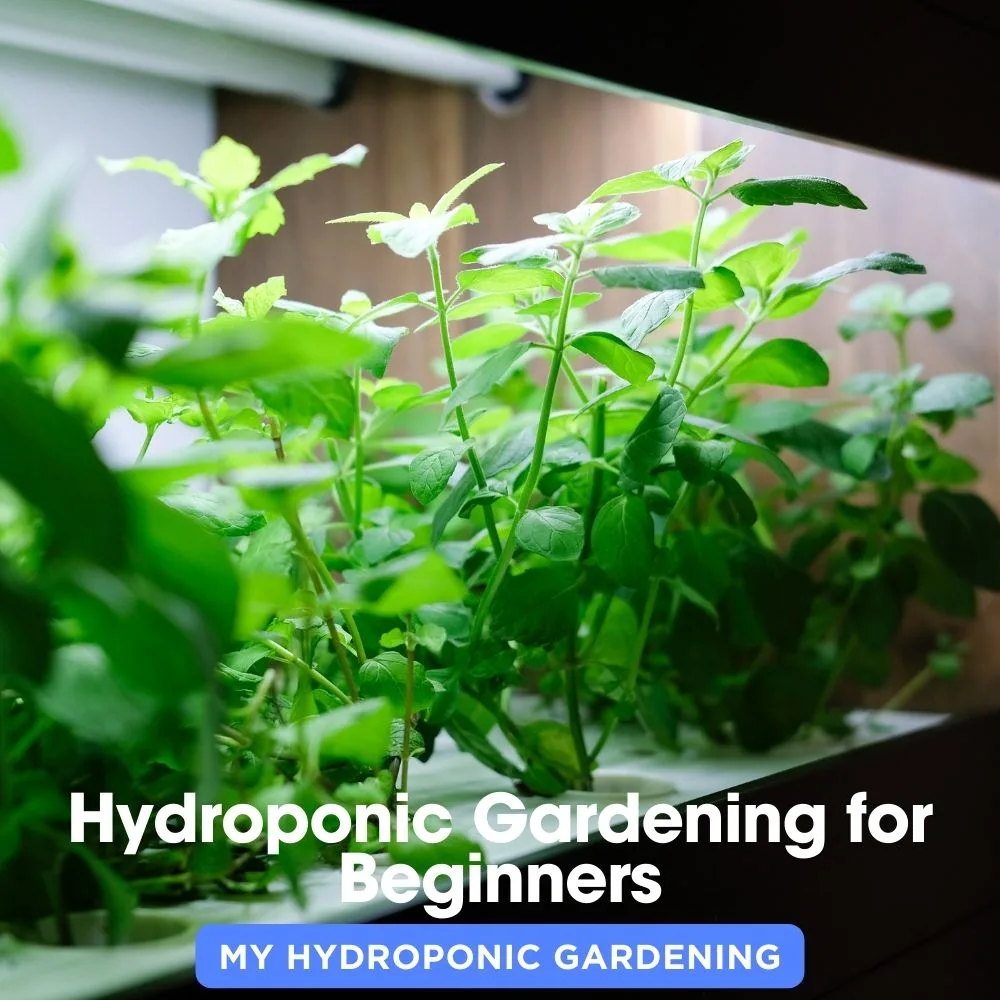
Choosing the right plants is crucial for success in hydroponic gardening, especially for beginners. Leafy greens like lettuce, spinach, and herbs are excellent choices for newcomers due to their fast growth and relatively simple care requirements. As you gain experience, you can expand to other vegetables and even fruits. For beginners, starting with clones rather than seeds can provide a quicker and more reliable start.
Water Quality Management
Water quality is a critical factor in hydroponic gardening. Using Reverse Osmosis (RO) water helps eliminate contaminants that could harm plants or interfere with nutrient uptake. Regular testing and adjusting of water pH is crucial, as pH levels affect nutrient availability to plants.
Nutrient Management
Proper nutrient management is essential for hydroponic success. Plants require a balanced mix of macronutrients and micronutrients, which are provided through specially formulated hydroponic solutions. Products like Advanced Nutrients offer pH Perfect Technology, simplifying pH management for beginners. Understanding how to mix and maintain nutrient solutions is essential, as is following appropriate feeding schedules.
Lighting Considerations
Lighting is another critical factor, especially for indoor setups. While natural sunlight is ideal, artificial lighting allows for year-round growing and precise control. LED, HPS (High-Pressure Sodium), and fluorescent lights are common choices, each with its own pros and cons.
Maintenance and Care
Regular maintenance is key to a thriving hydroponic garden. Daily tasks include checking water levels and plant health, while weekly chores involve testing and adjusting nutrient solutions. Periodic cleaning and sanitizing of the system prevent algae growth and disease.
Scaling Up and Advanced Techniques
As your skills and confidence grow, you may want to expand your hydroponic operation. This could involve adding more units, implementing automation for easier management, or exploring advanced growing techniques. Technology is revolutionizing hydroponic gardening, with smart systems using Internet of Things (IoT) devices to monitor and control various aspects of your garden automatically.
Potential Downsides and Challenges
While hydroponic gardening offers numerous benefits, it’s important to note some potential downsides. The initial setup cost can be higher than traditional gardening, especially for more complex systems. There’s also a learning curve involved in understanding and maintaining the system. Power outages can be particularly problematic for hydroponic setups, as plants can quickly suffer without circulation and oxygenation of the nutrient solution.
Additional Considerations
Additionally, while hydroponics can be more water-efficient overall, a system failure could potentially lead to significant water waste. Some critics also argue that hydroponic produce may lack the full spectrum of nutrients found in soil-grown plants, although this is a topic of ongoing research and debate.
Conclusion: The Future of Gardening
Despite these challenges, hydroponic gardening offers an exciting and rewarding way to grow plants, whether for personal use or commercial purposes. As hydroponic technology advances and becomes more accessible, it’s poised to play a significant role in the future of agriculture, addressing challenges like food security and sustainable farming.
Final Thoughts for Beginners
In conclusion, hydroponic gardening for beginners offers a unique blend of traditional horticultural knowledge and modern technology. With patience, learning, and experimentation, novice growers can successfully cultivate a wide variety of plants, enjoying fresh produce year-round while contributing to more sustainable food production practices. As you embark on your hydroponic journey, remember that every gardener was once a beginner, and the key to success lies in continuous learning and adaptation.tegies, a pest-free hydroponic garden is within reach. rewarding way to connect with nature and ensure food security.
#1 Recommended Hydroponic Smart Kit | #2 Recommended Hydroponic Smart Kit |
| | |
Summary and FAQs
What is the easiest hydroponic system for beginners to start with?
The Deep Water Culture (DWC) system is often recommended as the easiest hydroponic system for beginners. It’s simple to set up, relatively inexpensive, and requires minimal maintenance. A basic DWC setup typically involves a container like a 5-gallon bucket, net pots to hold plants, an air pump with an air stone for oxygenation, and a nutrient solution. This system can be assembled for around $25 and in about an hour, making it an excellent starting point for hydroponic enthusiasts.
What are the best plants for beginners to grow in a hydroponic system?
For beginners, leafy greens and herbs are excellent choices due to their fast growth and relatively simple care requirements. Some of the best plants for novice hydroponic gardeners include:
Cilantro These plants are well-suited to hydroponic systems and can provide quick success, boosting confidence for new growers. As you gain experience, you can expand to other vegetables and even fruits.
Lettuce
Spinach
Basil
Mint
How often do I need to maintain my hydroponic garden?
Hydroponic gardens require regular maintenance to ensure optimal plant growth. Daily tasks include checking water levels and observing plant health. Weekly chores involve testing and adjusting nutrient solutions and pH levels. Additionally, you should perform periodic cleaning and sanitizing of the system to prevent algae growth and disease. The exact frequency of maintenance tasks may vary depending on your specific system and the plants you’re growing, but consistent care is key to a thriving hydroponic garden.
What are the main advantages of hydroponic gardening over traditional soil-based gardening?
Hydroponic gardening offers several advantages over traditional soil-based methods:
Precise control over nutrients: This allows for optimized plant growth and health.
Faster growth rates: Plants typically grow 20-25% faster in hydroponic systems.
Higher yields: Hydroponic gardens can produce 20-25% more than soil-based gardens.
Water efficiency: Hydroponics uses up to 90% less water than conventional farming methods.
Space efficiency: Plants can be grown in smaller spaces, making it ideal for urban environments.
Year-round growing: With proper lighting, you can grow plants indoors all year.
Fewer pest and disease issues: The controlled environment reduces many common gardening problems.
What are some potential challenges or downsides to hydroponic gardening for beginners?
While hydroponic gardening offers many benefits, there are some challenges to consider:
Initial setup costs: The initial investment can be higher than traditional gardening, especially for more complex systems.
Learning curve: Understanding and maintaining the system requires some study and practice.
Dependence on electricity: Power outages can be problematic as plants can quickly suffer without circulation and oxygenation of the nutrient solution.
Potential for system failures: If a pump fails or there’s a leak, it could potentially lead to significant plant loss or water waste.
Ongoing costs: Regular purchases of nutrients and potentially higher electricity bills for lighting and pumps.
Limited plant selection: Some plants, particularly root vegetables, can be more challenging to grow hydroponically.
Despite these challenges, many beginners find hydroponic gardening to be a rewarding and exciting way to grow plants, with the benefits often outweighing the potential drawbacks.