Sustainable Hydroponic Gardening | Best Hydroponics
Sustainable hydroponic gardening is revolutionizing agriculture by offering a water-efficient, space-saving, and environmentally friendly approach to food production. This soilless cultivation method uses up to 90% less water than traditional farming and requires significantly less land, making it ideal for urban environments. Hydroponic systems integrate renewable energy sources, practice precise nutrient management, and reduce the need for pesticides, resulting in a lower carbon footprint. While challenges exist, such as high initial costs and the need for specialized knowledge, the benefits of hydroponics far outweigh the drawbacks.
It addresses food security issues in urban areas, offers economic opportunities, and promotes community engagement. As climate change and population growth intensify global food security challenges, sustainable hydroponic gardening emerges as a crucial solution. By embracing and further developing these practices, we can create resilient, efficient, and environmentally friendly food production systems for future generations.
#1 Recommended Hydroponic Smart Kit | #2 Recommended Hydroponic Smart Kit |
 |  |
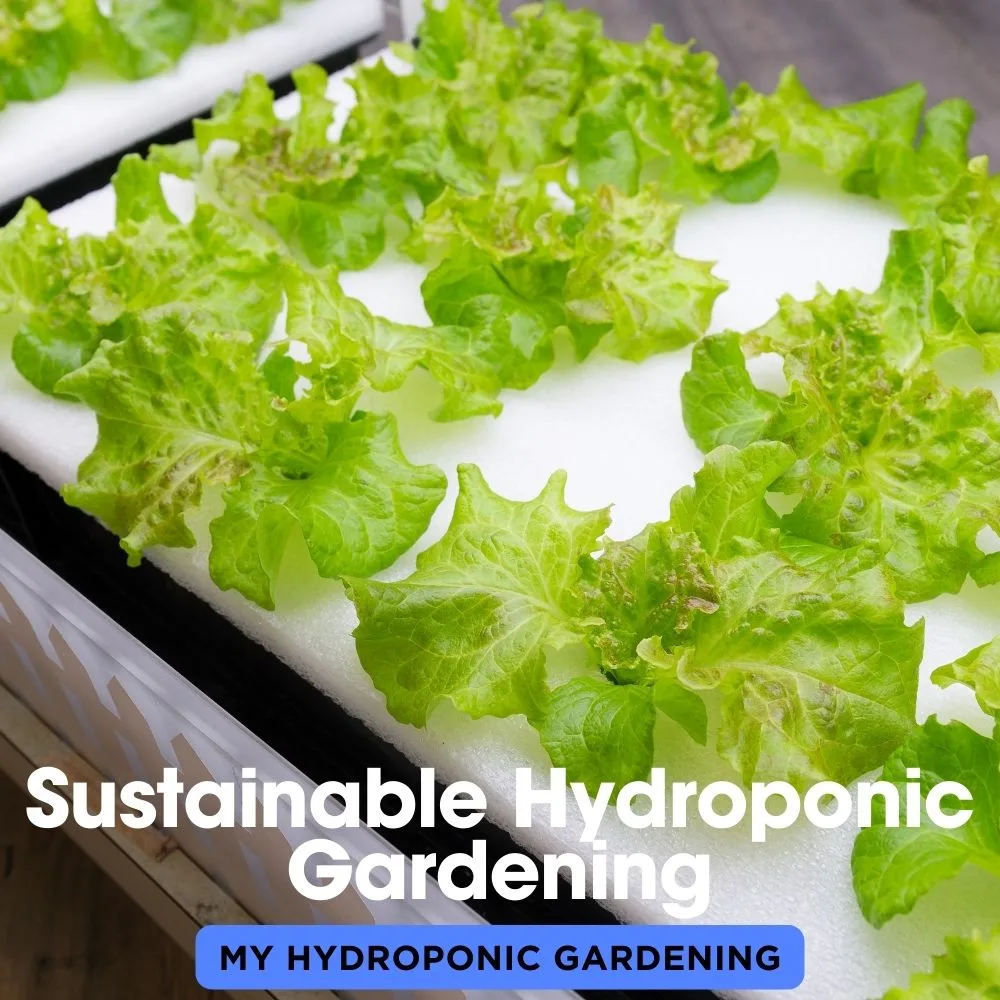
Sustainable Hydroponic Gardening: Revolutionizing Agriculture for a Greener Future
In an era marked by climate change, resource scarcity, and a burgeoning global population, sustainable hydroponic gardening has emerged as a promising solution to address these pressing challenges. This innovative method of cultivation combines the efficiency of soilless growing with environmentally conscious practices, offering a glimpse into the future of agriculture.
The Roots of Hydroponic Gardening
Hydroponic gardening, at its core, involves growing plants in nutrient-rich water solutions without the use of soil. While its roots can be traced back to ancient civilizations, such as the legendary Hanging Gardens of Babylon, modern hydroponics has evolved into a sophisticated and highly efficient form of agriculture. Today, it stands as a testament to human ingenuity in the face of environmental constraints.
Unparalleled Water Efficiency
Perhaps most notably, hydroponic systems boast exceptional water efficiency, using up to 90% less water than conventional soil-based agriculture. This is achieved through recirculation techniques and closed-loop systems that minimize waste and maximize resource utilization. In a world where water scarcity is becoming increasingly prevalent, the water-saving potential of hydroponics cannot be overstated.
Maximizing Space in Urban Environments
Hydroponic systems require significantly less land than traditional farming, making them ideal for urban environments or areas with limited arable land. Vertical hydroponic gardens, for instance, can produce high yields in a fraction of the space required by conventional farms. This space efficiency not only allows for increased food production in densely populated areas but also reduces the need for deforestation and land conversion for agricultural purposes.
Energy Conservation and Renewable Integration
Energy conservation is another crucial aspect of sustainable hydroponic gardening. Modern systems often incorporate renewable energy sources such as solar and wind power to run pumps and lighting. Energy-efficient LED grow lights provide optimal light spectra for plant growth while consuming less electricity than traditional lighting systems. Some advanced setups even employ heat recycling systems to capture and reuse excess heat from equipment, further reducing energy waste.
Precision Nutrient Management
Nutrient management in hydroponic systems is precise and efficient. Unlike traditional farming, where excess nutrients can lead to soil and water pollution, hydroponic systems allow for careful control and recycling of nutrients. This not only optimizes plant growth but also minimizes environmental impact. Some systems even integrate beneficial microorganisms to enhance nutrient uptake and plant health, mimicking natural soil ecosystems in a controlled environment.
Versatility in System Design
The versatility of hydroponic systems is another key advantage. Various types of systems cater to different needs and environments. Deep Water Culture (DWC), Nutrient Film Technique (NFT), Aeroponics, Ebb and Flow, Wicking, and Drip systems each offer unique benefits and are suited to different types of plants and growing conditions. This flexibility allows for customization based on specific requirements, whether it’s a small-scale home garden or a large commercial operation.
Environmental Benefits and Biodiversity Protection
Sustainable hydroponic gardening offers significant environmental benefits. By reducing the need for pesticides and herbicides, it promotes healthier ecosystems and protects biodiversity. The controlled environment of hydroponic systems naturally deters many pests and diseases, allowing for chemical-free cultivation. Additionally, the lower carbon footprint resulting from reduced transportation needs and more efficient resource use makes hydroponics an environmentally friendly approach to food production.
Economic Viability and Market Potential
From an economic perspective, hydroponics is gaining recognition as a viable and potentially lucrative venture. While initial setup costs can be higher than traditional farming, the long-term benefits often outweigh the initial investment. Higher yields, year-round production capabilities, and the ability to grow crops in previously unsuitable locations all contribute to the economic appeal of hydroponics. Furthermore, the growing demand for locally sourced, sustainably grown produce allows hydroponic farmers to command premium prices in many markets.
Social Implications and Community Engagement
The social implications of sustainable hydroponic gardening are equally significant. Community-supported hydroponic projects can strengthen local food systems and foster community bonds. Educational programs centered around hydroponics are emerging, teaching valuable skills and promoting sustainable practices. In urban areas, rooftop and vertical hydroponic gardens are transforming unused spaces into productive green areas, improving food security and enhancing the urban environment.
Future Prospects and Technological Advancements
Looking to the future, sustainable hydroponic gardening holds immense potential. Emerging technologies such as AI-driven systems and novel materials are continually enhancing the efficiency and sustainability of hydroponic operations. As global food security challenges intensify due to climate change and population growth, hydroponics offers a viable solution for producing food in diverse environments, including urban centers and regions with poor soil quality.
Challenges and Potential Drawbacks
It’s important to acknowledge some challenges and potential downsides of hydroponic systems. The initial setup costs can be prohibitive for some, particularly small-scale farmers. There’s also a learning curve associated with managing these systems effectively, requiring specialized knowledge and skills. Some critics argue that hydroponic produce may lack the full spectrum of nutrients found in soil-grown crops, although research in this area is ongoing. Additionally, large-scale hydroponic operations still rely on electricity, which, if not sourced from renewable energy, can contribute to carbon emissions.
Conclusion: A Sustainable Path Forward
Despite these challenges, the benefits of sustainable hydroponic gardening far outweigh its drawbacks. As we face unprecedented environmental challenges, hydroponics offers a path towards more resilient, efficient, and environmentally friendly food production systems. By embracing and further developing these practices, we can work towards a future where sustainable agriculture meets the needs of a growing global population while preserving our planet’s precious resources. The continued development and widespread adoption of sustainable hydroponic practices will be essential in creating resilient, efficient, and environmentally friendly food production systems for future generations.n farming. in the world of agriculture.
#1 Recommended Hydroponic Smart Kit | #2 Recommended Hydroponic Smart Kit |
| | |
Summary and FAQs
How does sustainable hydroponic gardening conserve water compared to traditional farming?
Sustainable hydroponic gardening conserves water by using up to 90% less water than traditional soil-based agriculture. This is achieved through recirculation techniques and closed-loop systems that minimize waste. Water is reused and recycled within the system, with only the amount absorbed by plants or lost through evaporation needing replacement. Additionally, many hydroponic systems incorporate rainwater harvesting, further reducing reliance on freshwater sources.
What are the main environmental benefits of sustainable hydroponic gardening?
The main environmental benefits include:
- Reduced water usage
- Lower carbon footprint due to decreased transportation needs
- Minimal to no use of pesticides and herbicides
- Less land required, reducing deforestation and habitat destruction
- Decreased soil erosion and nutrient runoff
- Potential for integration with renewable energy sources
- Year-round production capability, reducing seasonal import needs
Are hydroponically grown vegetables as nutritious as soil-grown ones?
Research on this topic is ongoing, but current evidence suggests that hydroponically grown vegetables can be just as nutritious as soil-grown ones, and in some cases, even more so. The controlled environment of hydroponic systems allows for precise nutrient management, ensuring that plants receive optimal nutrition. However, the nutritional content can vary depending on the specific hydroponic system and nutrient solution used. Some studies have shown higher levels of certain vitamins and minerals in hydroponic produce, while others have found comparable levels to soil-grown counterparts.
What are the initial costs of setting up a sustainable hydroponic garden, and how long does it take to see a return on investment?
The initial costs of setting up a sustainable hydroponic garden can vary widely depending on the scale and complexity of the system. Small home systems can cost a few hundred dollars, while large commercial operations can require investments of tens or hundreds of thousands of dollars. Factors affecting cost include the type of system, lighting, climate control, and renewable energy integration.
The time to see a return on investment also varies. For small home systems, the ROI can be seen in a few months to a year through savings on grocery bills. For commercial operations, it typically takes 2-3 years to recoup the initial investment, depending on factors such as crop choice, market conditions, and operational efficiency. However, the higher yields and year-round production capability of hydroponic systems often lead to faster ROI compared to traditional farming methods.
How does sustainable hydroponic gardening address food security issues in urban areas?
Sustainable hydroponic gardening addresses food security in urban areas in several ways:
- Space efficiency: Vertical hydroponic systems allow for high yields in small urban spaces, including rooftops and abandoned buildings.
- Year-round production: Controlled environments enable continuous crop production regardless of outdoor conditions.
- Reduced transportation: Urban hydroponic farms can provide fresh produce directly to local markets, reducing food miles and associated costs.
- Resilience: Hydroponic systems are less vulnerable to outdoor environmental factors, providing a more stable food supply.
- Community engagement: Urban hydroponic projects can involve local communities in food production, increasing food literacy and access to fresh produce.
- Crop diversity: The controlled environment allows for growing a wide variety of crops, improving nutritional diversity in urban diets.
By addressing these aspects, sustainable hydroponic gardening can significantly contribute to improving food security and access to fresh, nutritious produce in urban areas.