How To Get Rid of Hydroponic Pests | Best Hydroponics
Effective pest management in hydroponic systems requires a comprehensive approach combining prevention, monitoring, and various control strategies. The article discusses common hydroponic pests such as whiteflies, spider mites, thrips, aphids, and fungus gnats, and outlines an Integrated Pest Management (IPM) approach. Key strategies include maintaining a clean environment, implementing quarantine procedures, optimizing growing conditions, and using pest-resistant plant varieties.
The guide emphasizes the importance of regular monitoring and early intervention. It explores various control methods, including cultural controls, biological controls, and organic solutions, with chemical pesticides as a last resort. The article also touches on emerging technologies in pest management, such as AI-powered detection and nanotechnology-based pesticides. While highlighting effective strategies, it also notes potential downsides, including costs, time investment, and impacts on beneficial organisms.
#1 Recommended Hydroponic Smart Kit | #2 Recommended Hydroponic Smart Kit |
 |  |
How To Get Rid of Hydroponic Pests: A Comprehensive Guide
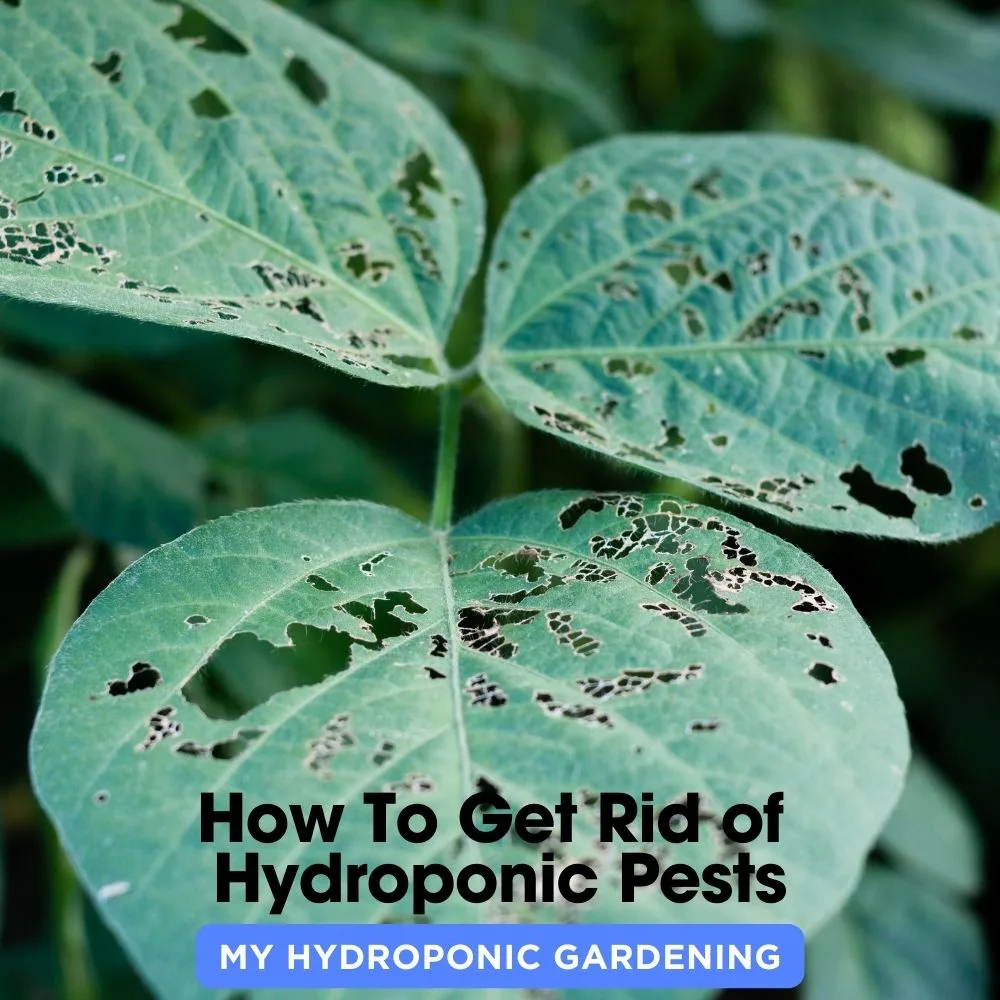
Hydroponic gardening offers numerous advantages, including higher yields and more efficient use of resources. However, like any cultivation method, it faces challenges – particularly when it comes to pest control. This guide will explore effective strategies for managing and eliminating pests in hydroponic systems, along with potential drawbacks to consider.
Understanding Common Hydroponic Pests
Before diving into control methods, it’s crucial to identify the most common pests in hydroponic systems:
- Whiteflies: These tiny white insects suck plant juices and excrete honeydew, which can lead to sooty mold growth.
- Spider Mites: These minuscule arachnids cause yellowing and speckling on leaves and can quickly infest an entire system.
- Thrips: These slender insects damage flowers and leaves, causing dark, brittle areas.
- Aphids: Soft-bodied insects that cluster on plants, sucking sap and potentially spreading viral diseases.
- Fungus Gnats: While adults are mostly harmless, their larvae can damage plant roots.
Integrated Pest Management (IPM) in Hydroponics
The most effective approach to pest control in hydroponics is Integrated Pest Management (IPM). This strategy combines various methods to minimize pest damage while reducing reliance on chemical pesticides. Key components of IPM include:
- Prevention
- Monitoring
- Cultural controls
- Biological controls
- Chemical controls (as a last resort)
Prevention: The First Line of Defense
Preventing pest infestations is far easier than dealing with established populations. Implement these preventive measures:
- Maintain a clean growing environment: Regularly clean and sanitize your hydroponic system, including all equipment and surfaces.
- Use pest-resistant varieties: Choose plant varieties bred for pest resistance when possible.
- Implement quarantine procedures: Isolate new plants before introducing them to your main system to prevent pest introduction.
- Optimize growing conditions: Maintain appropriate temperature, humidity, and air circulation to create an environment less favorable to pests.
- Install physical barriers: Use insect screens on vents and openings to prevent pest entry.
Monitoring: Early Detection is Key
Regular monitoring allows for early pest detection and intervention. Implement these monitoring strategies:
- Conduct visual inspections: Regularly examine plants, paying close attention to leaf undersides and new growth.
- Use sticky traps: Place yellow or blue sticky traps throughout your growing area to catch flying pests.
- Keep detailed records: Document pest observations, treatments, and outcomes to identify patterns and effective strategies.
Cultural Controls: Creating an Unfavorable Environment for Pests
Cultural controls involve manipulating the growing environment to discourage pest proliferation:
- Adjust humidity: Many pests, like spider mites, thrive in dry conditions. Maintain humidity around 50% to deter them.
- Optimize nutrition: Avoid over-fertilization, which can make plants more attractive to pests.
- Remove infected plants: Quickly isolate or remove heavily infested plants to prevent spread.
- Prune and clean: Regularly remove dead or dying plant material that could harbor pests.
Biological Controls: Nature’s Pest Management
Biological controls involve using natural predators or pathogens to manage pest populations:
- Beneficial insects: Introduce predatory insects like ladybugs, lacewings, or parasitic wasps to control pest populations.
- Predatory mites: Use species like Phytoseiulus persimilis to control spider mites.
- Beneficial nematodes: These microscopic worms can control fungus gnat larvae in the growing medium.
- Microbial insecticides: Products containing Bacillus thuringiensis (Bt) can effectively control certain caterpillar species.
Organic and Non-Toxic Solutions
When intervention is necessary, start with organic and non-toxic solutions:
- Neem oil: This natural insecticide disrupts pest feeding and reproduction cycles.
- Insecticidal soaps: These products break down the protective coatings of soft-bodied insects.
- Diatomaceous earth: This fine powder can control crawling insects in the growing medium.
- Pyrethrin: A natural insecticide derived from chrysanthemum flowers, effective against a wide range of pests.
Chemical Controls: A Last Resort
While effective, chemical pesticides should be used sparingly in hydroponic systems due to potential residues and impacts on beneficial organisms. If necessary:
- Choose hydroponics-safe pesticides: Use products specifically formulated for hydroponic systems.
- Follow application instructions carefully: Improper use can harm plants or leave harmful residues.
- Rotate pesticides: To prevent pest resistance, alternate between products with different modes of action.
Pest-Specific Strategies
Different pests require tailored approaches:
- Whiteflies: Use yellow sticky traps and apply neem oil or insecticidal soap to undersides of leaves.
- Spider mites: Increase humidity, introduce predatory mites, and apply neem oil or pyrethrin-based products.
- Thrips: Use blue sticky traps and apply insecticidal soap or spinosad-based products.
- Aphids: Introduce ladybugs or lacewings, and spray plants with a strong stream of water to dislodge aphids.
- Fungus gnats: Use sticky traps for adults, apply beneficial nematodes or Bt for larvae, and let growing media dry between waterings.
Emerging Technologies in Hydroponic Pest Management
Recent advancements are revolutionizing pest control in hydroponics:
- AI-powered pest detection: Machine learning algorithms can identify pest infestations before they’re visible to the human eye.
- Automated monitoring systems: IoT devices can continuously monitor environmental conditions and alert growers to potential pest-favorable situations.
- UV-C light treatments: Short-duration exposure to UV-C light can control certain pests and pathogens without chemical residues.
- Nanotechnology-based pesticides: These can provide more targeted and efficient pest control with reduced environmental impact.
Potential Downsides and Considerations
While these pest control methods are generally effective, it’s important to consider potential drawbacks:
- Cost: Implementing comprehensive IPM strategies can be initially expensive, though often cost-effective long-term.
- Time and labor: Regular monitoring and maintenance require significant time investment.
- Learning curve: Effective pest management requires ongoing education and adaptation to new techniques.
- Potential for resistance: Overreliance on any single method can lead to pest resistance over time.
- Impact on beneficial organisms: Some control methods, particularly chemical pesticides, can harm beneficial insects or microorganisms in the system.
- Regulatory concerns: Certain pest control products may not be approved for use on food crops in all regions.
- System disruption: Some treatments may require temporary system shutdown or plant removal, potentially impacting crop cycles.
Conclusion
Effective pest management in hydroponic systems requires a multifaceted approach combining prevention, monitoring, and various control strategies. By implementing an Integrated Pest Management program and staying informed about emerging technologies, hydroponic growers can maintain healthy, productive crops while minimizing pest damage. However, it’s crucial to weigh the benefits of each method against potential drawbacks and always prioritize sustainable, environmentally friendly practices. With diligence and the right strategies, a pest-free hydroponic garden is within reach. rewarding way to connect with nature and ensure food security.
#1 Recommended Hydroponic Smart Kit | #2 Recommended Hydroponic Smart Kit |
| | |
Summary and FAQs
What are the most effective natural methods for controlling pests in hydroponic systems?
The most effective natural methods for controlling pests in hydroponic systems include:
Regular cleaning and sanitization of the system These methods are environmentally friendly and don’t leave harmful residues on plants.
Introducing beneficial insects like ladybugs, lacewings, and parasitic wasps
Using neem oil as a natural insecticide
Applying insecticidal soaps for soft-bodied insects
Maintaining optimal environmental conditions (temperature, humidity, air circulation)
Implementing physical barriers like insect screens
How can I prevent pests from entering my hydroponic system in the first place?
To prevent pests from entering your hydroponic system:
Regularly inspect plants and act quickly if any signs of pests are detected Prevention is key in hydroponic pest management, as it’s much easier to keep pests out than to eliminate them once they’ve established.
Implement strict quarantine procedures for new plants
Install insect screens on all vents and openings
Maintain a clean growing environment through regular sanitization
Optimize growing conditions to create an environment less favorable to pests
Choose pest-resistant plant varieties when possible
Are chemical pesticides safe to use in hydroponic systems?
Chemical pesticides should be used as a last resort in hydroponic systems due to potential risks:
- They can leave harmful residues in the recirculating water and on plants
- They may harm beneficial microorganisms in the system
- There’s a risk of pest resistance developing with overuse If chemical pesticides must be used:
- Choose products specifically formulated for hydroponics
- Follow application instructions carefully
- Rotate between pesticides with different modes of action to prevent resistance
- Consider the impact on your crops, especially if they’re intended for consumption Always prioritize non-chemical methods before resorting to pesticides.
How do I identify and control spider mites in my hydroponic garden?
To identify and control spider mites: Identification:
Isolate infected plants to prevent spread Regular monitoring is crucial for early detection and effective control of spider mites.
Look for tiny specks moving on the undersides of leaves
Check for fine webbing on leaves and between plant parts
Watch for yellowing or speckling on leaf surfaces Control methods:
Increase humidity to around 50-60% as spider mites prefer dry conditions
Introduce predatory mites like Phytoseiulus persimilis
Apply neem oil or insecticidal soap, focusing on leaf undersides
In severe cases, consider using a miticide approved for hydroponics
What are some emerging technologies in hydroponic pest management?
Several exciting technologies are emerging in hydroponic pest management:
- AI and machine learning for early pest detection: These systems can analyze plant images to identify signs of infestation before they’re visible to the human eye.
- Automated monitoring systems: IoT devices can continuously track environmental conditions and alert growers to situations favorable for pest development.
- UV-C light treatments: Short-duration exposure to UV-C light can control certain pests and pathogens without chemical residues.
- Nanotechnology-based pesticides: These offer more targeted and efficient pest control with potentially reduced environmental impact.
- Robotics for pest monitoring and precision application of control measures.
- Advanced biological control agents, including genetically engineered microorganisms for targeted pest control. While promising, many of these technologies are still in development or early adoption stages. Growers should stay informed about these advancements and consider their potential benefits and limitations for their specific hydroponic systems.