Automating Nutrient and pH Management in Hydroponic Grows | Best Hydroponics
Automated nutrient and pH management in hydroponic grows represents a significant advancement in agricultural technology, combining soil-less cultivation with sophisticated control systems. This integration offers numerous benefits, including increased efficiency, consistency in crop quality, and reduced labor requirements. Automated systems use IoT-enabled sensors and dispensers to precisely control nutrient delivery and pH levels, ensuring optimal growing conditions throughout the plant lifecycle. Advanced technologies like AI and machine learning further enhance system performance by analyzing data and making predictive adjustments.
While the benefits are substantial, challenges include high initial costs, technical complexity, and the need for backup systems. Despite these hurdles, automation in hydroponics promises to revolutionize agriculture, offering solutions for sustainable food production in the face of climate change and population growth. As technology continues to evolve, we can expect even more sophisticated and integrated systems to emerge, further transforming the future of farming.
#1 Recommended Hydroponic Smart Kit | #2 Recommended Hydroponic Smart Kit |
 |  |
Automating Nutrient and pH Management in Hydroponic Grows: A Comprehensive Overview
Hydroponic cultivation has revolutionized modern agriculture, offering a soil-less alternative that maximizes space efficiency and resource utilization. As we move further into the 21st century, the integration of automation technologies into hydroponic systems is taking this innovative growing method to new heights. This article explores the cutting-edge world of automated nutrient and pH management in hydroponic grows, discussing its benefits, challenges, and the latest technological advancements.
The Foundation of Automated Hydroponics
At its core, automated hydroponics combines the principles of soil-less growing with sophisticated control systems. This marriage of horticulture and technology aims to create an optimal environment for plant growth by precisely managing nutrient delivery, pH levels, and other crucial parameters. The result is a system that promises increased efficiency, consistency in crop quality, and reduced labor requirements.
The shift from traditional to automated hydroponic systems marks a significant change in agricultural practices, especially for indoor and urban farming. By leveraging technology, growers can achieve higher yields, more sustainable practices, and year-round production of high-quality produce. This has substantial economic implications, potentially transforming commercial farming and improving food security in various regions.
Nutrient Management: The Lifeblood of Hydroponics
Successful hydroponic cultivation hinges on precise nutrient management. Plants require a carefully balanced mix of macronutrients (such as nitrogen, phosphorus, and potassium) and micronutrients (including iron, manganese, and zinc) for optimal growth. In traditional hydroponics, maintaining this balance often requires frequent manual testing and adjustments.
Automated systems, however, use advanced sensors and dosing equipment to continuously monitor and adjust nutrient levels. These smart nutrient dosing systems represent the core of automated hydroponics. They utilize IoT-enabled dispensers to precisely control the delivery of nutrients based on real-time data from sensors. This level of precision ensures that plants receive optimal nutrition at all growth stages, maximizing yield and quality while minimizing waste.
The Role of pH in Nutrient Absorption
The pH level of the nutrient solution plays a crucial role in nutrient absorption. Most plants thrive in a slightly acidic environment, typically with a pH between 5.5 and 6.5. Outside this range, certain nutrients become less available to plants, potentially leading to deficiencies even when those nutrients are present in the solution.
Automated pH control systems use wireless monitors to continuously measure pH levels and trigger adjustment mechanisms when needed. These systems integrate seamlessly with nutrient management, ensuring that changes in nutrient concentration don’t disrupt pH balance. Automated buffer systems can make micro-adjustments to keep pH within the optimal range, reducing stress on plants and promoting consistent nutrient uptake.
Electrical Conductivity: A Key Indicator
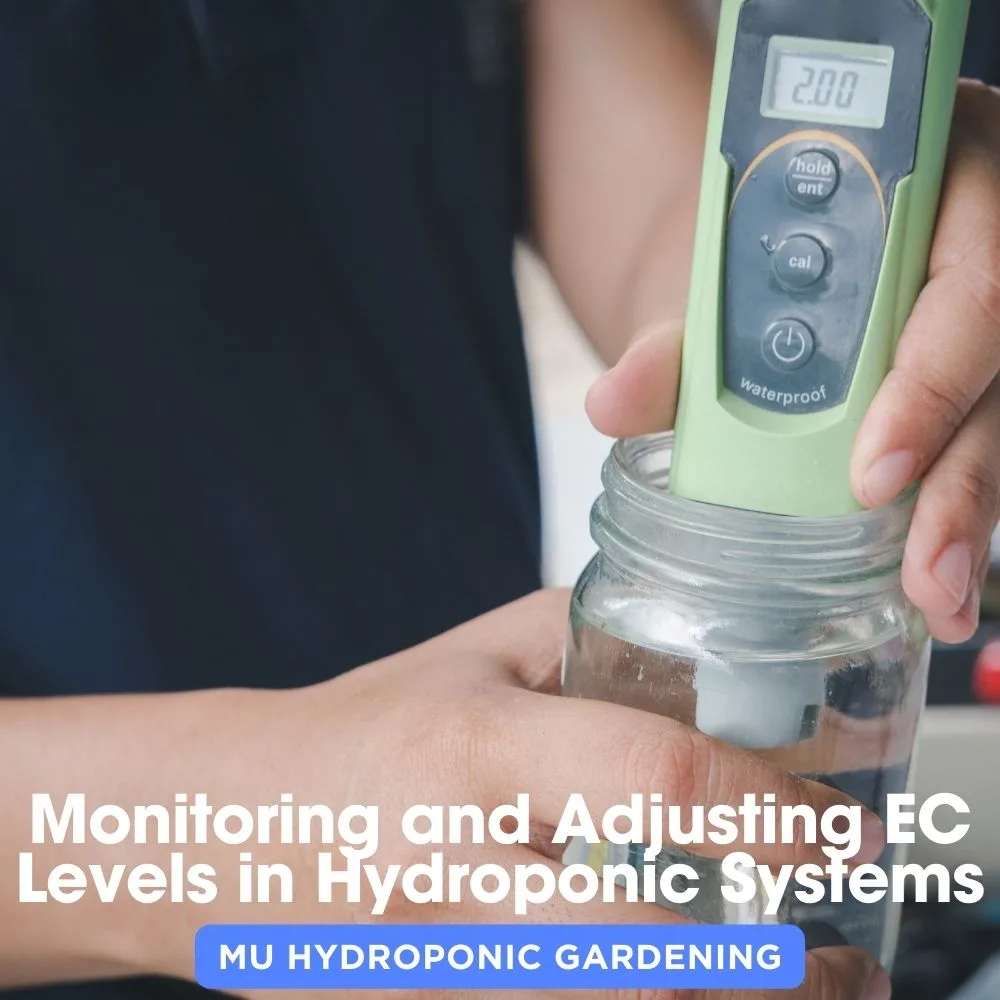
Electrical conductivity (EC) serves as a critical indicator of the overall nutrient concentration in the solution. Automated EC control ensures that the nutrient solution maintains the ideal strength for the specific crop and growth stage. This precise control is particularly important as plant needs change throughout their lifecycle.
Technology Driving Automation
The technology behind hydroponic automation is a sophisticated blend of hardware and software solutions. At the heart of these systems are specialized automation software platforms that integrate data from various sensors and control actuators. Digital nutrient and pH sensors provide real-time data on solution conditions, while microcontrollers serve as the brain of the operation, coordinating inputs and outputs.
Increasingly, artificial intelligence (AI) and machine learning algorithms are being employed to analyze data and make predictive adjustments to system parameters. These advanced systems can learn from past growth cycles, environmental conditions, and crop performance to continually optimize growing conditions.
Benefits of Automated Nutrient and pH Management
- Increased Efficiency: Automated systems can make micro-adjustments 24/7, ensuring optimal conditions at all times.
- Consistency: Automation reduces human error and provides consistent growing conditions, leading to more uniform crop quality.
- Labor Savings: With less need for manual monitoring and adjustments, labor costs can be significantly reduced.
- Resource Conservation: Precise control means less waste of water and nutrients, making automated systems more environmentally friendly.
- Data-Driven Decisions: Advanced analytics allow growers to make informed decisions based on comprehensive data from current and past grow cycles.
- Scalability: Automated systems can be more easily scaled up for commercial operations while maintaining precise control.
Challenges and Considerations
While the benefits of automating nutrient and pH management in hydroponics are substantial, there are also challenges to consider:
- Initial Cost: The upfront investment for automated systems can be significant, potentially presenting a barrier for small-scale growers.
- Technical Expertise: Setting up and maintaining automated systems requires a certain level of technical knowledge, which may necessitate additional training or hiring specialized staff.
- System Reliability: As with any technology-dependent system, there’s a risk of equipment failure. Backup systems and redundancies are often necessary to prevent crop loss.
- Complexity: More complex systems can be more challenging to troubleshoot when issues arise.
- Over-Reliance on Technology: There’s a risk of growers becoming too dependent on automation, potentially losing touch with the nuances of plant care.
Future Trends and Innovations
The field of automated hydroponics is rapidly evolving. Some exciting trends and innovations on the horizon include:
- AI-Driven Predictive Maintenance: Systems that can predict and prevent equipment failures before they occur.
- Integration with Vertical Farming: Combining automated hydroponics with vertical farming techniques for maximum space efficiency.
- Blockchain for Traceability: Using blockchain technology to track produce from seed to sale, ensuring food safety and transparency.
- Advanced Sensors: Development of more sophisticated sensors capable of detecting a wider range of parameters, including specific nutrient levels and plant stress indicators.
- Robotics Integration: Incorporation of robotic systems for tasks like harvesting and plant inspection, further reducing labor requirements.
Conclusion
Automating nutrient and pH management in hydroponic grows represents a significant leap forward in agricultural technology. By precisely controlling the growing environment, these systems offer the potential for increased yields, improved quality, and more sustainable farming practices. While challenges exist, particularly in terms of initial investment and technical complexity, the benefits of automation are compelling.
As technology continues to advance, we can expect even more sophisticated and integrated systems to emerge, further revolutionizing the way we grow food. For growers considering the shift to automated hydroponics, it’s crucial to carefully weigh the benefits against the challenges and to stay informed about the latest developments in this rapidly evolving field.
Ultimately, the automation of nutrient and pH management in hydroponics is not just about technology – it’s about creating a more efficient, sustainable, and productive future for agriculture. As we face growing challenges in food production due to climate change and population growth, these innovative systems may play a crucial role in ensuring food security for generations to come.
#1 Recommended Hydroponic Smart Kit | #2 Recommended Hydroponic Smart Kit |
| | |
Summary and FAQs
How does automated nutrient management improve crop yield and quality in hydroponic systems?
Automated nutrient management improves crop yield and quality by ensuring plants receive optimal nutrition at all growth stages. Smart dosing systems use real-time data from sensors to precisely control nutrient delivery, maintaining ideal concentrations throughout the growing cycle. This precision leads to healthier plants, faster growth, and more consistent crop quality. Additionally, automated systems can adapt to changing plant needs, reducing stress and maximizing nutrient uptake efficiency.
What are the main components of an automated pH control system in hydroponics?
The main components of an automated pH control system typically include:
- Wireless pH sensors for continuous monitoring
- A central control unit or microcontroller
- Dosing pumps for pH adjusters (acid and base solutions)
- Reservoirs for pH adjustment solutions
- Integration with the overall hydroponic management software These components work together to measure pH levels constantly and make micro-adjustments as needed, ensuring the nutrient solution remains within the optimal pH range for nutrient absorption.
How does AI and machine learning contribute to automating nutrient and pH management?
AI and machine learning contribute significantly by:
- Analyzing large datasets from current and past grow cycles
- Identifying patterns and correlations between various parameters and plant performance
- Making predictive adjustments to nutrient and pH levels based on learned optimal conditions
- Continuously improving system performance over time
- Adapting to different crop varieties and changing environmental conditions This results in more efficient resource use, better crop outcomes, and reduced need for human intervention.
What are the potential drawbacks or challenges of implementing an automated nutrient and pH management system?
Some potential challenges include:
- High initial investment costs for equipment and software
- Need for technical expertise to set up and maintain the system
- Potential for system failures, which could risk crop loss if not quickly addressed
- Complexity in troubleshooting advanced systems
- Risk of over-reliance on technology, potentially reducing hands-on plant care knowledge
- Necessity for backup systems and redundancies to ensure continuous operation
How does automated nutrient and pH management contribute to sustainability in agriculture?
Automated systems contribute to sustainability by:
- Optimizing resource use, reducing waste of water and nutrients
- Improving energy efficiency through precise control of pumps and other equipment
- Enabling year-round production in controlled environments, reducing transportation needs
- Maximizing crop yields in limited spaces, supporting urban agriculture
- Providing data for continuous improvement in resource management
- Reducing the use of pesticides and herbicides through optimal plant health maintenance These factors combine to make automated hydroponic systems a more environmentally friendly approach to agriculture, especially in areas with limited resources or challenging growing conditions.