Hybrid Hydroponic System | Best Hydroponics
Hybrid Hydroponic Systems represent an innovative approach to sustainable agriculture, combining multiple soilless cultivation techniques to optimize plant growth. These systems integrate methods like Nutrient Film Technique, Deep Water Culture, and aeroponics, offering enhanced flexibility and efficiency compared to traditional hydroponics and soil-based farming. Key benefits include improved nutrient uptake, water efficiency, year-round cultivation, increased yields, and reduced environmental impact. Applications range from commercial agriculture to urban farming and even potential extraterrestrial use.
While challenges such as high initial costs and technical complexity exist, the economic and environmental potential is significant. Hybrid systems incorporate advanced technologies like AI-driven monitoring and vertical farming techniques, contributing to their efficiency and adaptability. As global food demand increases and environmental challenges grow, hybrid hydroponic systems are poised to play a crucial role in ensuring food security and revolutionizing agricultural practices worldwide, offering a sustainable solution for 21st-century food production.
#1 Recommended Hydroponic Smart Kit | #2 Recommended Hydroponic Smart Kit |
 |  |
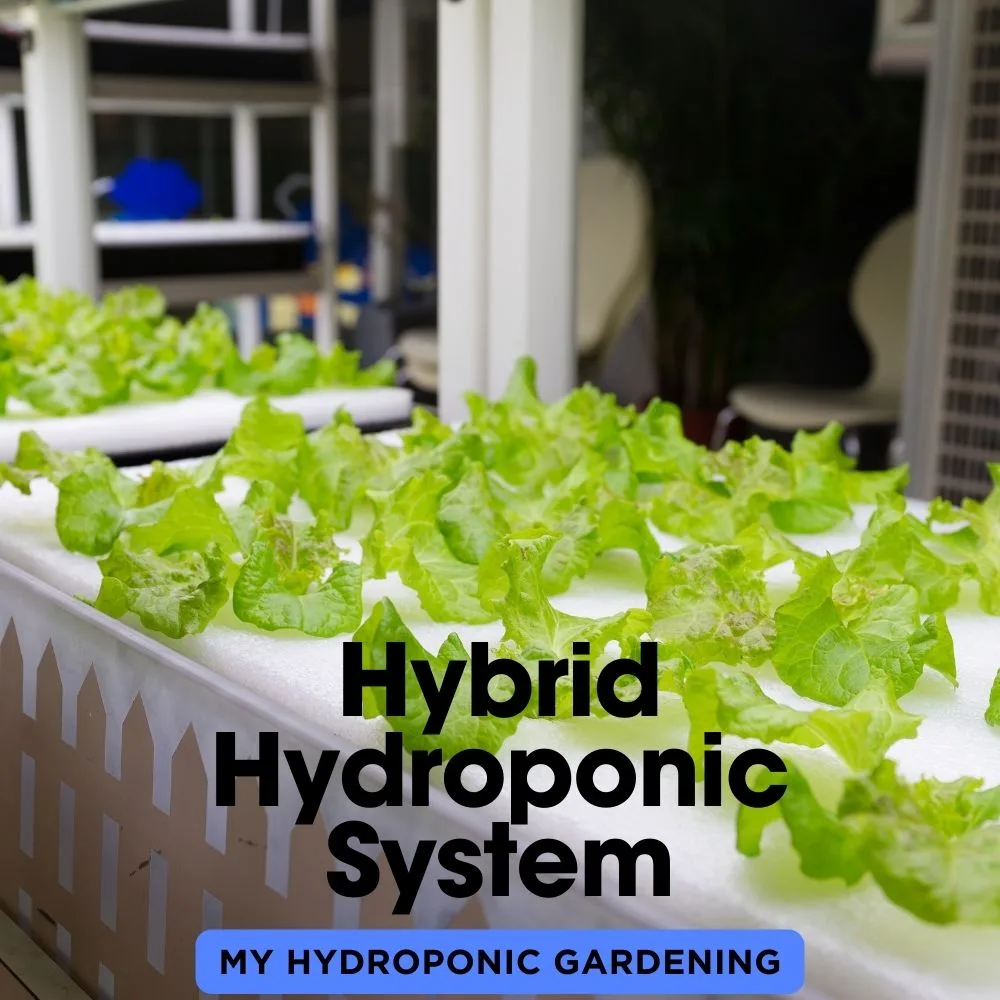
Hybrid Hydroponic Systems: The Future of Sustainable Agriculture
In the face of growing global food demand and increasing environmental challenges, hybrid hydroponic systems have emerged as a promising solution for sustainable agriculture. These innovative systems combine multiple soilless cultivation techniques to optimize plant growth, offering enhanced flexibility and efficiency compared to traditional hydroponics and conventional soil-based agriculture.
Understanding Hybrid Hydroponic Systems
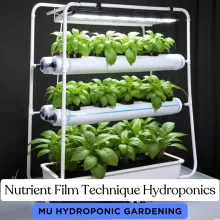
Hybrid hydroponic systems integrate various soilless growing methods to create a synergistic environment for plant cultivation. By combining techniques such as Nutrient Film Technique (NFT), Deep Water Culture (DWC), aeroponics, and others, these systems address the limitations of single-technique approaches and provide numerous advantages over conventional farming methods.
The core principle behind hybrid hydroponics is the strategic combination of different growing techniques to leverage their individual strengths while mitigating their weaknesses. For instance, NFT excels in nutrient delivery but may struggle with oxygenation, while DWC provides excellent oxygenation but can be less efficient in nutrient distribution. By combining these methods, hybrid systems create an optimal growing environment that maximizes plant growth and yield.
Key Components and Technologies
Modern hybrid hydroponic systems incorporate a range of sophisticated components and technologies:
- Specialized growing containers designed to accommodate multiple cultivation techniques
- Advanced nutrient delivery systems that ensure precise and efficient distribution
- Optimized lighting solutions, often utilizing energy-efficient LED technology
- Climate control systems for maintaining ideal temperature, humidity, and CO2 levels
- Automated monitoring and control technologies, some incorporating AI and machine learning
- Integration with aquaponics, creating a symbiotic environment between plants and aquatic organisms
The incorporation of vertical farming techniques has further enhanced the efficiency of hybrid systems, allowing for increased crop density and optimized use of space. This is particularly valuable in urban environments where cultivation area is limited.
Applications and Versatility
The versatility of hybrid hydroponic systems makes them suitable for a wide range of applications:
- Commercial Agriculture: Large-scale operations benefit from increased yields and resource efficiency.
- Urban Farming: Hybrid systems enable food production in densely populated areas with limited space.
- Home Gardening: Compact hybrid setups allow enthusiasts to grow fresh produce year-round.
- Specialized Crop Cultivation: These systems are ideal for high-value crops like medicinal plants or exotic fruits.
- Research and Education: Hybrid hydroponics provide controlled environments for agricultural studies.
- Food Security Initiatives: They offer solutions for regions with harsh climates or limited arable land.
- Space Exploration: NASA and other space agencies are researching hybrid hydroponics for potential use in extraterrestrial farming.
Benefits and Advantages
Hybrid hydroponic systems offer numerous benefits over traditional agriculture:
- Enhanced Nutrient Uptake: The combination of techniques ensures optimal nutrient delivery and absorption.
- Improved Water Efficiency: These systems use up to 90% less water than conventional farming methods.
- Year-Round Cultivation: Controlled environments allow for continuous production regardless of external weather conditions.
- Increased Crop Yield and Quality: Many crops grown in hybrid systems show higher yields and nutritional value.
- Reduced Environmental Impact: Minimal land use and decreased need for pesticides lower the ecological footprint.
- Adaptability: Hybrid systems can be customized for various crops and environmental conditions.
Economic Implications
The economic potential of hybrid hydroponic systems is significant. Market trends show robust growth in the hydroponics sector, with the global market expected to reach $16.6 billion by 2025, according to a report by Grand View Research. While initial investments in hybrid systems can be substantial, long-term savings on water, labor, and land often result in favorable returns on investment.
Moreover, the expansion of hybrid hydroponic agriculture is creating new job opportunities and industries. From system design and maintenance to crop specialization and urban agriculture consulting, this sector is generating a range of skilled employment options.
Environmental Impact
Hybrid hydroponic systems generally have a lower environmental impact compared to traditional agriculture:
- Water Conservation: They use significantly less water than soil-based farming.
- Reduced Carbon Footprint: Localized production decreases transportation needs and associated emissions.
- Land Use Efficiency: Vertical integration allows for high productivity in small spaces.
- Pesticide Reduction: Controlled environments minimize the need for chemical pest control.
In urban settings, these systems offer opportunities for local food production with minimal ecological disruption, potentially transforming unused spaces into productive green areas.
Challenges and Considerations
Despite their potential, hybrid hydroponic systems face several challenges:
- High Initial Costs: Setting up a sophisticated hybrid system requires significant upfront investment.
- Technical Expertise: Operating these systems effectively demands specialized knowledge and skills.
- Energy Consumption: While LED lighting has improved efficiency, energy use remains a concern.
- System Complexity: Balancing multiple techniques can be challenging and requires careful management.
- Regulatory Hurdles: Some regions have yet to develop appropriate regulations for these novel farming methods.
- Limited Crop Variety: While improving, not all crops are suitable for hydroponic cultivation.
Future Outlook
The future of hybrid hydroponics looks promising, with ongoing technological advancements and increasing global interest. Innovations in AI-driven monitoring systems, renewable energy integration, and nutrient formulation are continually enhancing the efficiency and sustainability of these systems.
As climate change and population growth put increasing pressure on traditional agriculture, hybrid hydroponic systems are poised to play a crucial role in ensuring food security. Their ability to produce high yields in controlled environments, independent of external climate conditions, makes them a valuable tool in adapting to changing global conditions.
Research into specialized applications, such as desert agriculture and even extraterrestrial farming, is expanding the potential of these systems. NASA’s ongoing studies into hybrid hydroponics for space missions highlight the adaptability and future potential of this technology.
Conclusion
Hybrid hydroponic systems represent a significant advancement in agricultural technology, offering a powerful tool for sustainable, efficient, and adaptable food production. By combining the strengths of various hydroponic techniques and integrating cutting-edge technologies, these systems address many of the challenges facing modern agriculture.
While challenges such as high initial costs and technical complexity remain, the benefits of increased yield, resource efficiency, and environmental sustainability make hybrid hydroponics an attractive option for the future of farming. As global challenges in food security and environmental sustainability grow, the role of hybrid hydroponic systems in shaping the future of agriculture becomes increasingly important.
As we move forward, continued research, investment, and policy support will be crucial in realizing the full potential of hybrid hydroponic systems. With ongoing advancements and increasing adoption, these innovative systems have the potential to revolutionize agriculture, contributing significantly to sustainable food production in the 21st century and beyond.
#1 Recommended Hydroponic Smart Kit | #2 Recommended Hydroponic Smart Kit |
| | |
Summary and FAQs
What exactly is a Hybrid Hydroponic System, and how does it differ from traditional hydroponics?
A Hybrid Hydroponic System combines multiple soilless cultivation techniques to optimize plant growth. Unlike traditional hydroponics that typically uses a single method, hybrid systems integrate various approaches such as Nutrient Film Technique (NFT), Deep Water Culture (DWC), and aeroponics. This combination allows for the advantages of each technique to be leveraged while mitigating their individual limitations, resulting in a more efficient and flexible growing system.
What are the main benefits of using a Hybrid Hydroponic System?
The main benefits include:
- Enhanced nutrient uptake and distribution
- Improved water efficiency (up to 90% less water use than traditional farming)
- Year-round cultivation capabilities
- Increased crop yields and quality
- Reduced environmental impact
- Adaptability to various crops and environments
- Space efficiency, especially when combined with vertical farming techniques
Are Hybrid Hydroponic Systems suitable for home gardeners, or are they only for commercial use?
While Hybrid Hydroponic Systems are often used in commercial agriculture, they can be scaled down for home use. Many companies now offer compact hybrid systems designed for home gardeners, allowing enthusiasts to grow fresh produce year-round in limited spaces. However, home systems may be simpler and combine fewer techniques than large-scale commercial setups.
What are the main challenges or downsides of implementing a Hybrid Hydroponic System?
The main challenges include:
- High initial setup costs
- Requirement for technical knowledge and expertise
- Complexity in balancing multiple techniques
- Potential for higher energy consumption, especially in lighting and climate control
- Limited crop variety compared to traditional soil-based farming
- Possible regulatory hurdles in some regions
How do Hybrid Hydroponic Systems contribute to sustainable agriculture and food security?
Hybrid Hydroponic Systems contribute to sustainable agriculture and food security in several ways:
- They use significantly less water than traditional farming methods
- They can be implemented in urban areas, reducing transportation needs and associated emissions
- The controlled environment reduces the need for pesticides
- They allow for year-round production regardless of external climate conditions
- Their high productivity in small spaces can help meet growing food demands in areas with limited arable land
- They’re adaptable to harsh environments, potentially allowing food production in previously unsuitable areas
These systems offer a promising solution to many challenges facing modern agriculture, making them an important tool in ensuring sustainable food production for the future.