Nutrient Film Technique Hydroponics | Best Hydroponics
Nutrient Film Technique (NFT) hydroponics is an innovative soil-less growing method where plants are cultivated in shallow, inclined channels with a thin film of nutrient-rich water constantly flowing past their roots. Developed in the 1960s, NFT offers efficient nutrient uptake and root oxygenation, promoting optimal plant growth while minimizing water usage. Key components include grow channels, a nutrient reservoir, pumps, and monitoring equipment.
NFT systems can be scaled from small DIY setups to large commercial operations, offering advantages like water efficiency, space optimization, and precise nutrient control. However, challenges include technical knowledge requirements, initial setup costs, and susceptibility to system failures. Recent developments integrate IoT and AI technologies for improved monitoring and efficiency. While best suited for leafy greens and smaller plants, ongoing research aims to expand crop suitability. As urban agriculture grows in importance, NFT hydroponics presents a promising solution for sustainable food production in space-limited environments.
#1 Recommended Hydroponic Smart Kit | #2 Recommended Hydroponic Smart Kit |
 |  |
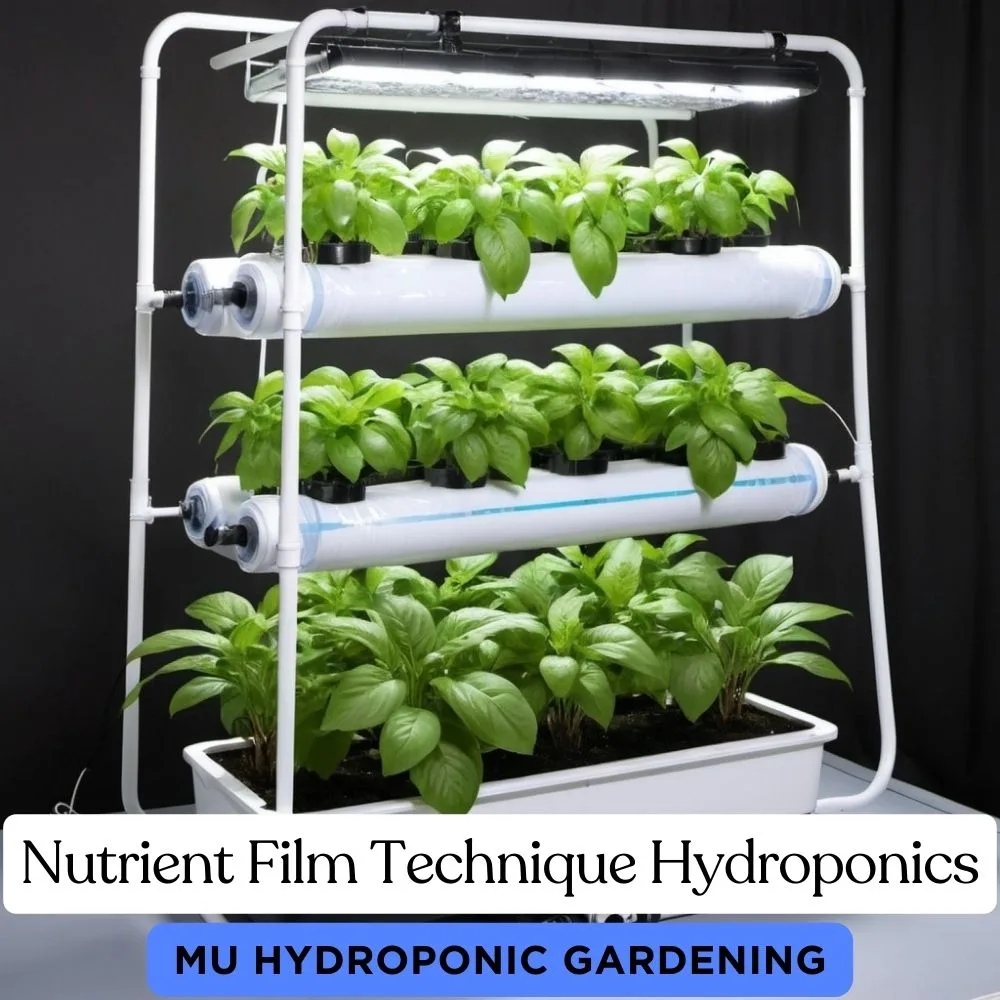
Nutrient Film Technique (NFT) Hydroponics: A Modern Approach to Sustainable Agriculture
In the ever-evolving landscape of agriculture, Nutrient Film Technique (NFT) hydroponics has emerged as a revolutionary method for growing plants without soil. This innovative technique, developed in the 1960s by Dr. Allen Cooper at the Glasshouse Crops Research Institute in England, has since gained popularity among commercial growers and hobbyists alike. NFT offers a unique approach to plant cultivation that maximizes efficiency while minimizing resource use.
Understanding NFT Hydroponics
NFT is a hydroponic system where plants grow in shallow, slightly inclined channels. A thin film of nutrient-rich water constantly flows past the roots, providing them with essential nutrients and oxygen. This method allows for efficient nutrient uptake and root oxygenation, promoting optimal plant growth.
The basic principle of NFT relies on a continuous flow of nutrient solution, typically circulated by a pump. The shallow stream exposes roots to both water and air, creating an ideal environment for nutrient absorption. This system is designed to maximize nutrient uptake while minimizing water usage, making it an environmentally friendly option for modern agriculture.
Components of an NFT System
A typical NFT system consists of several key components:
- Grow Channels: These are the main component of an NFT system. They are slightly inclined, shallow channels where plants are placed. The channels allow nutrient solution to flow past the plant roots.
- Nutrient Solution Reservoir: This tank or container holds the nutrient solution that circulates through the system. Regular monitoring and replenishment are necessary to maintain proper nutrient levels and pH balance.
- Pump and Plumbing: A pump circulates the nutrient solution from the reservoir through the grow channels. The plumbing system includes pipes or tubes for distribution and return of the solution.
- Control Systems: These manage various aspects such as nutrient solution flow rate, pH levels, and sometimes lighting and temperature. They can range from simple timers to sophisticated computerized systems.
- Lighting Systems (for indoor setups): Artificial lighting, often LED or fluorescent, provides the necessary light spectrum and intensity for plant growth in indoor NFT systems.
- Monitoring Equipment: Essential tools include pH meters, EC (electrical conductivity) meters, and thermometers to maintain optimal growing conditions.
Setting Up an NFT System
NFT systems can be set up on various scales, from small DIY projects to large commercial operations. Commercial NFT setups typically feature multiple parallel channels, automated nutrient delivery, and monitoring systems, often integrated with climate control for optimal growing conditions.
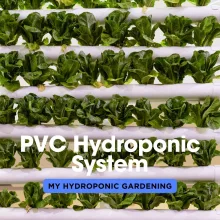
DIY NFT systems can be built using readily available materials like PVC pipes or guttering. These systems are cost-effective and can be customized to fit available space. Vertical NFT systems are particularly popular in urban environments or greenhouses where floor space is limited, maximizing space efficiency by stacking grow channels vertically.
When designing an NFT system, factors like available space, desired crop yield, and plant types must be considered. The layout should allow easy access for maintenance and harvesting while ensuring efficient use of space and resources. The slope of NFT channels is crucial for proper nutrient flow, typically ranging from 1-3% inclination.
Nutrient Solution Management
The heart of any NFT system is its nutrient solution. This solution contains a balanced mix of macro and micronutrients essential for plant growth. Proper management of the nutrient solution is critical for success in NFT hydroponics.
Maintaining the correct pH (usually 5.5-6.5) and EC levels is crucial for nutrient availability and uptake. Regular monitoring and adjustments are necessary to ensure optimal plant growth. The continuous circulation of the nutrient solution ensures fresh nutrients reach plant roots and prevents stagnation.
NFT systems are efficient in water use as the nutrient solution is recirculated. However, regular monitoring and replenishment of nutrients are necessary. Proper disposal or treatment of spent solution is important to minimize environmental impact.
While synthetic nutrients are more commonly used in NFT systems due to their solubility and consistency, organic nutrients can also be used. However, organic solutions may require additional filtration and more frequent system cleaning to prevent clogging.
Advantages of NFT Hydroponics
NFT offers several advantages over traditional soil-based growing methods:
- Water Efficiency: NFT systems use significantly less water than conventional farming, as water is recirculated.
- Space Efficiency: Plants can be grown closer together, and vertical systems allow for maximization of space.
- Nutrient Control: Precise control over nutrient delivery allows for optimized plant growth.
- Reduced Pest and Disease Issues: The absence of soil minimizes many common pest and disease problems.
- Year-Round Production: With controlled environments, NFT systems can produce crops year-round.
- Faster Growth Rates: Plants often grow faster in NFT systems due to optimal nutrient availability.
- Environmentally Friendly: NFT reduces water consumption, minimizes nutrient runoff, and can be used in areas with poor soil quality.
Challenges and Downsides
Despite its many advantages, NFT hydroponics does come with some challenges:
- Technical Knowledge Required: Successful NFT farming requires understanding of plant nutrition, water chemistry, and system maintenance.
- Initial Setup Costs: The initial investment for an NFT system can be higher than traditional soil-based methods.
- Dependence on Electricity: A constant power supply is crucial for pump operation. Power outages can quickly lead to crop loss.
- Risk of System Failures: Issues like pump failures or blocked channels can rapidly affect plant health.
- Limited Root Space: The shallow channels in NFT systems may not be suitable for all plant types, particularly those with extensive root systems.
- Susceptibility to Heat: In hot climates, the nutrient solution can heat up quickly, potentially damaging roots.
- Algae Growth: The constant moisture and nutrient availability can promote algae growth, requiring regular cleaning.
Recent Developments and Future Prospects
Recent advancements in NFT hydroponics include the integration of IoT (Internet of Things) technology for remote monitoring and control, the development of more energy-efficient pumps and lighting systems, and the use of AI for optimizing nutrient delivery and environmental conditions.
Research is ongoing to expand the range of crops suitable for NFT systems and to improve system designs for even greater efficiency. There’s also a growing interest in combining NFT with other sustainable practices, such as aquaponics or the use of renewable energy sources.
As urban populations continue to grow and arable land becomes scarcer, NFT hydroponics presents a viable solution for sustainable urban agriculture. Its ability to produce high yields in small spaces makes it particularly attractive for rooftop gardens and indoor farming operations.
Conclusion
Nutrient Film Technique hydroponics represents a significant advancement in agricultural technology. While it comes with its own set of challenges, the benefits of water efficiency, space optimization, and precise control over growing conditions make it an attractive option for both commercial growers and hobbyists. As technology continues to evolve and our understanding of plant biology deepens, NFT systems are likely to become even more efficient and widespread, playing a crucial role in the future of sustainable agriculture.
#1 Recommended Hydroponic Smart Kit | #2 Recommended Hydroponic Smart Kit |
| | |
Summary and FAQs
What types of plants are best suited for NFT hydroponics?
NFT systems are ideal for leafy greens, herbs, and smaller fruiting plants. Crops like lettuce, spinach, kale, basil, and strawberries thrive in NFT systems. However, larger plants with extensive root systems or heavy fruits (like tomatoes or cucumbers) may require additional support and are often better suited to other hydroponic methods.
How often should I change the nutrient solution in an NFT system?
While the nutrient solution is continuously recirculated in NFT systems, it should be completely replaced every 2-3 weeks, depending on plant uptake and water quality. However, you should top up the solution and adjust pH and EC levels more frequently, typically every few days. Regular monitoring is crucial to maintain optimal nutrient concentrations.
What are the main challenges in maintaining an NFT system?
The primary challenges include:
- Maintaining consistent nutrient levels and pH balance
- Preventing and addressing pump failures or clogs in the channels
- Managing potential algae growth
- Ensuring proper oxygenation of the nutrient solution
- Monitoring and controlling water temperature, especially in warmer climates Regular system checks and a good understanding of plant nutrition are key to overcoming these challenges.
How does the energy efficiency of NFT compare to other hydroponic methods?
NFT systems are generally considered energy-efficient compared to some other hydroponic methods. They use less water and require smaller pumps than deep water culture (DWC) systems. However, they do require constant pump operation, which consumes electricity. The overall energy efficiency can be improved by using energy-efficient pumps, LED lighting for indoor setups, and potentially integrating renewable energy sources.
Can NFT hydroponics be used for large-scale commercial farming?
- Yes, NFT can be scaled up for commercial use and is indeed used in many large-scale operations. Commercial NFT systems often feature multiple parallel channels, automated nutrient delivery and monitoring systems, and are integrated with climate control for optimal growing conditions. However, for very large operations, some growers prefer other hydroponic methods like DWC or vertical farming techniques, depending on the specific crops and local conditions. The choice often depends on factors like initial investment costs, crop type, available space, and local climate.