Deep Water Culture Hydroponics | Best Hydroponics
Deep Water Culture (DWC) hydroponics is an innovative soil-free gardening method that suspends plant roots directly in oxygenated, nutrient-rich water. This system offers numerous advantages, including faster growth rates, higher yields, and efficient use of water and space. Key components of a DWC setup include a reservoir, net pots, air stones, and proper lighting. Successful DWC gardening requires careful management of the nutrient solution, monitoring of pH and EC levels, and regular maintenance.
While challenges like equipment failure and algae growth exist, the benefits often outweigh these issues. DWC systems are scalable, making them suitable for both home gardeners and commercial operations. The future of DWC looks promising, with emerging technologies enhancing efficiency and control. As interest in sustainable and space-efficient gardening grows, DWC hydroponics continues to gain popularity among hobbyists and professional growers alike, offering exciting possibilities for the future of agriculture.
#1 Recommended Hydroponic Smart Kit | #2 Recommended Hydroponic Smart Kit |
 |  |
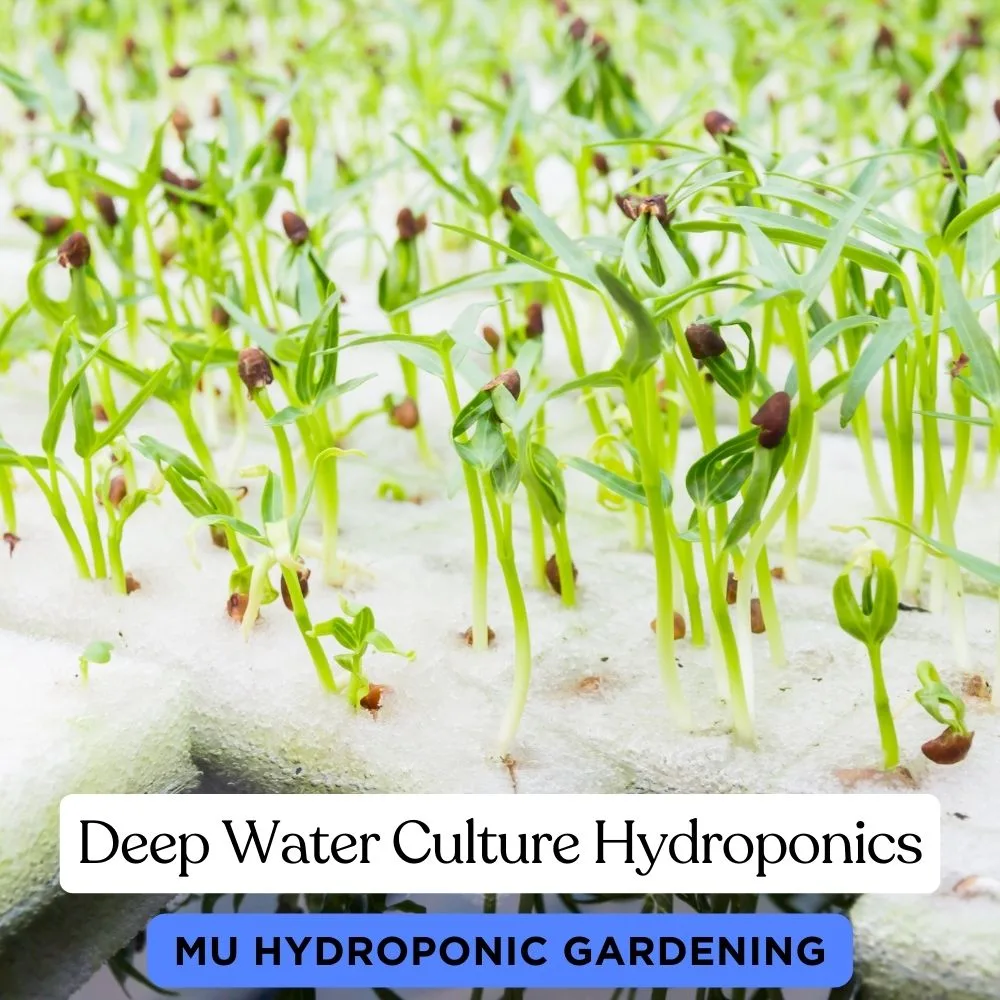
Deep Water Culture Hydroponics: A Comprehensive Guide
Deep Water Culture (DWC) hydroponics has revolutionized indoor gardening, offering a soil-free method of growing plants that maximizes efficiency and yield. This innovative technique involves suspending plant roots directly in a nutrient-rich, oxygenated water solution, providing an optimal environment for rapid growth and development.
Rising Popularity and Versatility
The popularity of DWC systems has surged in recent years, driven by advancements in technology and a growing interest in sustainable, space-efficient gardening methods. From hobbyist growers to large-scale commercial operations, DWC has proven its versatility and effectiveness across various scales.
Essential Components of a DWC System
At its core, a DWC system consists of several key components. The reservoir, typically a light-proof container, holds the nutrient solution. Net pots, filled with a growing medium like clay pebbles or rockwool, support the plants above the water line. Air stones connected to air pumps ensure constant oxygenation of the nutrient solution, crucial for root health and nutrient uptake. In larger setups, floating rafts support multiple plants, allowing for efficient use of space.
Lighting Considerations for DWC
Proper lighting is essential in DWC systems, especially for indoor setups. While natural light can be utilized, many growers opt for artificial lighting to ensure consistent, year-round growth. LED technology has become increasingly popular due to its energy efficiency and ability to provide specific light spectrums tailored to different growth stages. However, traditional options like fluorescent and HID lights remain viable choices, each with its own set of advantages.
Setting Up Your First DWC System
Setting up a DWC system requires careful planning and execution. Beginners often start with small, single-plant systems before scaling up. Commercial kits are available, offering a streamlined setup process, but many enthusiasts prefer the customization and cost-effectiveness of DIY setups. Regardless of the approach, it’s crucial to ensure all components are correctly installed and functioning before introducing plants.
Nutrient Solution Management
One of the most critical aspects of DWC hydroponics is nutrient solution management. The nutrient solution serves as the lifeline for plants, providing all essential elements for growth. Regular monitoring and adjustment of pH levels (typically between 5.5 and 6.5) and electrical conductivity (EC) are necessary to maintain optimal growing conditions. Advanced growers often tailor nutrient solutions to specific plant varieties and growth stages, maximizing yield and quality.
Root Care in DWC Systems
Root care is another vital consideration in DWC systems. The constant submersion of roots in water creates a unique environment that, while nutrient-rich, can be prone to issues like root rot if not properly managed. Adequate oxygenation through air stones is crucial, as is maintaining appropriate water temperature. Regular inspection of roots for discoloration or sliminess helps catch potential problems early.
Plant Management and Variety Selection
Plant management in DWC systems involves selecting suitable varieties, implementing proper support structures, and employing appropriate pruning and training techniques. While leafy greens and herbs are particularly well-suited to DWC, many fruiting plants like tomatoes and peppers can also thrive with proper care. Some growers have even successfully adapted root crops for DWC cultivation, showcasing the system’s versatility.
Maintenance and Monitoring
Maintenance and monitoring are ongoing tasks in DWC hydroponics. Daily checks of water levels, pH, and EC, along with weekly tasks like nutrient solution changes and equipment cleaning, are essential for system health. Many growers now incorporate automation and Internet of Things (IoT) technologies to streamline these processes, allowing for remote monitoring and control.
Challenges and Solutions in DWC
Despite its many advantages, DWC hydroponics is not without challenges. Equipment failures, particularly pump malfunctions, can quickly lead to plant stress or death if not promptly addressed. Algae growth, often caused by light exposure to the nutrient solution, can be problematic. Temperature fluctuations can stress plants and affect nutrient uptake. Pest management requires careful consideration, as many traditional pesticides are unsuitable for hydroponic use.
Benefits of DWC Hydroponics
However, the benefits of DWC often outweigh these challenges. The system offers significant water conservation, using up to 90% less water than traditional soil-based farming. Energy efficiency can be optimized through careful equipment selection and management. While initial setup costs may be higher than traditional gardening methods, DWC systems often lead to long-term savings in water, fertilizer, and potentially increased yields.
Scalability and Applications
The scalability of DWC systems makes them adaptable for various purposes, from home gardens to commercial operations. In recent years, there’s been growing interest in using DWC for urban agriculture and food security initiatives. The system’s ability to produce fresh, high-quality produce in space-limited urban environments or regions with poor soil quality makes it a promising solution for future food production challenges.
The Future of DWC Hydroponics
Looking ahead, the future of DWC hydroponics appears bright. Emerging technologies are enhancing system efficiency and control. Innovations in LED lighting, sensor technology, and artificial intelligence are making DWC systems more productive and easier to manage. There’s also a growing focus on sustainable practices, including the use of renewable energy sources and biodegradable materials in system construction.
Conclusion
In conclusion, Deep Water Culture hydroponics represents a significant advancement in agricultural technology, offering a highly efficient and adaptable method of plant cultivation. While it requires careful management and can present unique challenges, the potential benefits in terms of yield, resource efficiency, and quality make it an attractive option for growers of all levels. As technology continues to evolve and our understanding of plant biology deepens, DWC systems are likely to play an increasingly important role in both small-scale and commercial agriculture.
Resources and Getting Started
For those interested in exploring DWC hydroponics, a wealth of resources is available, from online communities and forums to comprehensive guides and academic research. As with any new growing method, success often comes through experimentation, careful observation, and a willingness to learn and adapt. Whether you’re a hobbyist looking to grow fresh herbs in your kitchen or a commercial grower seeking to optimize production, DWC hydroponics offers exciting possibilities for the future of agriculture.
#1 Recommended Hydroponic Smart Kit | #2 Recommended Hydroponic Smart Kit |
| | |
Summary and FAQs
What are the main advantages of Deep Water Culture (DWC) hydroponics over traditional soil gardening?
A: DWC hydroponics offers several advantages:
- Faster plant growth and higher yields due to direct access to nutrients
- Significant water conservation (up to 90% less water usage)
- Reduced risk of soil-borne diseases and pests
- More efficient use of space, especially in vertical setups
- Greater control over nutrient delivery and growing conditions
- Potential for year-round cultivation, especially in indoor setups
How often should I change the nutrient solution in a DWC system?
The frequency of nutrient solution changes depends on several factors, including the size of your system, plant types, and growth stage. Generally, for small to medium-sized systems:
- Change the solution completely every 1-2 weeks
- Top up with fresh water between changes as needed
- Monitor EC (Electrical Conductivity) and pH levels daily, adjusting as necessary
- For larger commercial systems, a continuous flow setup might be used, reducing the need for complete changes
What are common problems in DWC systems and how can they be prevented?
Common problems and prevention methods include:
- Root rot: Ensure proper oxygenation with air stones and maintain clean conditions
- Algae growth: Use light-proof containers and cover any exposed nutrient solution
- Nutrient imbalances: Regularly monitor and adjust pH and EC levels
- Equipment failure: Perform routine maintenance and have backup systems for critical components like air pumps
- Temperature fluctuations: Use water chillers or heaters to maintain consistent temperatures
Which plants grow best in DWC systems?
While many plants can thrive in DWC systems, some are particularly well-suited:
- Leafy greens: Lettuce, spinach, kale
- Herbs: Basil, cilantro, mint
- Fruiting plants: Tomatoes, peppers, cucumbers (with proper support)
- Some root vegetables: Radishes, beets (in adapted systems)
Plants with shorter growth cycles and those that don’t require complex support structures tend to be easiest for beginners.
How do I get started with DWC hydroponics on a small scale?
To start with DWC hydroponics:
- Begin with a small, single-plant system to learn the basics
- Choose an easy-to-grow plant like lettuce or herbs
- Gather essential components: a container, air pump, air stone, net pot, and growing medium
- Purchase a quality hydroponic nutrient solution and pH testing kit
- Set up your system and cycle it for a few days before adding plants
- Monitor your system daily and keep detailed records
- Join online communities or local gardening groups for support and advice
As you gain experience, you can scale up or experiment with more complex setups and a wider variety of plants.