Energy Efficient Hydroponic Lighting | Best Hydroponics
Energy-efficient hydroponic lighting is revolutionizing sustainable agriculture. LED technology leads the way, offering customizable spectra, reduced heat emission, and up to 50% energy conversion efficiency. Smart lighting systems, integrating AI and IoT, optimize light usage based on plant needs and environmental conditions, resulting in increased yields and reduced energy consumption. Solar-powered hydroponics presents a promising sustainable solution, though challenges in consistent lighting remain. Emerging technologies like quantum dots and OLEDs show potential for further efficiency gains.
However, high initial costs, technical complexity, and ongoing debates about optimal light recipes pose challenges. Governments are increasingly supporting the adoption of energy-efficient lighting through incentives and programs. Despite some hurdles, energy-efficient hydroponic lighting stands at the forefront of technological innovation in agriculture, promising to address food security challenges while minimizing environmental impact. Continued collaboration between stakeholders is crucial to realizing its full potential in creating a more sustainable and productive agricultural landscape.
#1 Recommended Hydroponic Smart Kit | #2 Recommended Hydroponic Smart Kit |
 |  |
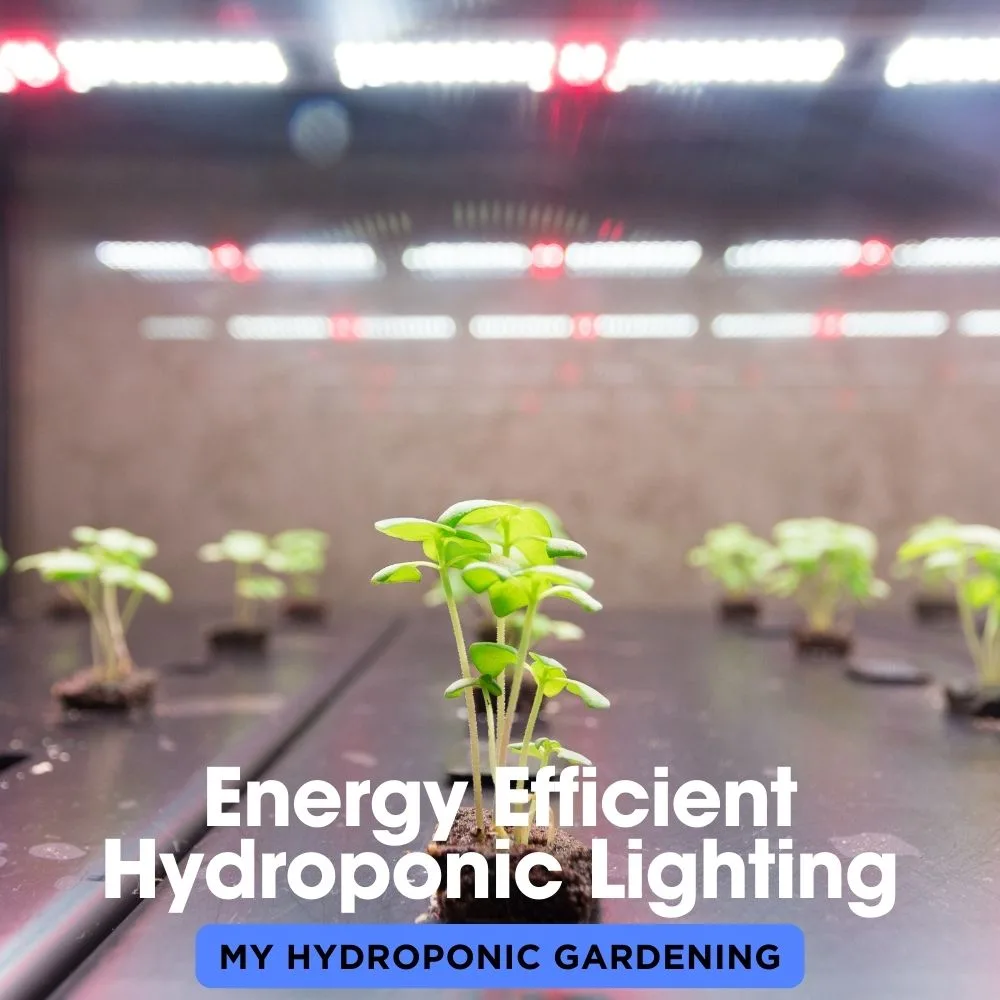
Energy-Efficient Hydroponic Lighting: Illuminating the Future of Sustainable Agriculture
In the rapidly evolving world of hydroponic agriculture, energy-efficient lighting has become a cornerstone of sustainable and productive growing practices. As we delve into 2024, the importance of optimizing light sources for plant growth while minimizing energy consumption has never been more critical. This article explores the latest advancements in energy-efficient hydroponic lighting, its benefits, and potential drawbacks.
Understanding the Fundamentals
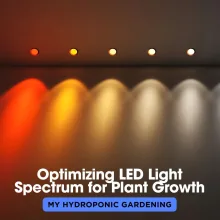
Hydroponic systems rely heavily on artificial lighting to facilitate photosynthesis, the process by which plants convert light energy into chemical energy essential for growth. The choice of lighting significantly impacts both crop yield and energy costs. Photosynthetically Active Radiation (PAR), which encompasses light wavelengths between 400-700 nanometers, is crucial for plant development. Within this spectrum, blue light (400-500 nm) promotes vegetative growth, while red light (600-700 nm) encourages flowering and fruiting.
Recent research has shown that manipulating light spectra can optimize plant growth and even enhance nutritional content in crops. For instance, a 2023 study published in the Journal of Plant Physiology demonstrated that adjusting the red to blue light ratio could increase antioxidant levels in leafy greens by up to 20%.
LED Technology: Leading the Charge
Light Emitting Diode (LED) technology has revolutionized hydroponic lighting. The latest LED grow lights offer unprecedented energy efficiency, with some models converting up to 50% of electrical energy into usable light for plants, compared to just 10-15% for traditional High-Intensity Discharge (HID) lamps.
Modern LED systems provide several advantages:
- Spectral Customization: Growers can fine-tune light spectra to match specific crop needs or growth stages.
- Heat Management: LEDs generate less heat, reducing cooling costs and allowing closer placement to plants.
- Longevity: Quality LED fixtures can last up to 50,000 hours, significantly longer than other lighting options.
- Dimming Capabilities: Many LED systems offer precise intensity control, further optimizing energy use.
However, the initial cost of LED systems remains a hurdle for some growers. While prices have decreased by approximately 30% since 2020, high-quality LED setups still require a substantial upfront investment.
Smart Lighting Systems: The Next Frontier
The integration of artificial intelligence and Internet of Things (IoT) technology has given rise to smart lighting systems that dynamically adjust to plant needs. These systems use sensors to monitor plant health, environmental conditions, and growth stages, automatically optimizing light intensity and spectra.
A 2023 case study from a commercial lettuce farm in the Netherlands reported a 15% increase in yield and a 20% reduction in energy consumption after implementing a smart LED lighting system. The system utilized machine learning algorithms to predict optimal lighting conditions based on historical data and real-time sensor inputs.
Solar-Powered Hydroponics: A Sustainable Synergy
The combination of solar power and hydroponic lighting represents a significant step towards sustainable agriculture. Recent advancements in photovoltaic technology and energy storage have made solar-powered hydroponic systems increasingly viable.
A 2024 report by the International Renewable Energy Agency (IRENA) highlighted that the cost of solar panels has decreased by 82% since 2010, making solar-powered hydroponics more accessible. However, challenges remain in ensuring consistent lighting during cloudy periods or at night, necessitating efficient energy storage solutions or hybrid systems that can switch to grid power when needed.
Emerging Technologies and Future Prospects
Several cutting-edge technologies are poised to further revolutionize energy-efficient hydroponic lighting:
- Quantum Dots: These nanoscale semiconductors can be tuned to emit specific wavelengths of light, potentially increasing energy efficiency by up to 20% compared to current LED technology.
- OLEDs (Organic LEDs): While still in early stages for horticultural applications, OLEDs offer the possibility of flexible, ultra-thin lighting panels that could be integrated directly into hydroponic systems.
- Plasma Lighting: Although not new, recent improvements in plasma lighting technology have increased its energy efficiency, making it a potential competitor to LED in some applications.
Challenges and Considerations
Despite the numerous advancements, several challenges persist in the realm of energy-efficient hydroponic lighting:
- Cost: While long-term savings are significant, the initial investment in advanced lighting systems can be prohibitive for small-scale growers.
- Complexity: Smart lighting systems often require technical expertise to set up and maintain, which may be a barrier for some users.
- Light Pollution: As indoor farming expands, concerns about light pollution from 24/7 grow operations are emerging, particularly in urban areas.
- Optimal Spectra Debate: While customizable spectra are advantageous, there’s ongoing debate about the most effective light recipes for different crops, highlighting the need for continued research.
- Energy Source: The overall sustainability of hydroponic lighting depends heavily on the source of electricity. Systems powered by fossil fuels may have a larger carbon footprint despite using energy-efficient lights.
Regulatory Landscape and Incentives
Governments and regulatory bodies are increasingly recognizing the importance of energy-efficient agriculture. In the United States, the Department of Energy’s Lighting Energy Efficiency in Horticulture (LEEH) program, launched in 2022, offers grants and tax incentives for growers adopting energy-efficient lighting solutions. Similarly, the European Union’s Green Deal includes provisions for promoting sustainable indoor farming practices, including energy-efficient lighting.
Conclusion
Energy-efficient hydroponic lighting stands at the intersection of technological innovation and sustainable agriculture. As we progress through 2024 and beyond, the continuous improvements in LED technology, smart systems, and renewable energy integration promise to make hydroponic farming more productive and environmentally friendly than ever before.
However, it’s crucial to approach these advancements with a balanced perspective. While the benefits are numerous, challenges such as high initial costs, technical complexity, and ongoing research needs must be addressed. As the technology matures and becomes more accessible, it has the potential to play a pivotal role in addressing global food security challenges while minimizing environmental impact.
The future of energy-efficient hydroponic lighting is bright, but it requires ongoing collaboration between researchers, manufacturers, growers, and policymakers to fully realize its potential in creating a more sustainable and productive agricultural landscape. food security for generations to come.
#1 Recommended Hydroponic Smart Kit | #2 Recommended Hydroponic Smart Kit |
| | |
Summary and FAQs
What is the most energy-efficient lighting option for hydroponic systems?
Currently, LED (Light Emitting Diode) technology is considered the most energy-efficient lighting option for hydroponic systems. LEDs can convert up to 50% of electrical energy into usable light for plants, significantly outperforming traditional lighting methods. They also offer benefits such as customizable spectra, lower heat emission, and longer lifespan, contributing to overall energy efficiency and reduced operational costs.
How do smart lighting systems contribute to energy efficiency in hydroponics?
Smart lighting systems contribute to energy efficiency by dynamically adjusting light intensity and spectra based on plant needs and environmental conditions. These systems use sensors and AI algorithms to optimize light usage, providing plants with the right amount and type of light at the right time. This targeted approach can lead to significant energy savings, with some commercial operations reporting up to 20% reduction in energy consumption after implementing smart LED lighting systems.
Are there any downsides to using energy-efficient lighting in hydroponic systems?
While energy-efficient lighting offers many benefits, there are some potential downsides:
Ongoing debate about optimal light spectra for different crops, which may lead to uncertainty in choosing the right system
Higher initial costs, especially for advanced LED and smart lighting systems
Complexity in setup and maintenance, which may require technical expertise
Potential light pollution issues, particularly for 24/7 grow operations in urban areas
How does solar power integrate with energy-efficient hydroponic lighting?
Solar power can be integrated with hydroponic lighting to create a more sustainable system. Recent advancements in photovoltaic technology and decreasing costs of solar panels have made solar-powered hydroponics increasingly viable. However, challenges remain in ensuring consistent lighting during low-light periods or at night. Solutions include using efficient energy storage systems or implementing hybrid systems that can switch to grid power when needed. This integration can significantly reduce the carbon footprint of hydroponic operations, especially in regions with abundant sunlight.
What future technologies are expected to further improve energy efficiency in hydroponic lighting?
Several emerging technologies show promise for improving energy efficiency in hydroponic lighting:
Improved plasma lighting: Recent advancements in plasma lighting technology have increased its energy efficiency, making it a potential competitor to LED in some applications. These technologies, along with continued improvements in LED and smart system designs, are expected to further enhance the energy efficiency of hydroponic lighting in the coming years.lue-rich spectrum during vegetative growth might allow you to shorten the light period by an hour or two compared to using general white light. However, always monitor your plants’ response and adjust accordingly.
Quantum dots: These nanoscale semiconductors can be tuned to emit specific wavelengths of light, potentially increasing energy efficiency by up to 20% compared to current LED technology.
OLEDs (Organic LEDs): While still in early stages for horticultural applications, OLEDs offer the possibility of flexible, ultra-thin lighting panels that could be integrated directly into hydroponic systems.