Growing Hydroponic Tomatoes | Best Hydroponics
Growing hydroponic tomatoes offers numerous advantages over traditional soil-based cultivation, including higher yields, water conservation, and year-round production. This soilless method uses nutrient-rich water and controlled environments to optimize plant growth. Setting up a hydroponic system involves choosing the right equipment, including grow lights, nutrient solutions, pH management tools, and water circulation systems. Selecting appropriate tomato varieties is crucial, with options ranging from compact cherry tomatoes for small spaces to larger indeterminate varieties for bigger setups.
While hydroponic tomato growing presents challenges such as initial costs, technical knowledge requirements, and potential system failures, many find the benefits outweigh the drawbacks. Regular maintenance, including nutrient monitoring, pH adjustment, and hand pollination, is essential for success. As interest in sustainable, local food production grows, hydroponic tomato cultivation continues to gain popularity among both hobbyists and commercial growers, offering an innovative solution to year-round tomato production regardless of outdoor conditions.
#1 Recommended Hydroponic Smart Kit | #2 Recommended Hydroponic Smart Kit |
 |  |
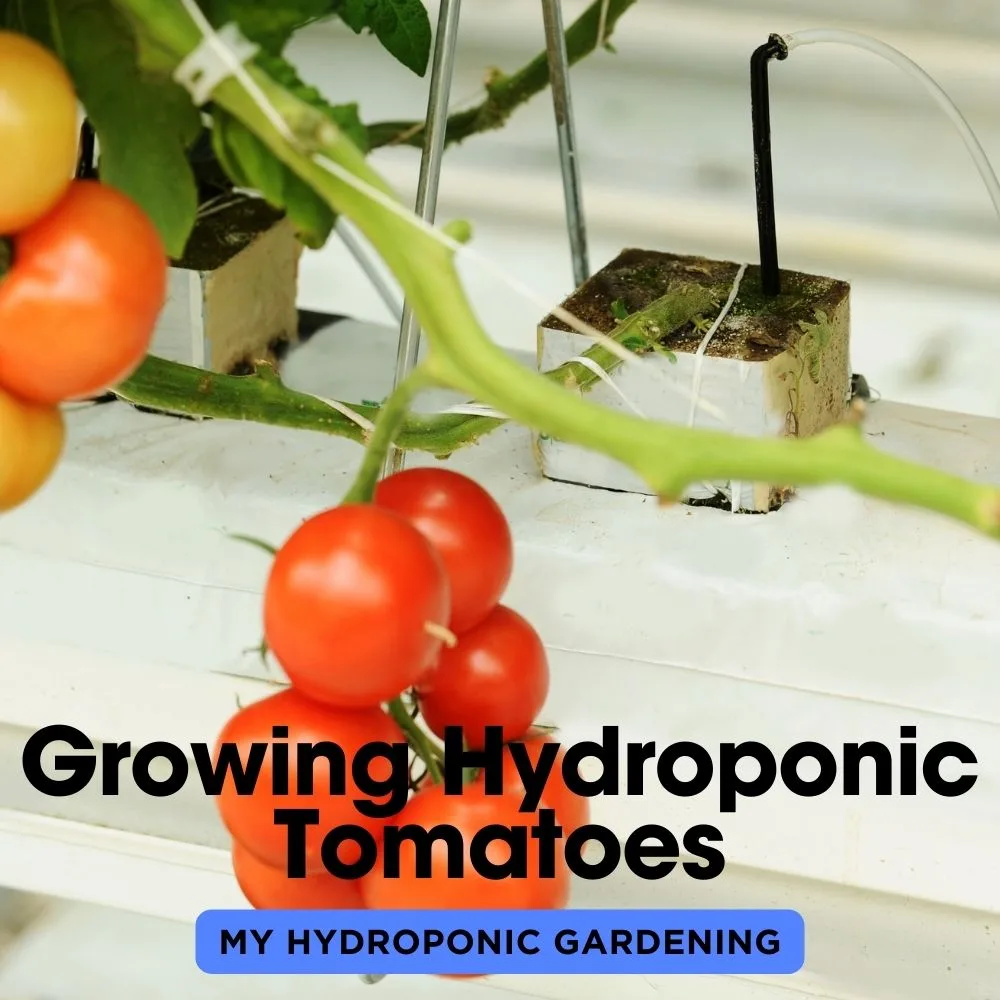
Growing Hydroponic Tomatoes: A Modern Approach to Year-Round Cultivation
Hydroponic tomato growing has revolutionized the way we think about agriculture, offering a solution to year-round cultivation regardless of outdoor conditions. This method of growing tomatoes without soil has gained popularity among both hobbyists and commercial growers due to its numerous advantages and the increasing demand for locally grown, fresh produce.
The Benefits of Hydroponic Tomatoes
Hydroponic systems offer several benefits over traditional soil-based cultivation. First and foremost, they typically yield higher harvests in a shorter time frame. This increased productivity is due to the precise control over nutrient delivery and environmental conditions, allowing plants to focus their energy on growth and fruit production rather than searching for nutrients or fighting off pests and diseases.
Water conservation is another significant advantage. Hydroponic systems use up to 90% less water than traditional farming methods, as water is recirculated and reused within the system. This makes hydroponics an attractive option in areas facing water scarcity or for environmentally conscious growers.
The controlled environment of hydroponic systems also reduces the risk of soil-borne diseases and pests, leading to healthier plants and reducing the need for pesticides. This results in cleaner, potentially organic produce, meeting the growing consumer demand for chemical-free foods.
Setting Up Your Hydroponic System
When setting up a hydroponic system for tomatoes, the first consideration is space. For apartment dwellers or those with limited space, compact systems like the AeroGarden or small DIY setups are ideal. These can fit on countertops or shelves and typically support a few plants, perfect for personal consumption.
Those with more space might opt for larger systems that can support multiple plants. Greenhouse setups allow for natural light supplementation and can house vertical or horizontal hydroponic systems, maximizing space efficiency.
DIY enthusiasts can create their own systems using readily available materials like PVC pipes, plastic containers, and aquarium pumps. These custom setups can be tailored to specific space requirements and budget constraints.
Essential Components of Hydroponic Systems
Regardless of the system size, several key components are essential for successful hydroponic tomato cultivation:
- Grow Lights: Tomatoes require a full spectrum of light for optimal growth. LED lights are often preferred for their energy efficiency and low heat output. They should provide a combination of red light (for flowering and fruiting), blue light (for leaf growth), and white light (for a balanced spectrum).
- Nutrient Solution: Unlike soil, which naturally contains nutrients, hydroponic systems require a carefully balanced nutrient solution. This solution provides all essential macro and micronutrients needed for plant growth. Both organic and synthetic nutrients can be used, each with its own advantages.
- pH Management: Maintaining the correct pH level (typically between 5.5 and 6.5 for tomatoes) is crucial for nutrient availability. Regular testing and adjustment using pH up or down solutions is necessary.
- Growing Medium: While soil isn’t used, most hydroponic systems employ an inert growing medium to support the plants. This could be rockwool, perlite, coconut coir, or specialized foam inserts.
- Water Pumps and Circulation Systems: Proper water circulation is vital to deliver nutrients and oxygen to plant roots. The type and size of pump will depend on your specific system.
Selecting the Right Tomato Varieties
Choosing the right tomato varieties is crucial for success in hydroponic systems. For small spaces, cherry tomatoes like ‘Sweet 100’ or ‘Tiny Tim’ are excellent choices due to their compact size and abundant fruit production.
For those wanting larger tomatoes without overwhelming their system, determinate varieties like Roma tomatoes work well. They grow to a predetermined height and produce all their fruit in a short period.
In larger setups, indeterminate varieties like Beefsteak or heirloom tomatoes can be grown. These require more space and support but can produce substantial fruits over a longer period.
When selecting varieties, also consider disease resistance. While hydroponic systems reduce the risk of soil-borne diseases, choosing cultivars resistant to common tomato ailments like Fusarium wilt, Verticillium wilt, and tomato mosaic virus can provide an extra layer of protection.
Maintenance and Care
Once your system is set up and your tomatoes are growing, regular maintenance is key to success. This includes monitoring and adjusting nutrient levels and pH, pruning plants to manage growth, and supporting the plants as they grow taller.
Pollination can be a challenge in indoor environments without natural pollinators. This can be overcome by gently shaking the plants to release pollen or using an electric toothbrush to vibrate the flowers.
Potential Downsides and Challenges
While hydroponic tomato growing offers many advantages, it’s important to be aware of potential challenges:
- Initial Cost: Setting up a hydroponic system can be more expensive than traditional gardening, especially for larger or more sophisticated systems.
- Technical Knowledge: Successful hydroponic growing requires understanding and managing various factors like nutrient balance, pH levels, and lighting. This learning curve can be steep for beginners.
- Energy Consumption: Indoor hydroponic systems rely on artificial lighting and pumps, which can lead to higher energy costs compared to outdoor growing.
- System Failures: Because plants rely entirely on the hydroponic system for nutrients and water, any equipment failure (like a pump breakdown) can quickly become critical if not addressed promptly.
- Limited Crop Diversity: While excellent for tomatoes, not all crops are well-suited to hydroponic systems, which may limit the variety of produce you can grow.
Despite these challenges, many growers find that the benefits of hydroponic tomato cultivation far outweigh the drawbacks. With proper planning, care, and maintenance, hydroponic systems can provide a steady supply of fresh, delicious tomatoes year-round, regardless of outdoor conditions.
As technology advances and more people become interested in sustainable, local food production, hydroponic tomato growing is likely to continue gaining popularity. Whether you’re a home gardener looking to grow a few plants on your kitchen counter or a commercial grower aiming to supply local markets, hydroponics offers an innovative solution to year-round tomato production.
#1 Recommended Hydroponic Smart Kit | #2 Recommended Hydroponic Smart Kit |
| | |
Summary and FAQs
What are the best tomato varieties for hydroponic growing?
The best varieties depend on your system size and goals. For small spaces, cherry tomatoes like ‘Sweet 100’ or ‘Tiny Tim’ are excellent choices. For medium-sized fruits, determinate varieties like Roma tomatoes work well. If you have a larger system, you can try indeterminate varieties like Beefsteak. Always consider disease-resistant cultivars to reduce potential problems.
How often should I change the nutrient solution in my hydroponic system?
The frequency of nutrient solution changes depends on your system size and the growth stage of your plants. Generally, it’s recommended to completely replace the nutrient solution every 2-3 weeks. However, you should monitor the nutrient levels and pH daily, topping up water as needed and adjusting the nutrient concentration or pH as required. Some advanced systems with larger reservoirs might go longer between full changes.
What lighting schedule should I use for hydroponic tomatoes?
Tomatoes typically need 14-16 hours of light daily. During the vegetative stage, 16 hours of light followed by 8 hours of darkness is ideal. Once the plant matures and begins fruiting, you can reduce this to 14-15 hours of light. Use full-spectrum LED grow lights that include red, blue, and white light for optimal growth.
How do I pollinate tomatoes in an indoor hydroponic system?
Without natural pollinators, you’ll need to hand-pollinate your tomatoes. This can be done in several ways:
- Gently shake the plants or individual flower trusses to release pollen.
- Use an electric toothbrush to vibrate the flowers, simulating the buzzing of bees.
- Use a small brush to transfer pollen between flowers. Pollinate every other day during flowering for best results.
What are the most common problems in hydroponic tomato growing and how can I prevent them?
Common problems include:
Blossom end rot: Often caused by calcium deficiency or uptake issues. Maintain consistent moisture and proper calcium levels in your nutrient solution. Regular monitoring, maintaining a clean system, and prompt addressing of any issues are key to preventing most problems.
Nutrient deficiencies: Prevent by regularly monitoring and adjusting nutrient levels.
pH imbalance: Check pH daily and adjust as needed to maintain levels between 5.5-6.5.
Root rot: Ensure proper oxygenation of the nutrient solution and maintain clean growing conditions.
Pests: While less common in indoor systems, monitor for pests and use appropriate control methods if needed.