Best Hydroponic Plants For Indoor Gardening | Best Hydroponics
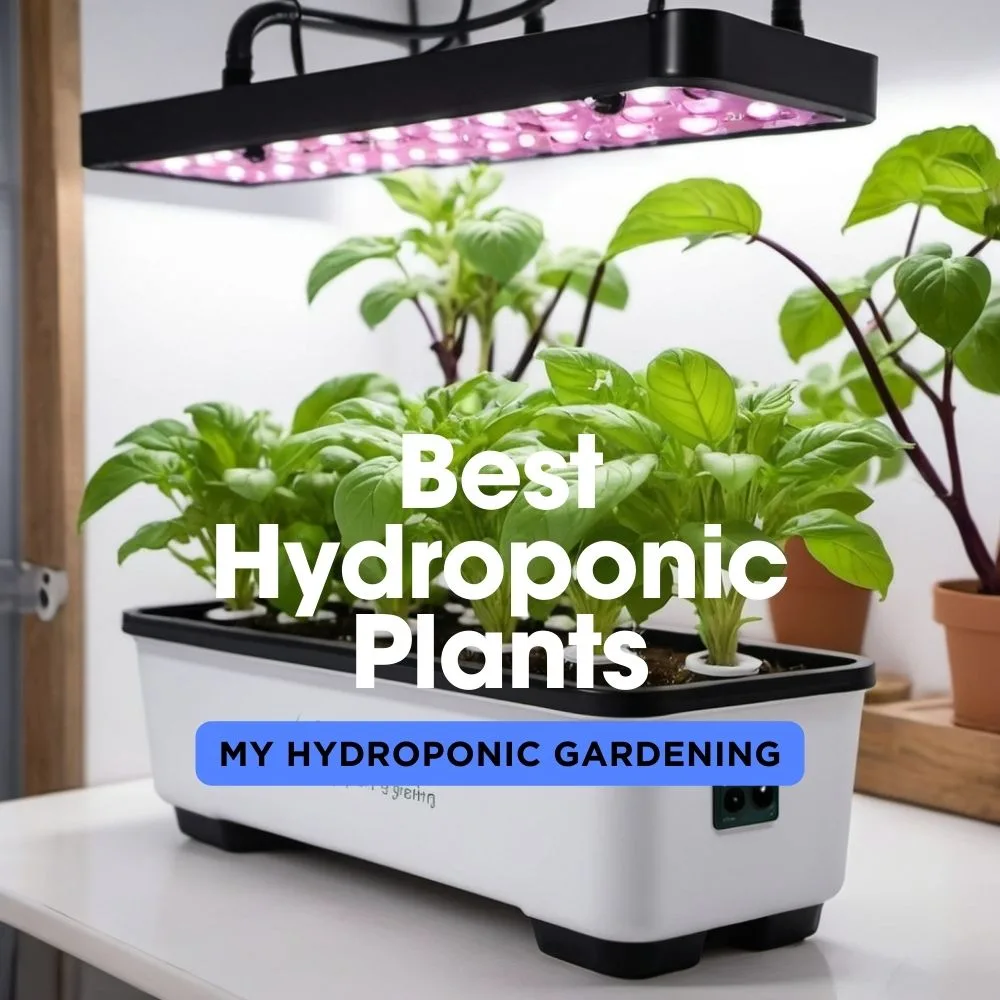
Indoor hydroponic gardening offers an innovative, soil-free method to grow plants year-round, using nutrient-rich water. This technique is ideal for urban dwellers and micro homesteaders, providing fresh produce regardless of outdoor conditions or space limitations. The best plants for hydroponic systems include leafy greens like lettuce and spinach, herbs such as basil and mint, and fruiting plants like tomatoes and peppers. Legumes, some root vegetables, and alliums also thrive in these systems.
Successful hydroponic gardening requires careful management of lighting, nutrients, pH balance, water quality, and air circulation. While initial setup costs can be high, long-term grocery savings and environmental benefits often offset this investment. Challenges include technical knowledge requirements and potential system failures. Despite these, hydroponic gardening’s ability to produce fresh, pesticide-free crops efficiently makes it an attractive option for many, potentially playing a significant role in sustainable urban food production.
#1 Recommended Hydroponic Smart Kit | #2 Recommended Hydroponic Smart Kit |
 |  |
Best Hydroponic Plants for Indoor Gardening: A Comprehensive Guide
Indoor hydroponic gardening has revolutionized the way we grow plants, offering a soil-free method that utilizes nutrient-rich water to cultivate a variety of crops year-round. This innovative technique has gained popularity among urban dwellers and micro homesteaders alike, providing an efficient solution for fresh produce regardless of outdoor conditions or space limitations.
Why Choose Hydroponic Gardening?
Hydroponic systems offer numerous advantages over traditional soil-based gardening. They use significantly less water, often recycling it within the system, making them an environmentally friendly option. The controlled environment allows for faster growth and higher yields, as nutrients are delivered directly to plant roots. Additionally, the absence of soil minimizes the risk of soil-borne diseases and pests, reducing the need for pesticides.
Best Plants for Hydroponic Indoor Gardening
- Leafy Greens:
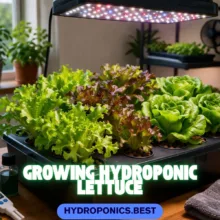
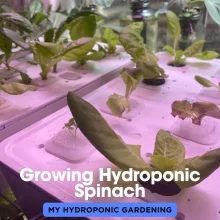
Leafy greens are the stars of hydroponic gardening. Lettuce, spinach, kale, and Swiss chard thrive in these systems, growing quickly and efficiently. These plants are perfect for continuous harvesting, allowing you to pick outer leaves while the plant continues to grow. Bok choy and mustard greens also perform exceptionally well, offering variety to your indoor garden. - Herbs:
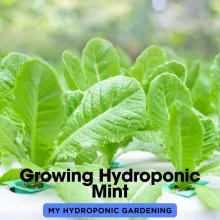
Herbs are another excellent choice for hydroponic systems. Basil, mint, parsley, cilantro, thyme, and oregano not only grow vigorously but also provide fresh flavors year-round. These plants are often expensive to buy fresh, making them cost-effective choices for hydroponic cultivation. Some growers even experiment with medicinal herbs like chamomile and lavender. - Fruiting Plants:
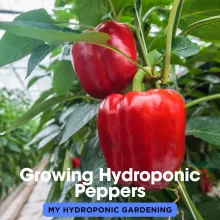
While slightly more challenging, fruiting plants can be successfully grown hydroponically. Determinate tomato varieties and various peppers (bell peppers, chili peppers) are popular choices. These plants require more attention to lighting and may need manual pollination, but the reward of fresh, homegrown produce is worth the effort. Strawberries also adapt well to hydroponic systems, offering a sweet treat throughout the year. - Legumes:
Peas and beans can yield impressive harvests in hydroponic setups. However, it’s crucial to choose the right varieties. Opt for dwarf or bush varieties of peas and beans, as they’re more manageable in indoor spaces. These plants are self-pollinating, making them easier to grow than some fruiting plants. - Root Vegetables:
While not as common, some root vegetables can be grown hydroponically. Beets and carrots are possible, though they require deep systems and careful management. Celery, which is technically a stem vegetable, grows exceptionally well in hydroponic environments. - Alliums:
Green onions adapt well to hydroponic systems, offering a quick harvest and multiple uses in cooking. They can be multi-sown in wider pods for a more efficient use of space.
Factors for Successful Indoor Hydroponic Gardening
To ensure the success of your hydroponic garden, several key factors need careful management:
- Lighting: Most plants require 14-16 hours of light daily. LED grow lights are energy-efficient and can be tailored to specific plant needs.
- Nutrient Management: Providing the right balance of macro and micronutrients is crucial. Pre-mixed hydroponic nutrients are available, or you can create custom blends.
- pH Balance: Maintain a pH between 5.5-6.5 for most plants to ensure optimal nutrient uptake.
- Water Quality and Temperature: Use filtered water and maintain temperatures between 65-75°F (18-24°C) for most plants.
- Air Circulation: Use oscillating fans to strengthen plants and prevent mold growth.
- Pest Management: While easier than outdoor gardening, indoor systems still require vigilance against pests.
Types of Hydroponic Systems
Several hydroponic systems are suitable for indoor use:
- Deep Water Culture (DWC): Plants are suspended in nutrient-rich water.
- Nutrient Film Technique (NFT): A thin film of nutrient solution flows over the roots.
- Ebb and Flow: The growing area is periodically flooded with nutrient solution.
- Aeroponics: Roots are misted with nutrient solution.
- Wick Systems: A wick draws up nutrients to the plant roots.
Commercial systems like AeroGarden and Rise Gardens offer user-friendly options for beginners, while DIY setups provide a cost-effective entry point for hands-on gardeners.
Economic Aspects and Environmental Impact
While initial setup costs for hydroponic systems can be significant, long-term savings on groceries often offset this investment. High-value herbs and out-of-season vegetables typically provide the best return on investment. Some growers even venture into small-scale commercial production, selling excess produce locally.
Environmentally, hydroponic gardening shines. It uses up to 90% less water than traditional gardening, reduces transportation-related carbon emissions by enabling local production, and typically requires fewer pesticides due to the controlled environment.
Challenges and Downsides
Despite its many benefits, hydroponic gardening comes with challenges:
- Initial Cost: Setting up a hydroponic system can be expensive, especially for larger setups or commercial systems.
- Technical Knowledge: Successful hydroponic gardening requires understanding of plant nutrition, pH balance, and system maintenance.
- Power Dependency: Most systems rely on electricity for pumps and lighting, making them vulnerable to power outages.
- Limited Root Vegetables: While possible, growing root vegetables hydroponically is more challenging and less efficient than leafy greens or herbs.
- Potential for System Failures: Equipment malfunctions can quickly lead to crop loss if not addressed promptly.
- Flavor Debates: Some argue that hydroponically grown produce, especially tomatoes, lack the flavor depth of soil-grown counterparts.
Conclusion
Indoor hydroponic gardening offers a blend of science, technology, and nature that can transform how we grow food in our homes. Its benefits range from personal satisfaction and improved nutrition to potential economic gains and environmental sustainability. While it comes with its own set of challenges, the ability to grow fresh, pesticide-free produce year-round makes it an attractive option for many.
As technology advances and more people discover its potential, indoor hydroponic gardening is likely to play an increasingly important role in our approach to food production and sustainable living. Whether you’re a urban dweller with limited space or a micro homesteader looking to expand your growing capabilities, hydroponic gardening offers an exciting and rewarding way to connect with nature and ensure food security.
#1 Recommended Hydroponic Smart Kit | #2 Recommended Hydroponic Smart Kit |
| | |
Summary and FAQs
What are the easiest plants to grow hydroponically for beginners?
The easiest plants for hydroponic beginners are typically leafy greens and herbs. Lettuce, spinach, and basil are excellent choices. These plants grow quickly, don’t require pollination, and are generally low-maintenance. They also adapt well to various hydroponic systems, making them ideal for those just starting out.
Can I grow tomatoes hydroponically indoors?
Yes, you can grow tomatoes hydroponically indoors. However, they require more attention than leafy greens. Choose determinate (bush) varieties for indoor growing as they’re more compact. Tomatoes need strong light, careful nutrient management, and often manual pollination. While more challenging, the reward of fresh, homegrown tomatoes makes it worthwhile for many hydroponic gardeners.
How do I prevent pest problems in my indoor hydroponic garden?
While hydroponic systems generally have fewer pest issues than outdoor gardens, they’re not immune. To prevent problems:
- Regularly inspect your plants for signs of pests.
- Maintain good air circulation with fans to discourage fungal growth.
- Keep your growing area clean and free of plant debris.
- If you introduce new plants, quarantine them first to ensure they’re pest-free.
- For minor infestations, consider using neem oil or insecticidal soaps, which are safe for hydroponic use.
What’s the best hydroponic system for growing a variety of plants?
For growing a variety of plants, a versatile system like Ebb and Flow or Deep Water Culture (DWC) is often best. These systems can accommodate different plant sizes and types. Commercial systems like AeroGarden or Rise Gardens are also good options as they’re designed to grow multiple plant types simultaneously. The best choice depends on your space, budget, and the specific plants you want to grow.
How often should I change the nutrient solution in my hydroponic system?
The frequency of nutrient solution changes depends on your system size, plant types, and growth stage. As a general rule:
- For small systems or fast-growing plants, change the solution every 1-2 weeks.
- For larger systems or slower-growing plants, you might change it every 2-3 weeks.
- Always monitor your plants and the EC (electrical conductivity) of your solution. If plants show signs of nutrient deficiency or the EC significantly drops, it’s time for a change.
- Some growers prefer to top up with fresh solution and nutrients as needed, doing a complete change less frequently. Remember, consistent monitoring is key to maintaining the right nutrient balance for your plants.